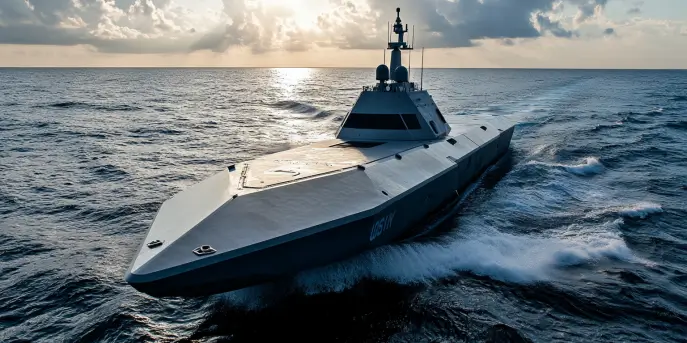


The Legendary A-10 Warthog: A Brief Overview
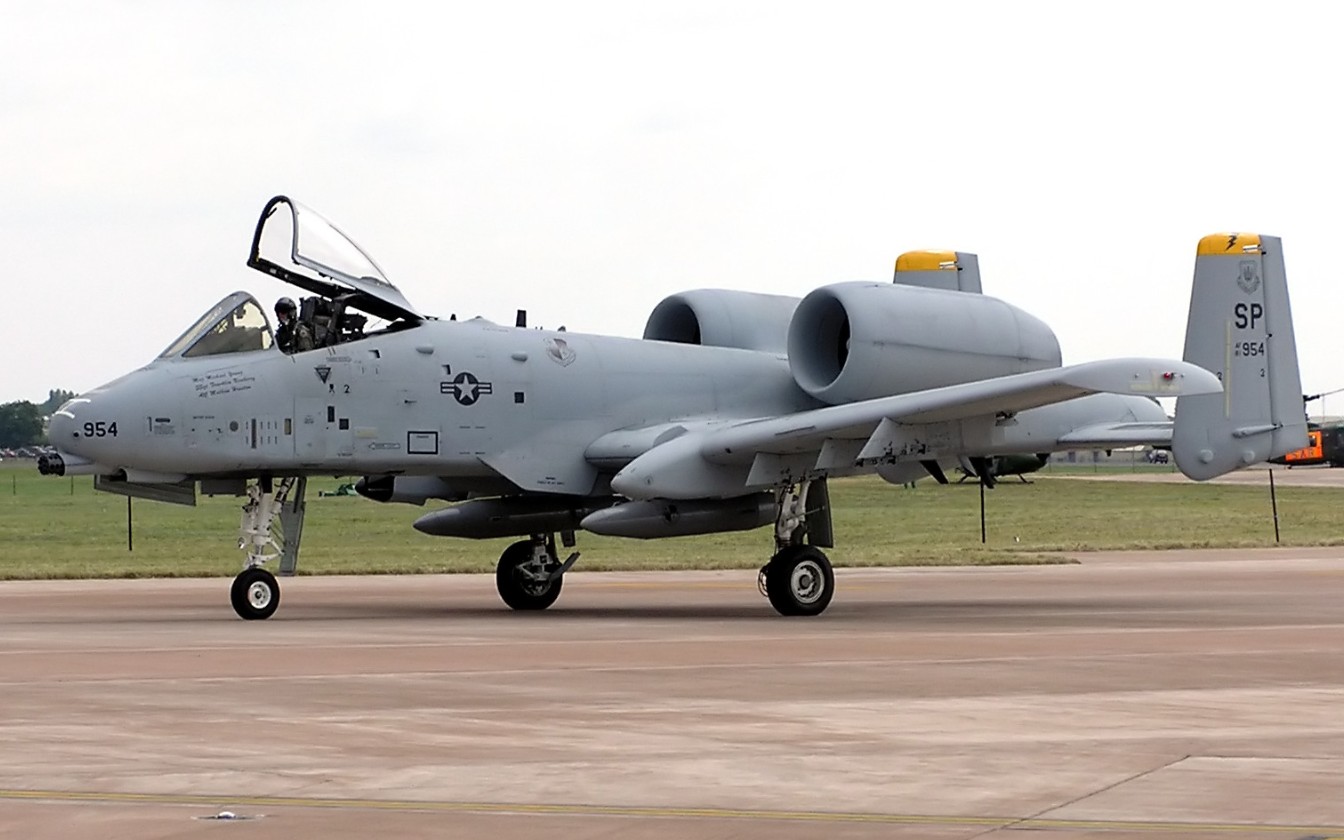
The A-10 Thunderbolt II, affectionately known as the Warthog, has been a staple of the U.S. Air Force since the 1970s. Renowned for its durability, firepower, and ground attack prowess, the A-10 has proved indispensable in various conflict zones worldwide. With its iconic GAU-8/A Avenger rotary cannon and robust airframe, it can provide close air support in the most challenging environments.
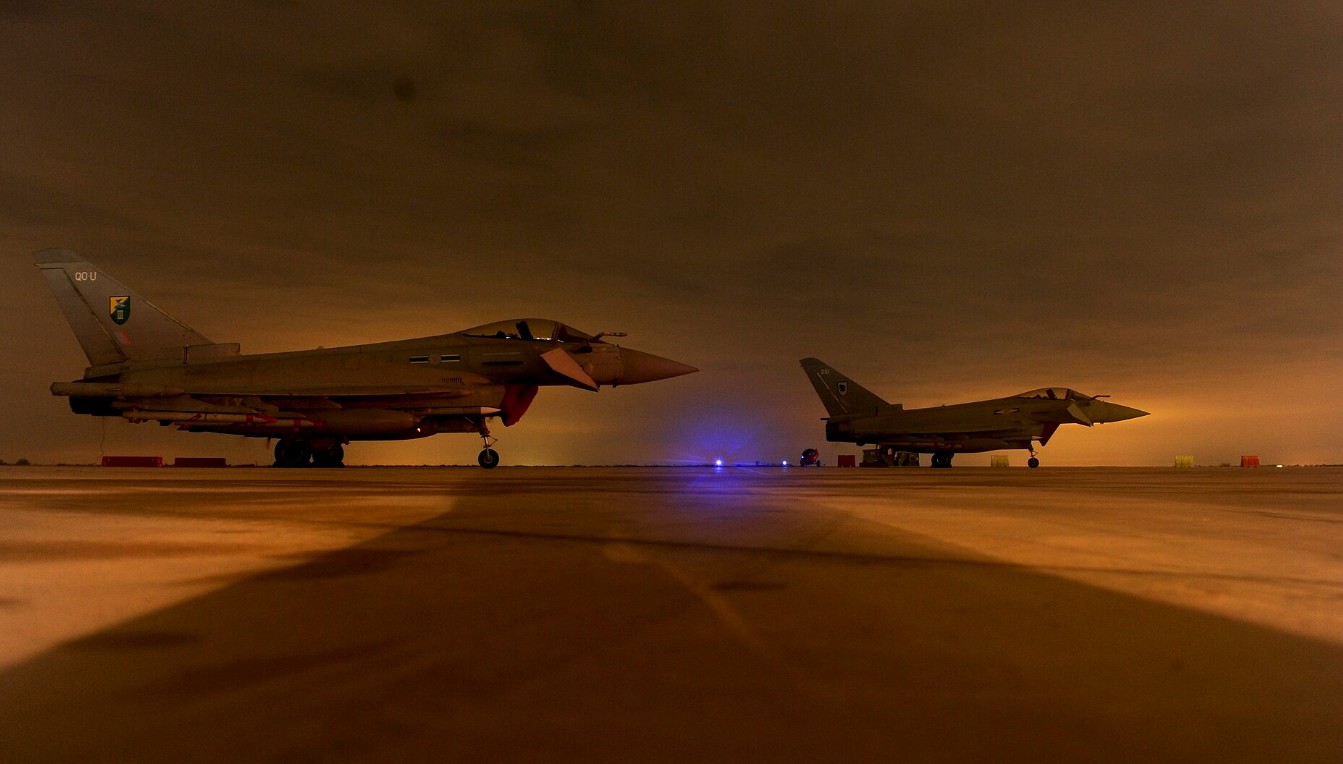
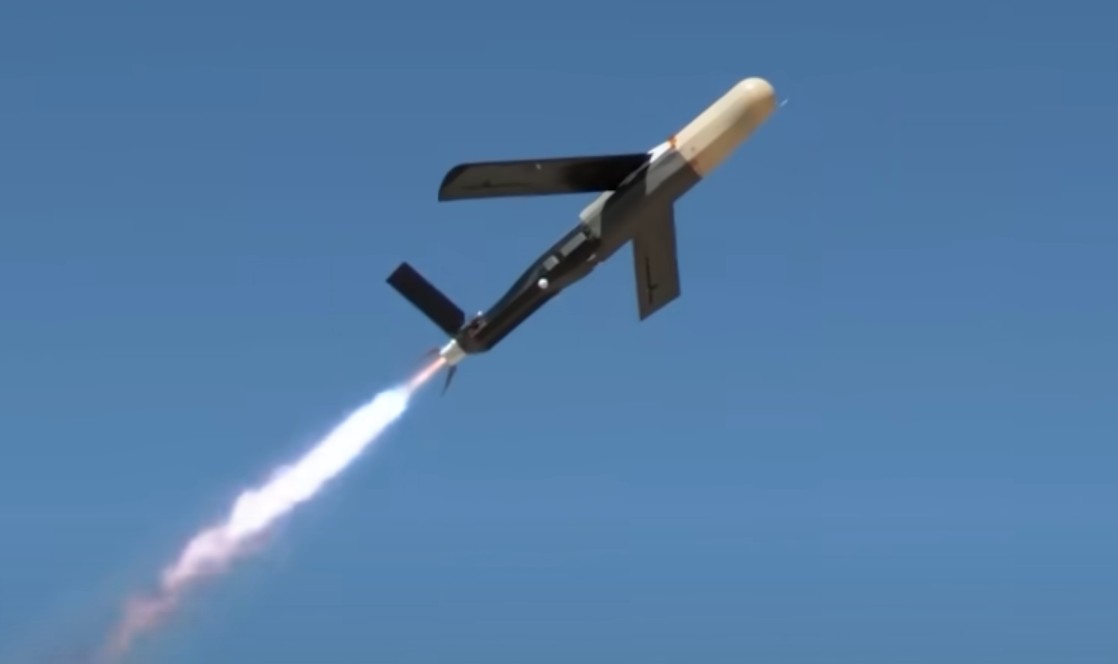
Stepping into the Future: New Drone-Killing Capabilities
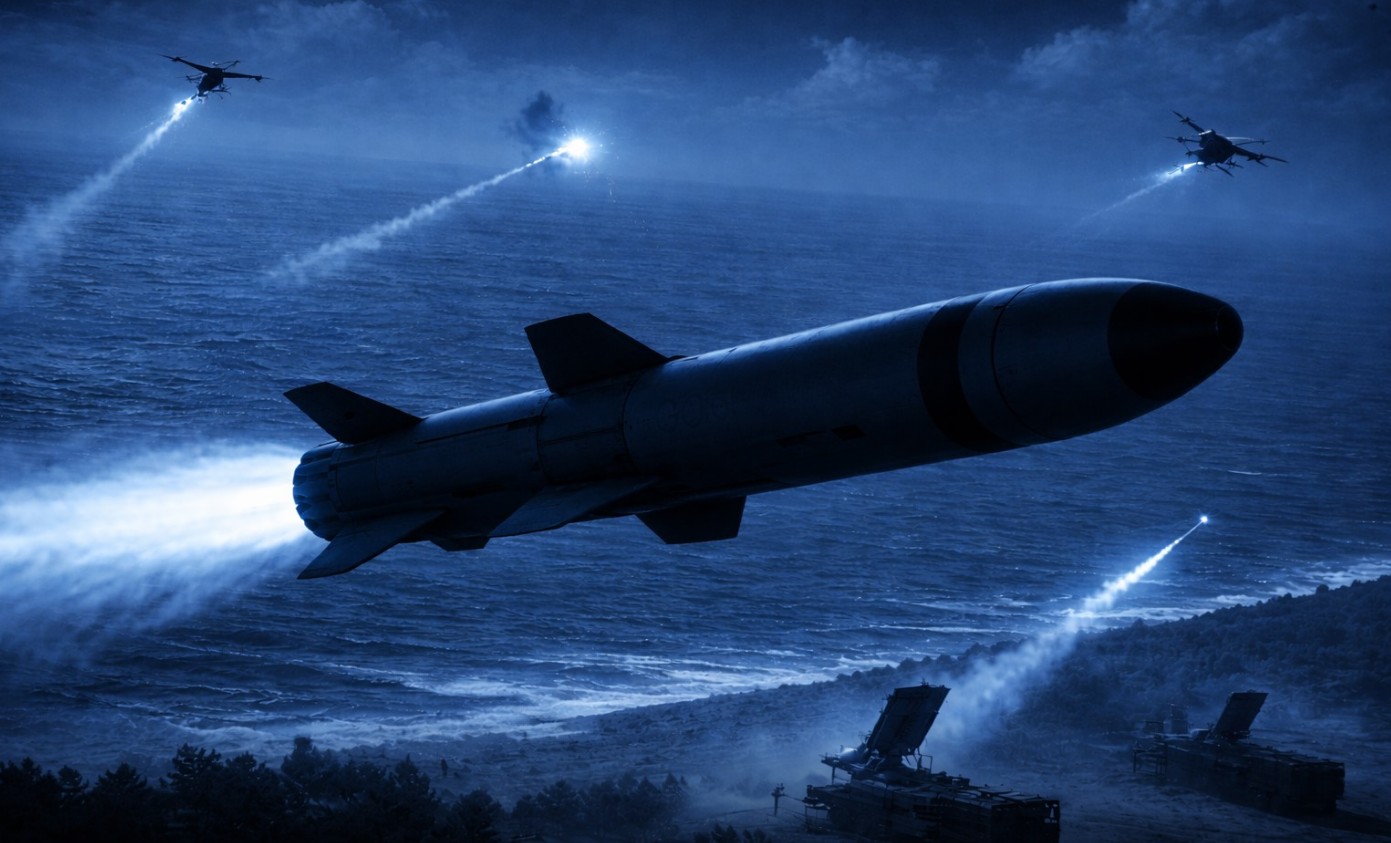
With the rise of drone technology in modern warfare, the A-10’s capabilities have evolved to meet new threats. The integration of advanced drone-killing options makes the Warthog even more formidable. These enhancements ensure that the A-10 remains relevant in addressing contemporary aerial threats, particularly against unmanned aerial vehicles (UAVs) and drones.
Advanced Radar Systems
One of the key upgrades to the A-10’s systems is the incorporation of advanced radar technology. This allows the aircraft to detect and lock onto smaller, faster-moving targets with greater precision. The improved radar systems enable the Warthog to track multiple drone targets simultaneously, enhancing its battlefield effectiveness.
New Weaponry
To complement its existing arsenal, the A-10 has been outfitted with sophisticated missile systems designed specifically for neutralizing drones. These include surface-to-air missiles with enhanced targeting capabilities and electronic warfare suites that can disrupt the control signals of hostile UAVs.
Improved Maneuverability and Response Time
The A-10’s design has always favored stability and toughness, but new upgrades have enhanced its agility. The airframe adjustments, coupled with advanced avionics, allow the A-10 to react quickly to emerging threats. This means shorter decision cycles and increased accuracy in engaging drones, making it a more responsive platform in dynamic combat scenarios.
| Feature | Specification |
|---|---|
| Engine | Two General Electric TF34-GE-100A turbofans |
| Radar | Advanced multi-target tracking radar |
| Missiles | Laser-guided and anti-drone missiles |
| Armament | 30mm GAU-8/A Avenger cannon, precision-guided munitions |
| Range | 800 miles (combat radius) |
The Tactical Edge
Equipped with these enhancements, the A-10 Warthog not only retains its reputation as a ground attack titan but also adds the critical ability to manage aerial threats. This dual capability transforms the Warthog into a versatile force on the modern battlefield, able to transition from ground assault to air defense seamlessly.
Enhanced Mission Flexibility
Given its rugged design and newly acquired technologies, the A-10 can adapt to various mission profiles. Whether requiring extensive loitering times for surveillance or rapid intervention during an aerial assault, the A-10 now offers strategic options that were previously unavailable. Its increased flexibility means it can support diverse military operations effectively.
The Role of Pilots and Technology
Pilots remain at the heart of the A-10’s operations, but the integration of new tech means that the skill set required is evolving. Today’s pilots are trained not only in traditional combat roles but also in advanced UAV interception techniques. This training ensures that the A-10’s operators can maximize the aircraft’s state-of-the-art systems and tactical adaptability.
Looking Ahead: Future Potential
As military technology continues to develop, so too will the capabilities of platforms like the A-10 Warthog. Future innovations may see further integrations of AI and machine learning to enhance autonomous targeting and identification functions. The adaptability of the A-10 ensures that it will remain a core component of aerial combat strategies for years to come.
In summary, the new drone-killing options enhance the combat effectiveness of the A-10 Warthog, making it an even more invaluable asset. Its blend of traditional firepower and modern technology secures its place as a linchpin of the Air Force’s attack aircraft fleet.