

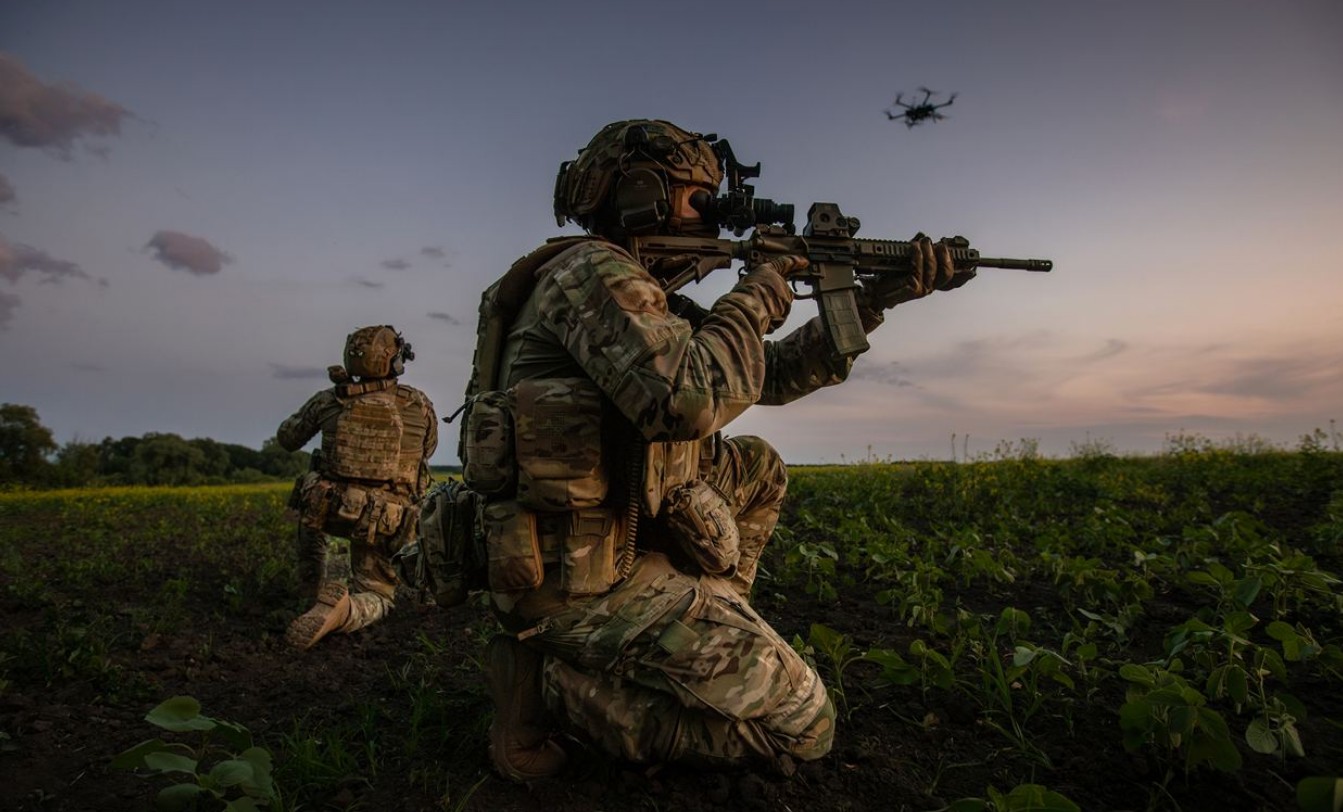
In modern warfare, technology is advancing at a rapid pace, fundamentally changing the way battles are fought. One such game-changer is the deployment of drones, which have become ubiquitous on the battlefield for surveillance, tactical strikes, and more. These airborne technologies, while offering strategic advantages, also pose significant threats to ground troops. Recognizing the need to counteract these threats, researchers and defense manufacturers have been focusing on innovative solutions, one of which includes the development of specialized anti-drone ammunition like the 5.56 rounds.

The Rise of Drones in Warfare
Drones, also known as Unmanned Aerial Vehicles (UAVs), have been adopted by military forces worldwide due to their ability to perform a wide array of tasks that would typically require manned aircraft. These tasks range from intelligence gathering and reconnaissance to carrying out precision strikes with minimal risk to human operators. However, as drones proliferate, they present new challenges, particularly for infantry units that find themselves increasingly vulnerable to aerial threats.
One key vulnerability is the ability of drones to scan large areas from the sky, providing real-time data back to command centers. This enables the enemy to pinpoint troop movements, ambush positions, and supply lines, significantly reducing the element of surprise.
Advantages of 5.56 Anti-Drone Rounds
In response to these challenges, the development of 5.56 anti-drone rounds aims to empower foot soldiers with the capability to defend themselves against these airborne threats. These specialized rounds are designed to be used in standard infantry rifles, providing a much-needed enhancement without requiring major changes to existing military equipment or tactics.
The primary advantage of these specialized rounds lies in their engineering. Typically designed to disrupt or disable small drones, these munitions possess unique characteristics that set them apart from conventional ammunition. Their enhanced trajectory and ability to deploy countermeasures within a certain proximity of the drone make them formidable tools for foot soldiers.
Summary of 5.56 Anti-Drone Rounds Features
| Feature | Description |
|---|---|
| Caliber | 5.56mm |
| Compatibility | Standard infantry rifles |
| Deployment Mechanism | Disruptive payload/explosive |
| Effective Range | 200-300 meters |
| Operational Tactics | Manual targeting with standard scopes |
Operational Benefits on the Battlefield
Deploying anti-drone rounds not only enhances the immediate safety of soldiers on the ground but also allows for greater flexibility and adaptability in tactical planning. The ability to neutralize drone threats efficiently means infantry units can maneuver more freely without the constant oversight that enemy drones might enable.
Additionally, the psychological impact cannot be underestimated. Knowing that they have the means to protect themselves from above can improve troop morale, encouraging more dynamic battlefield tactics that were previously constrained by the unpredictable threat of drones.
Enhancing Soldier Survivability
Survivability in combat is not solely dependent on offensive capabilities but also on a unit’s ability to defend against emerging threats. The introduction of anti-drone rounds reflects a broader move towards comprehensive soldier protection, ensuring that all technological advancements in offensive warfare are matched with equal advancements in defense.
Moreover, these rounds represent part of a larger focus on soldier-centered combat solutions. From sophisticated body armor to advanced communication systems, modern militaries are increasingly investing in technologies that preserve the lives of soldiers and maintain their effectiveness on the field.
Looking Ahead: The Future of Anti-Drone Technology
As drones continue to evolve, so too will the technologies designed to counter them. Future anti-drone solutions will likely involve a combination of kinetic and electronic countermeasures, designed not only to neutralize the physical threat posed by drones but also to disrupt their communication and data-gathering capabilities.
The innovation in anti-drone rounds such as these 5.56 calibers will likely inspire further developments across multiple platforms and calibers, broadening the options available for defending against aerial threats. The integration of smart technologies, such as guided targeting systems, may also be a part of future enhancements, making these rounds even more effective.
In conclusion, the development and deployment of 5.56 anti-drone rounds mark a significant step forward in enabling ground troops to maintain the upper hand in an increasingly complex battle environment. As these technologies continue to advance, they will play a critical role in shaping the future of ground defense strategies, ensuring that infantry soldiers are equipped to meet modern challenges effectively and safely.