

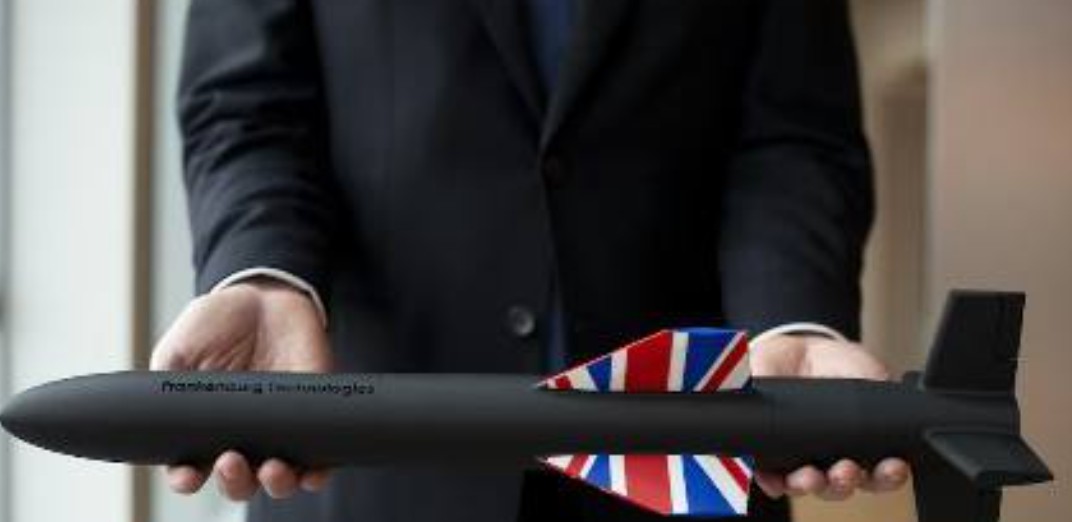
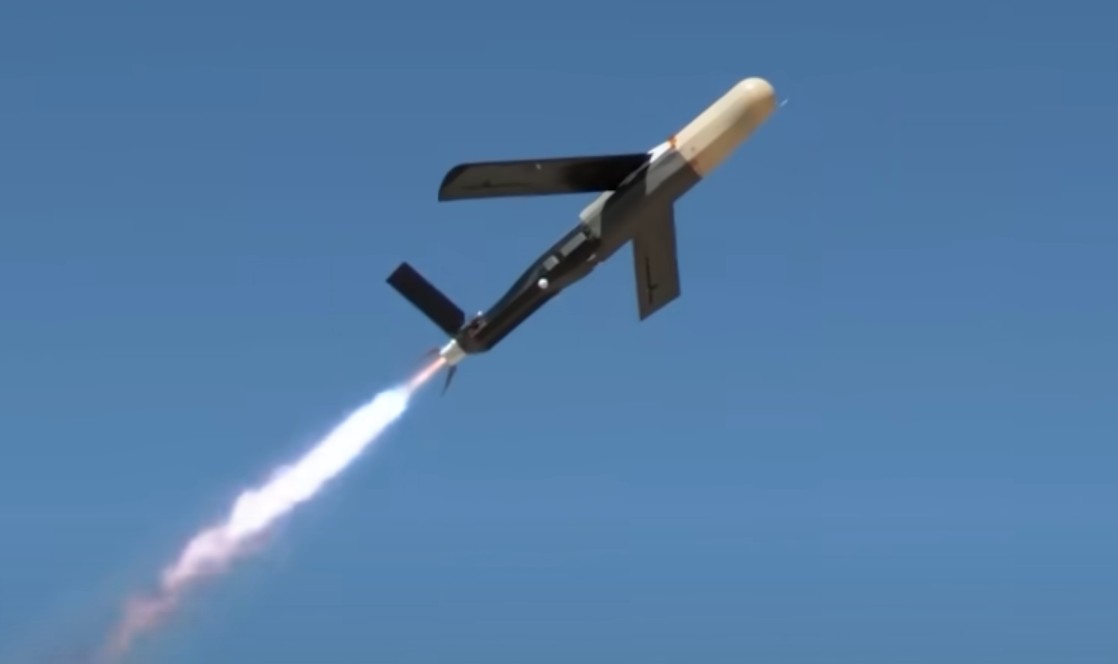
In recent years, the growing threat posed by unmanned aerial vehicles (UAVs) has prompted significant advancements in counter-UAV technology. These threats come not only from military adversaries but also from civilian operators who may fly drones into restricted airspace either accidentally or deliberately. Enter the Mark 1 Micro Missile, a next-generation solution designed to neutralize UAV threats efficiently while minimizing collateral damage.

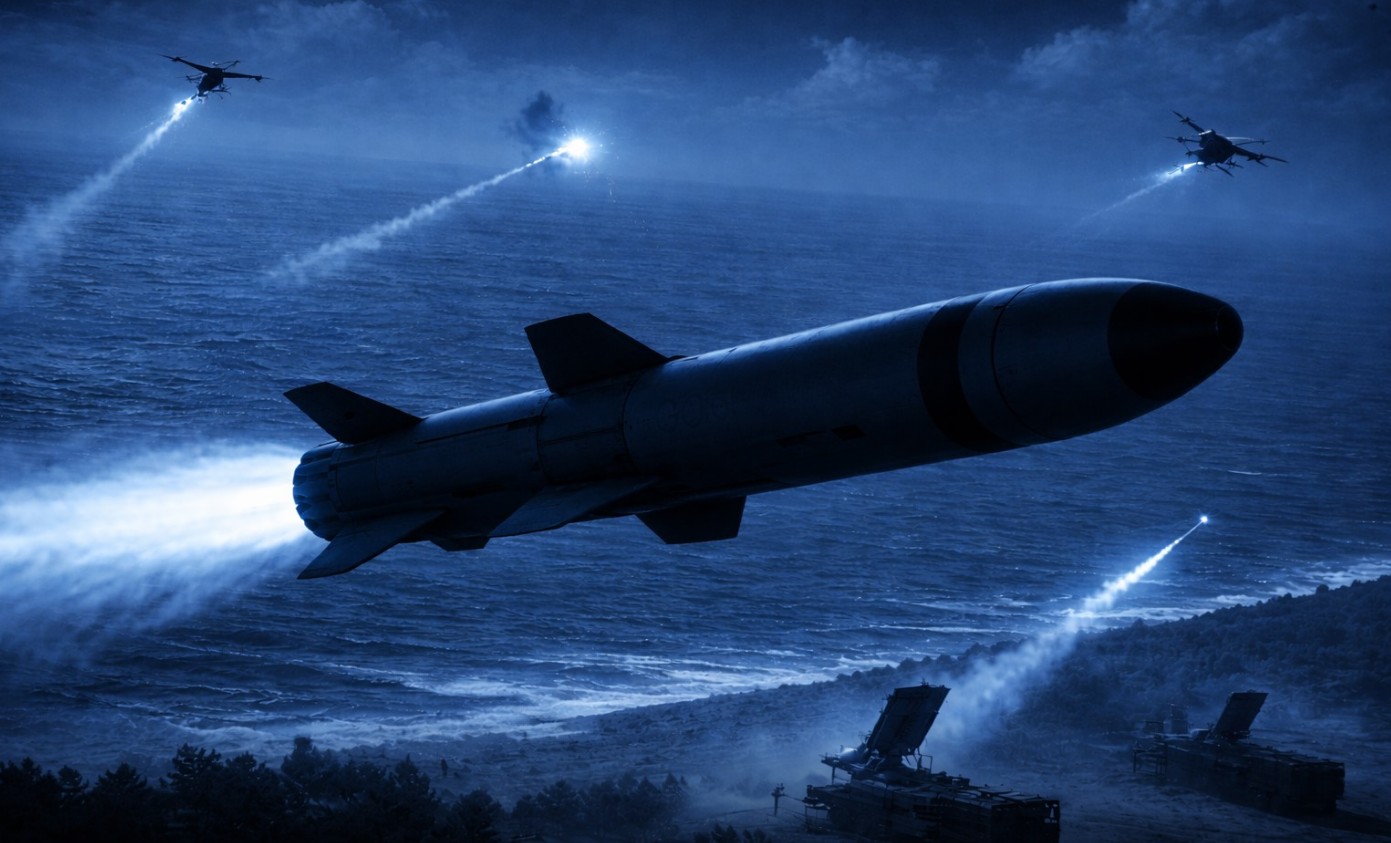
Understanding the UAV Threat
Unmanned Aerial Vehicles, commonly known as drones, have been rapidly proliferating due to their affordability and versatile applications in both military and civilian spheres. However, this proliferation raises concerns regarding privacy, security, and safety. The misuse of drones for espionage, smuggling, and other malicious activities necessitates robust countermeasures. This is where the Mark 1 Micro Missile comes into play, offering a unique approach to modern aerial defense.
Features of the Mark 1 Micro Missile
The Mark 1 Micro Missile is designed as an effective tool for neutralizing UAVs at various altitudes and speeds. Some of its notable features include:
- Precision Targeting: Utilizing advanced targeting algorithms and sensor systems, the missile can accurately track and engage fast-moving, small targets.
- Compact Size: As the name suggests, this micro missile is significantly smaller than traditional ordnance, allowing for deployment from a variety of platforms including ground vehicles and patrol aircraft.
- Minimal Collateral Damage: Its small warhead and precise targeting system are engineered to mitigate the risk of unintended harm to surroundings.
- Multi-Platform Compatibility: The Mark 1 can be integrated with existing defense systems, enhancing their anti-drone capabilities without requiring substantial overhauls.
Technical Specifications
| Specification | Details |
|---|---|
| Length | 1.2 meters |
| Diameter | 0.1 meters |
| Weight | 15 kg |
| Range | 5 km |
| Warhead | 1.5 kg high-explosive |
| Guidance System | Dual-mode seeker (IR and RF) |
Deployment Scenarios
The versatility of the Mark 1 Micro Missile makes it suitable for a wide range of scenarios. Military bases near conflict zones can employ these systems to maintain airspace integrity and prevent reconnaissance by enemy UAVs. Additionally, public event organizers, such as those hosting large gatherings or sports events, may find these missiles useful for protecting against unauthorized drone activity that could endanger participants and viewers.
Challenges and Considerations
Despite its advantages, deploying micro missiles for drone countermeasures presents some challenges. Chief among these is the need for rigorous policies and protocols to regulate their use, ensuring that these powerful tools are employed judiciously and ethically. Moreover, as counter-UAV technology evolves, so too do the capabilities of adversarial drones, necessitating continuous innovation and upgrades to the Mark 1 system.
The Future of Anti-UAV Technologies
As drones continue to feature prominently in both beneficial and malicious activities, the importance of robust anti-UAV systems like the Mark 1 Micro Missile will only grow. Enhanced by ongoing advancements in sensor technology and artificial intelligence, future iterations of the Mark 1 are likely to offer even greater efficacy and adaptability. This ongoing development ensures that defense entities remain one step ahead in maintaining secure airspaces.
In conclusion, the Mark 1 Micro Missile represents just one facet of the comprehensive approach required to tackle the UAV threat. By combining innovation with practicality, it sets the standard for new defensive technologies designed to keep skies secure against the multifaceted challenges presented by modern-day drones.