

The Strategic Importance of the South China Sea
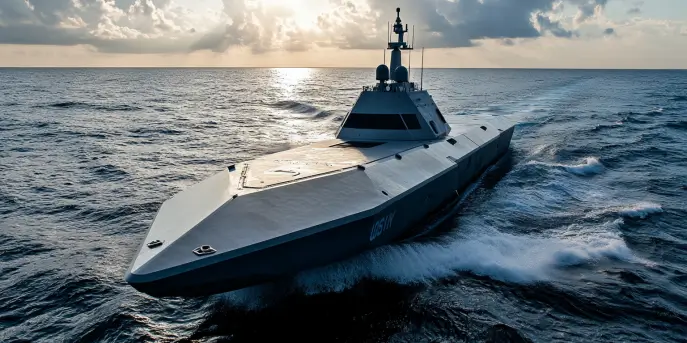
The South China Sea is a pivotal maritime corridor that holds immense strategic importance for global trade, regional security, and geopolitical stability. This body of water, surrounded by multiple Southeast Asian nations, is a bustling route for over a third of the world’s maritime traffic, making it an indispensable artery for international trade.

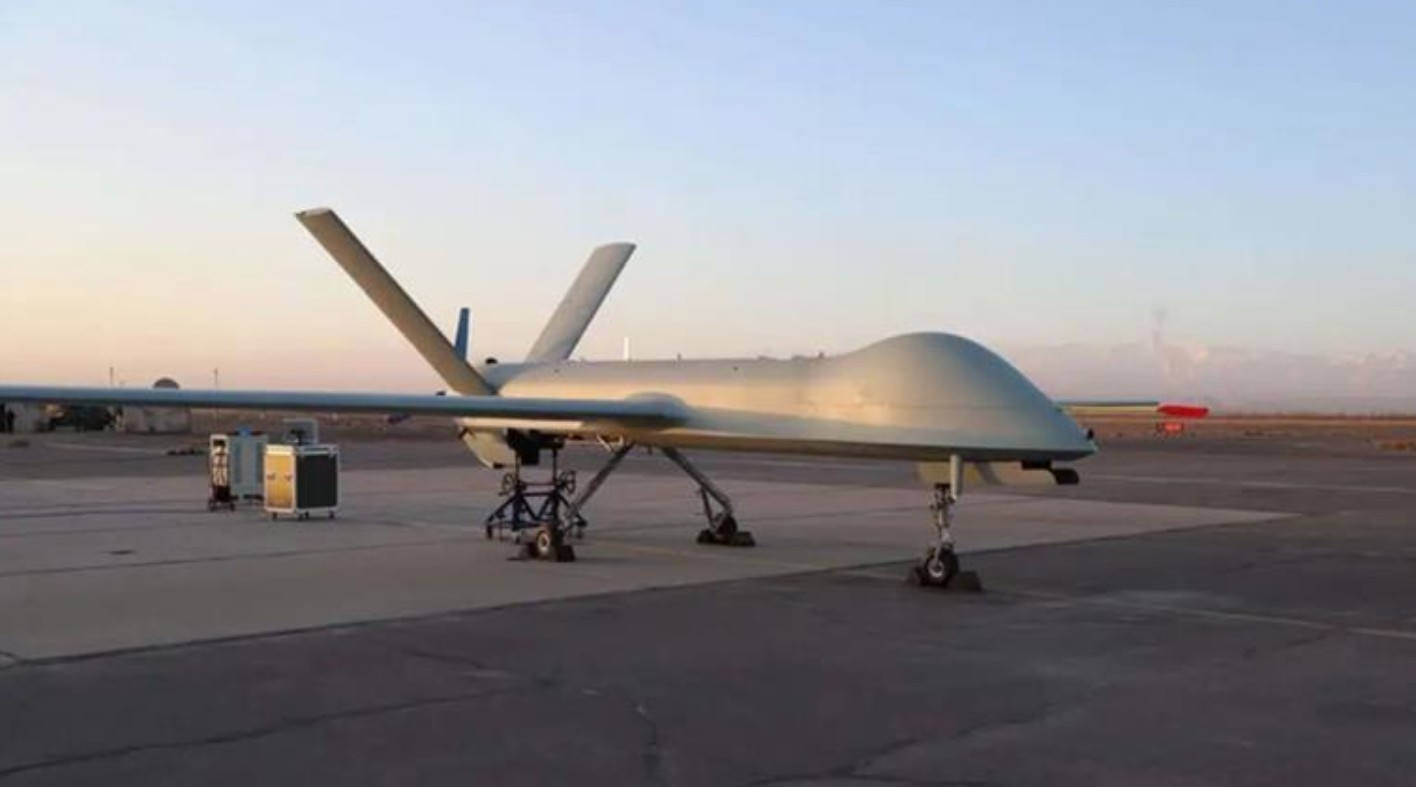
Development of Artificial Islands
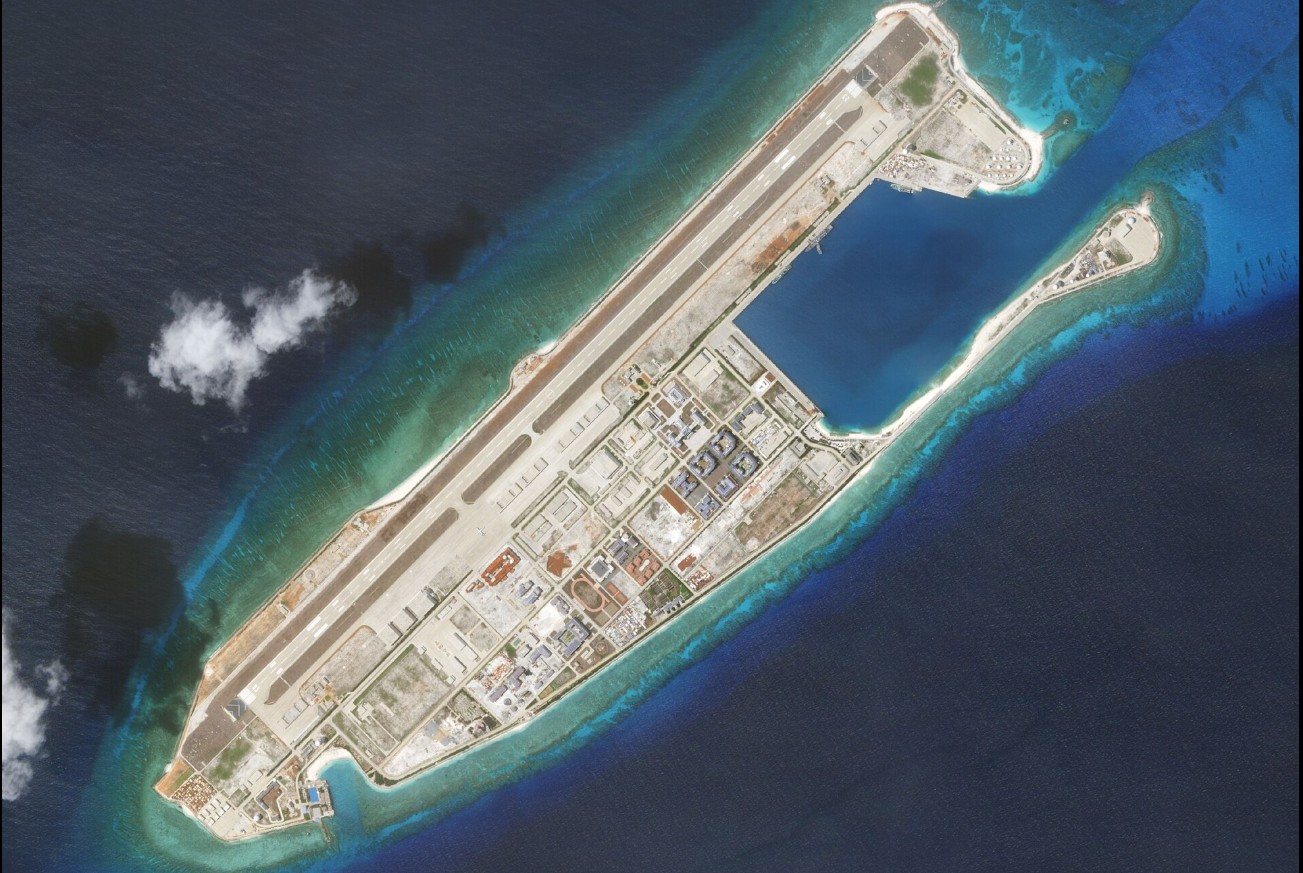
The concept of extending strategic military capabilities by constructing artificial islands is not new, but the aggressive scale and scope adopted in the South China Sea are unprecedented. Over recent years, China has made headlines for its efforts in building artificial island bases, particularly in the Spratly Islands region.
Construction and Development Techniques
The development process involves massive dredging and land reclamation efforts. By deploying fleets of dredgers, China excavates sand and relocates it to designated reefs and shallow areas, creating land where none existed before. These artificial landmasses serve as platforms for further construction and military fortification.
The following is a breakdown of some of the militarization features included in these artificial islands:
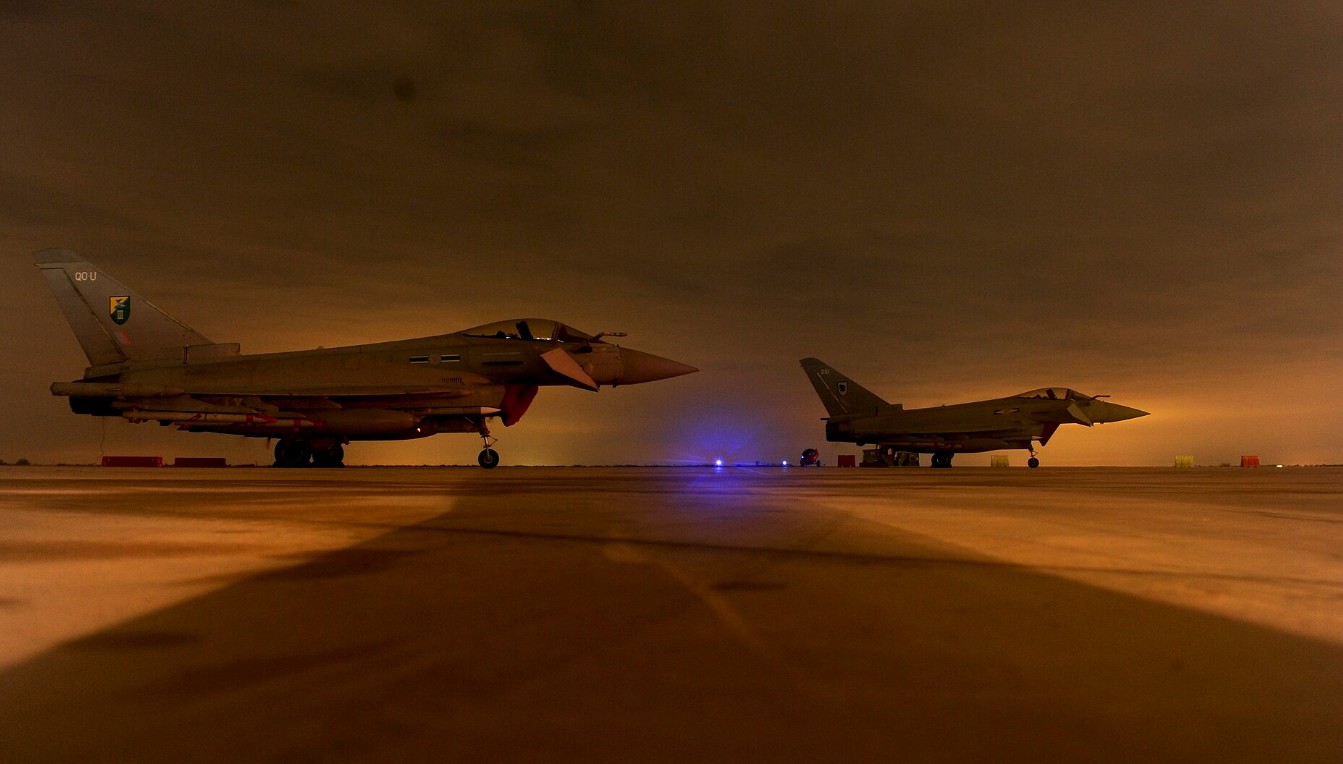
- Airstrips and Hangars: Runways capable of handling military aircraft are constructed, bolstered by hangars to house fighter jets and other aerial machinery.
- Naval Ports: These facilities support a range of naval vessels, providing docking space and logistical support crucial for regional presence.
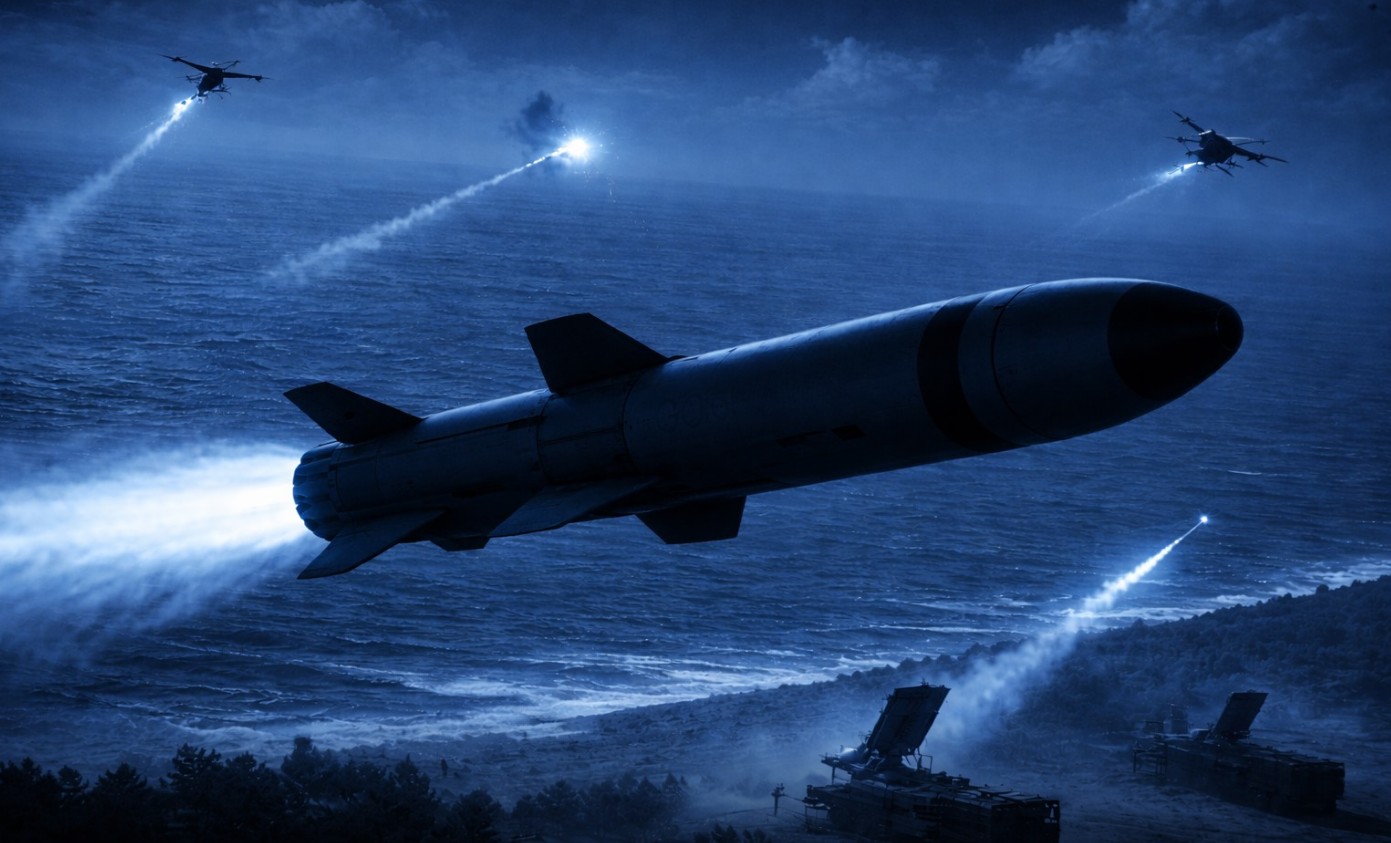
- Defensive Installations: Including radar arrays, anti-aircraft batteries, and missile defense systems, these elements showcase an impressive range of military readiness.
Key Installations and Their Capabilities
Here’s a look at some of the specific artificial islands and what they host:
| Island Name | Runway Length | Features |
|---|---|---|
| Fiery Cross Reef | 3,000 meters | Airstrip, Naval Port, Missile Defense |
| Subi Reef | 2,700 meters | Hangars, Radar Arrays, Defensive Batteries |
| Mischief Reef | 2,600 meters | Deepwater Port, Military Housing, Surveillance Systems |
Implications for Regional and Global Security
The creation of these militarized islands has profound implications for regional and global security dynamics. From a regional perspective, the presence of enhanced military installations intensifies the strain between China and other claimants, including Vietnam, the Philippines, and Malaysia. The United States and its allies view these developments with concern, noting they could disrupt freedom of navigation operations critical to maintaining open international waters.
Regional Tensions: The expansion projects have resulted in diplomatic tensions and the occasional flashpoint incident. Countries in the Association of Southeast Asian Nations (ASEAN) find themselves in a difficult position, balancing economic ties with China and security obligations within their sovereign territories.
Environmental and Humanitarian Concerns
The environmental impact is another critical issue stemming from the rapid development of artificial islands. Dredging activities damage coral reefs and marine biodiversity. The disruption of natural habitats could lead to long-term ecological devastation.
From a humanitarian perspective, the militarization of these islands raises questions about the rights and livelihoods of traditional fishing communities and the potential displacement caused by escalating tensions.
International Legal Perspectives
Legally, the artificial islands challenge existing international frameworks such as the United Nations Convention on the Law of the Sea (UNCLOS). While the convention allows land reclamation, the militarization aspect of these projects remains contentious, exacerbating diplomatic rifts and encouraging calls for international legal arbitration and resolutions.
Overall, the question remains whether diplomacy can pave the way to de-escalation, or if the scale and scope of these developments will lead to new confrontations and alignments in the global arena.