

The Changing Landscape of Warfare
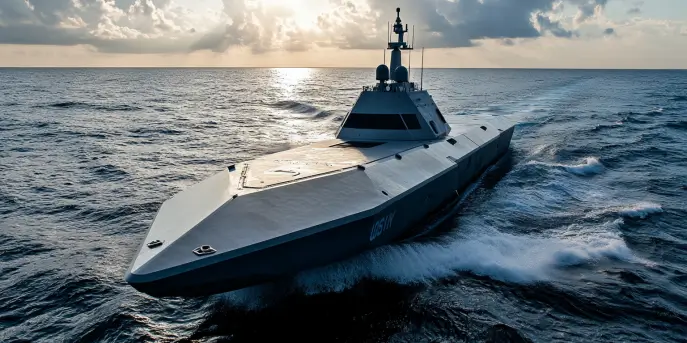
In recent years, the dynamic of military engagements has shifted drastically. Warfare, once defined by sheer firepower and manpower, is increasingly influenced by technology. Two key players in this transformed battlefield are cheap drones and high-tech missiles. These innovations each bring unique advantages and challenges, reshaping strategies and expectations in modern conflicts.
The Rise of Affordable Drones
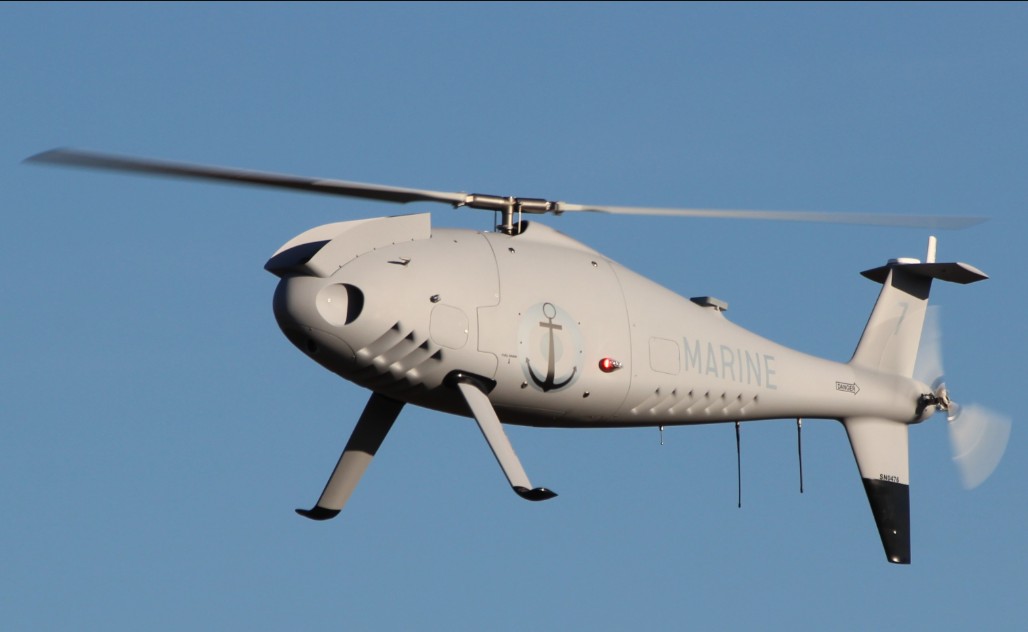
Cheap drones, often associated with consumer technology, have found a significant role in military settings. With the cost of production plummeting due to advancements in electronics and widespread commercial use, military forces are employing these drones for a variety of tasks beyond traditional reconnaissance.
The advantages of drones include their low cost, ease of deployment, and versatility. Lightweight and capable of being operated remotely, drones can be used for surveillance, direct attack, or decoy purposes. The ability to swarm an area with multiple drones presenting multiple threats is a game-changer.
High-Tech Missiles: Precision but at a Cost
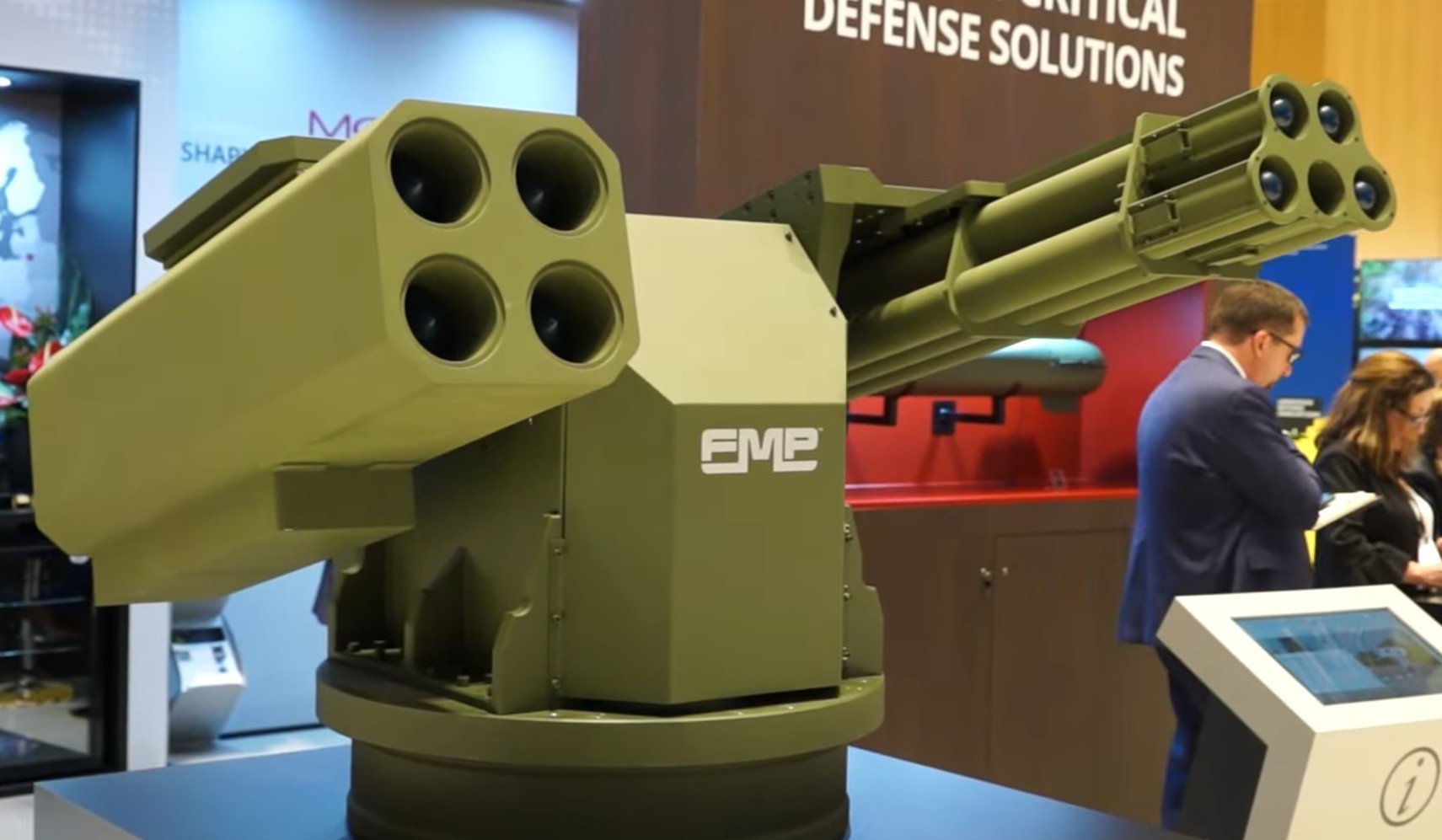
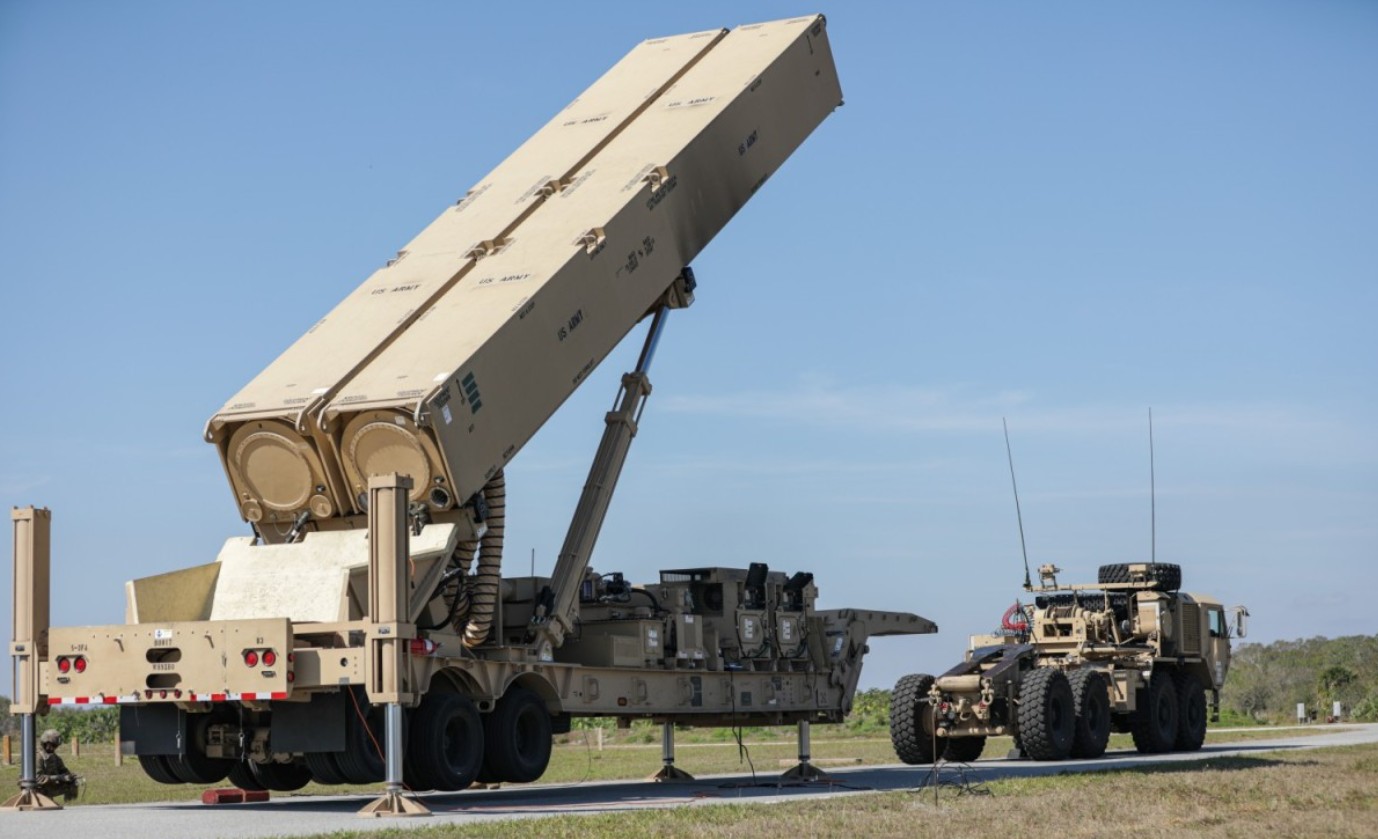
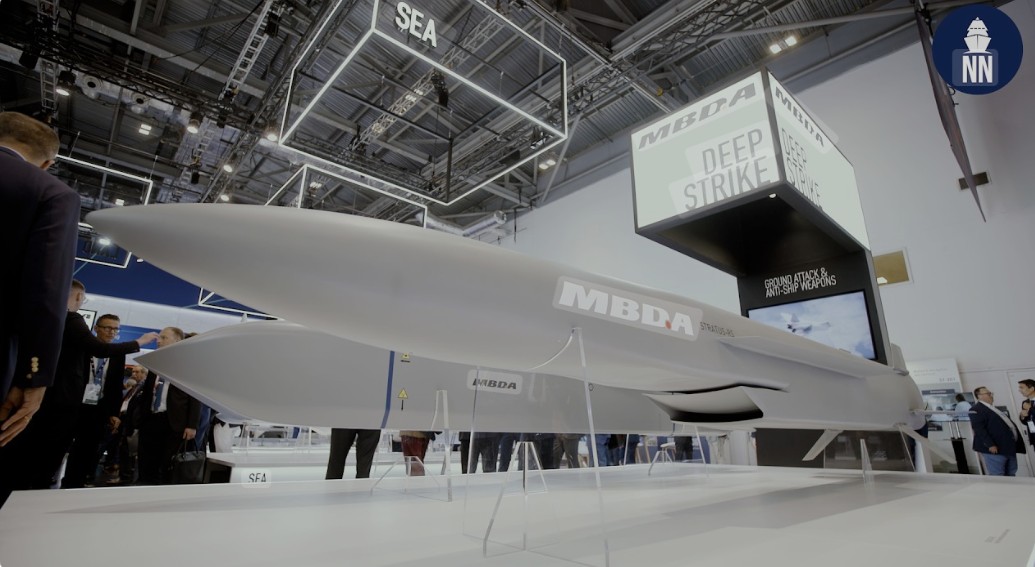
High-tech missiles, representing the pinnacle of military technology, are designed for precision strikes. Armed with sophisticated guidance systems, including GPS and laser systems, these missiles are lethal and accurate. However, their cost and the complexity of technology involved cannot be ignored.
Missiles are also favored for their speed and ability to engage targets at greater distances and with advanced stealth capabilities. They are employed to counter well-defined threats and to engage high-value targets with minimal collateral damage.
Comparative Analysis
| Aspect | Cheap Drones | High-Tech Missiles |
|---|---|---|
| Cost | Low | High |
| Deployment Speed | Fast | Varies |
| Range | Medium | Long |
| Precision | Moderate | High |
| Flexibility | High | Low |
The affordability and swarming capabilities of cheap drones make them ideal for tasks where high numbers and rapid deployment are vital. Conversely, high-tech missiles are better suited for strategic missions requiring surgical precision and extensive reach.
Operational Scenarios
Drones have been particularly useful in asymmetric warfare environments. With the ability to mass-produce and deploy numerous drones simultaneously, these aerial units can overwhelm enemy defenses. Moreover, their low cost poses little financial risk, allowing for aggressive tactical experimentation.
High-tech missiles, on the other hand, are often reserved for high-stakes engagements. Their precision makes them ideal for targeting critical infrastructure or high-value enemy units. However, the substantial resource investment means that these weapons are used sparingly and primarily in situations where assured outcomes are desired.
Challenges and Countermeasures
Both drones and missiles face specific challenges. Drones, with their reliance on electronic systems, are susceptible to jamming and other forms of electronic warfare. Additionally, many drones have limited endurance and payload capacity, making them less effective in sustained engagements.
High-tech missiles, while precise, are not without their vulnerabilities. Countermeasures such as anti-missile systems, enhanced stealth detection, and ECM (Electronic Countermeasures) technologies constantly evolve, pushing missile design towards more complex and expensive solutions.
The Future of Military Strategy
The interplay between cheap drones and high-tech missiles highlights the evolving nature of military strategy. Forces are increasingly looking to integrate both technologies into a coherent operational doctrine. This integrated approach allows forces to capitalize on the strengths of each weapon – leveraging the cost-effectiveness and volume of drones with the surgical precision of missiles.
The future may see the development of hybrid systems that combine the best of both worlds, offering adaptable, cost-effective, and precise solutions. As technology advances, the lines between these technologies may blur, but for now, they offer distinct roles on the modern battlefield.