

The Transformation of Military Platforms with AI and Robotics
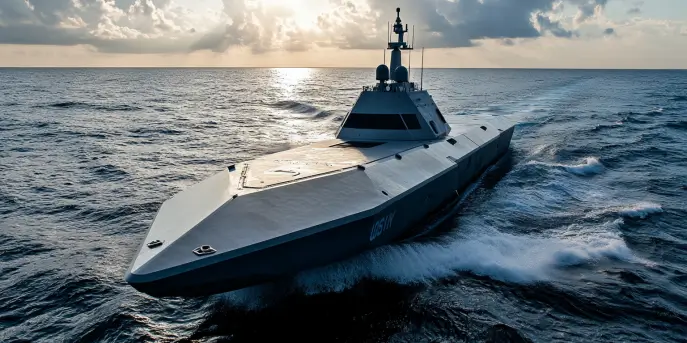
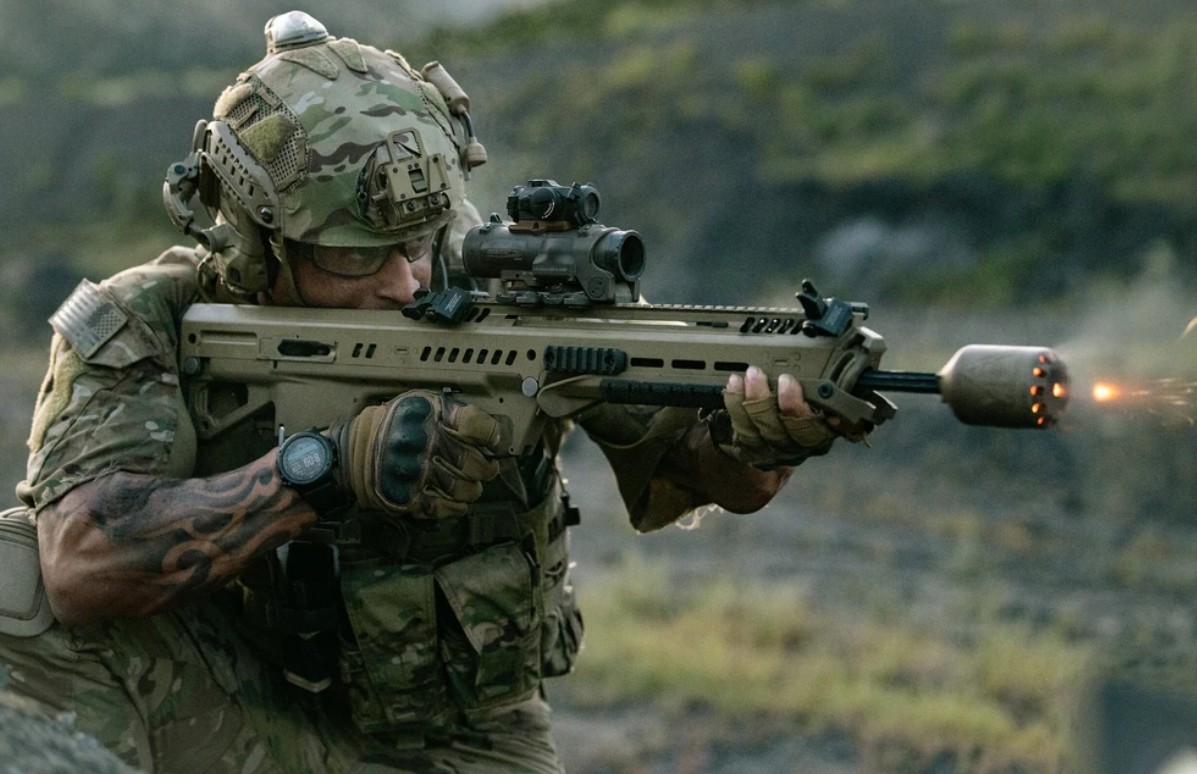
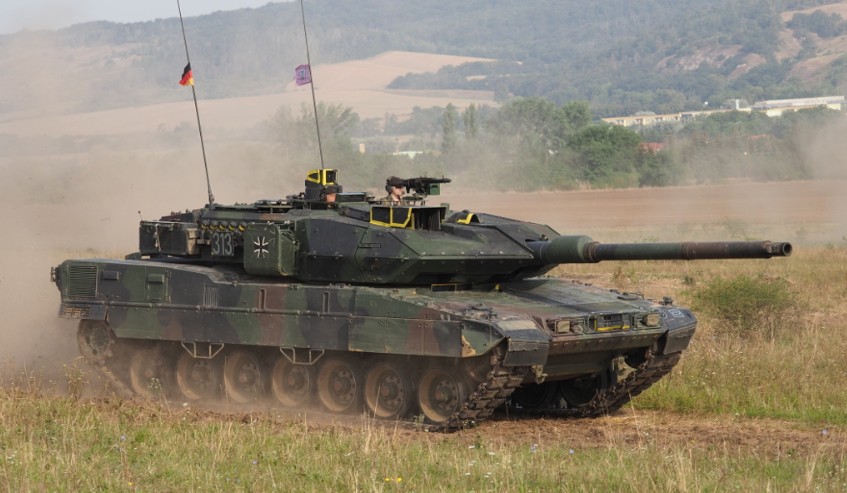
In recent years, the defense sector has seen a dramatic shift with the integration of artificial intelligence (AI), robotics, and advanced sensors. These technologies are not just reshaping how military operations are conducted, they are also enhancing capabilities and efficiency. With the rapid growth of technological advancements, militaries around the world are increasingly focusing on modernizing their existing platforms rather than designing entirely new systems.
AI and Decision-Making
AI’s role in military applications is paramount, especially in decision-making processes. AI systems can analyze immense volumes of data from various sensors in real time, providing valuable insights and situational awareness that surpass human capabilities. With machine learning algorithms, AI can also predict potential threats and suggest optimal responses, thereby playing a crucial role in mission planning and execution.
Example: The United States’ Project Maven uses AI to interpret and analyze surveillance footage from UAVs (Unmanned Aerial Vehicles). This significantly reduces the workload on human analysts, enhancing efficiency and enabling quicker decision-making.
Robotics in Combat and Logistics
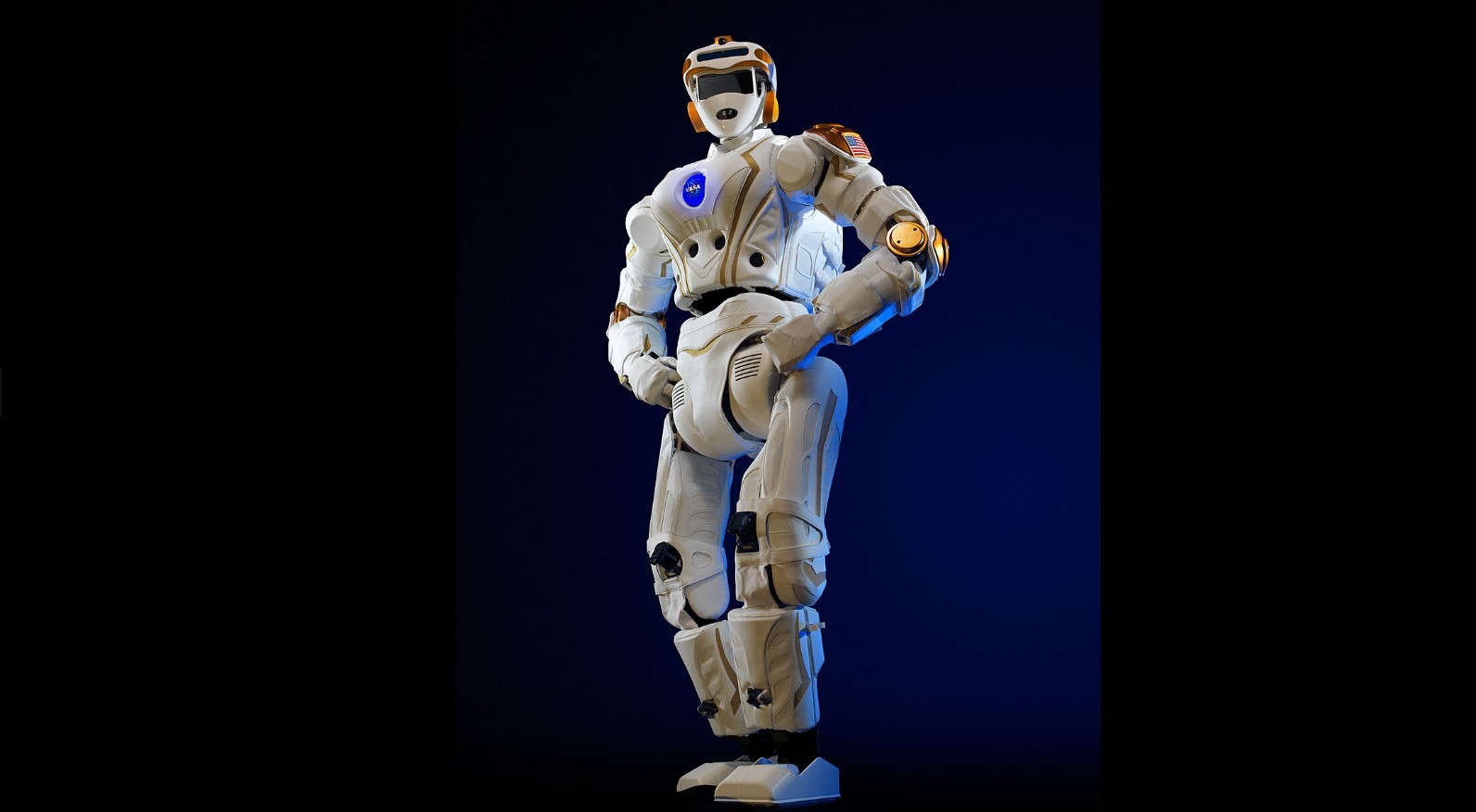
Robotics is another critical technology transforming military strategies. Automated and semi-automated robots can perform tasks ranging from reconnaissance to logistics, ensuring safety and operational effectiveness. By integrating robotics into existing military platforms, such as ground vehicles and drones, forces can extend their operational reach while minimizing personnel risks.
For instance, robotic systems are being used to handle explosive ordnance disposal (EOD), reducing the need for humans to be directly involved in dangerous tasks. Moreover, autonomous supply drones can deliver essential materials to troops stationed in remote or hazardous environments.
Advanced Sensors and Their Impact
Advanced sensors combined with AI and robotics provide unprecedented levels of data collection and interpretation. Modern military platforms are equipped with state-of-the-art sensors that offer high-resolution imaging, thermal detection, and even environmental data collection.
These sensors enhance target acquisition, surveillance, and reconnaissance missions, ensuring forces have the most accurate and comprehensive battlefield data available. For example, the integration of LIDAR and RADAR systems into military drones enhances their capability to navigate and map environments with high precision.
Table: Key Specifications of Modern Military Sensors
| Sensor Type | Primary Use | Key Benefits |
|---|---|---|
| Infrared Sensors | Night vision, Targeting | Allows operations in low-light conditions |
| LIDAR | Navigation, Mapping | High precision in mapping environment |
| RADAR | Surveillance, Weather Monitoring | Long-range detection and tracking |
| Acoustic Sensors | Submarine Detection | Detect underwater threats and navigation |
Challenges in Integration
While the integration of AI, robotics, and advanced sensors into military platforms offers numerous advantages, it also presents significant challenges. Compatibility with legacy systems, data security, and ethical considerations are some of the major hurdles faced by defense organizations.
Ensuring these technologies communicate effectively with existing systems requires dedicated efforts in system engineering. Cybersecurity is another primary concern, given that these advanced systems often operate on networked platforms, making them potential targets for cyberattacks. Furthermore, the implications of autonomous systems in combat raise ethical questions regarding accountability and decision-making in life-or-death situations.
The Future of Military Technology
Looking ahead, the continuous advancement of AI, robotics, and sensor technologies promises to further revolutionize military capabilities. The focus will likely shift towards developing fully autonomous systems capable of learning and improvising during missions, thus reducing the need for human intervention.
With nations investing heavily in research and development, future military technologies will emphasize stealth, speed, and precision. Advanced stealth drones, hypersonic weapons, and sophisticated electronic warfare systems are just some of the innovations on the horizon.
Moreover, collaborative defense initiatives on international stages are expected to proliferate, allowing countries to share technology and intelligence, thereby enhancing global security measures. As these technologies evolve, they will redefine combat strategies and force structures, ensuring militaries remain agile and prepared for future conflicts.
Embracing Technological Change
The integration of AI, robotics, and advanced sensors is not just a technical upgrade in military platforms; it is a fundamental transformation in defense strategy. By embracing these technologies, armed forces can enhance their operational effectiveness, ensure personnel safety, and maintain a strategic advantage over potential adversaries. As the battlefield of the future continues to evolve, staying ahead of technological trends will be crucial for any nation’s security apparatus.