

The Historical Context of Military Strategies
The military strategies of nations are deeply rooted in their history, geography, and political landscape. The United Kingdom and France, two of Europe’s most significant powers, have been both allies and adversaries. Their military tactics reflect their evolution over centuries of warfare, diplomacy, and political change.

British Military Approaches
Naval Dominance
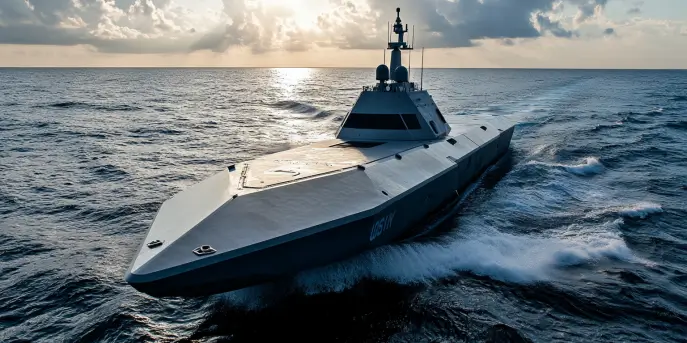
Historically, the British military has heavily relied on its naval prowess, a legacy dating back to the days of the Royal Navy’s rise in the 17th century. The strategic choice to focus on naval power was primarily driven by the UK’s island geography, which necessitates control of the sea lanes to safeguard against invasions and to maintain trade routes.
The Concept of the ‘Thin Red Line’
The British Army introduced the ‘Thin Red Line’ tactic, particularly noticeable during the Victorian Era. This strategy involved soldiers standing two ranks deep to maximize firepower and maintain cohesion. An iconic example was at the Battle of Balaclava in 1854, where the 93rd Highland Regiment repelled a Russian cavalry charge impressively.
Use of Irregular Forces
The British have historically utilized irregular forces as a tactical tool. This includes the use of local militias in colonial territories and specialized units like the Special Air Service (SAS) during World War II, which focused on reconnaissance and sabotage behind enemy lines.
French Military Tactics
Focus on Land Forces
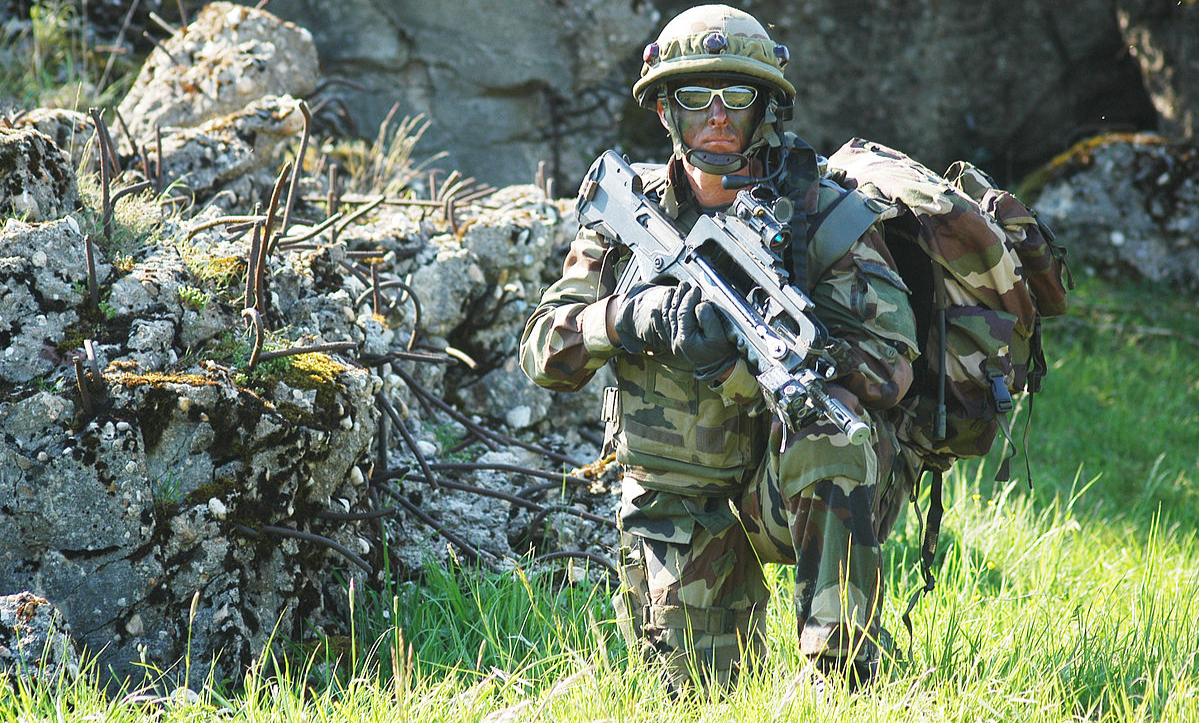
France’s military tradition has been more land-focused, emphasizing large armies capable of decisive battles on the continent. This is partly due to France’s location and the need to defend its extensive land borders throughout history.
The Policy of Offensives
French military doctrine has often favored offensives, known as ‘Élan’. The idea was to win battles through aggressive maneuvers relying on the high morale and bayonet charges, as seen in early World War I battles. Despite mixed results, this doctrine underscored French military thinking for decades.
The Maginot Line Strategy
Post-World War I, France invested heavily in the Maginot Line, a line of defensive fortifications along its border with Germany. This was based on experiences from WWI and a belief in static defenses, although its effectiveness was undermined by innovative German tactics during WWII.
Comparison and Contrast
Flexibility vs. Tradition
The British approach often showcased flexibility and adaptability, in part due to their global empire and need to adapt to various theaters of war. Conversely, the French tradition often rooted itself in established doctrines, although it has shown significant adaptability in modern times, especially post-World War II with decolonization conflicts.
Technological Integration
Both militaries have historically integrated technology into their strategies, though with varying priorities. The British invested early in naval technologies, while France has contributed significantly to advancements in armored warfare and nuclear proliferation in the post-war era.
| Aspect | British Military | French Military |
|---|---|---|
| Main Focus | Naval Power | Ground Forces |
| Key Strategy | Irregular Warfare | Offensive Doctrine |
| Historical Doctrine | ‘Thin Red Line’ | ‘Élan’ |
| Notable Fortifications | Naval Bases | Maginot Line |
Evolution in the Modern Era
Modern times have seen both nations reevaluating and restructuring their military strategies and capabilities. The United Kingdom’s strategic defense reviews continuously emphasize expeditionary forces, rapid deployment, and technological integration. Britain’s continued focus on a significant naval presence is exemplified by its commissioning of advanced aircraft carriers like the HMS Queen Elizabeth.
France has placed emphasis on rapid deployment and high readiness for satellite warfare capabilities, illustrated by its participation in a wide array of international peacekeeping missions and anti-terrorism operations like Operation Serval in Mali.
A Collaborative Future
Despite historical rivalries, modern circumstances have fostered a greater synergy between British and French military strategies. This is exemplified by the Lancaster House Treaties, which encourage defense collaboration and joint military operations.
Both countries face the 21st-century challenges of cyber warfare, advanced military tech integration, and international security threats that transcend national borders. As they navigate these complexities, their past and present military doctrines provide a fascinating insight into their evolving identities as military powers.