

The Evolution of Unmanned Aerial Vehicles
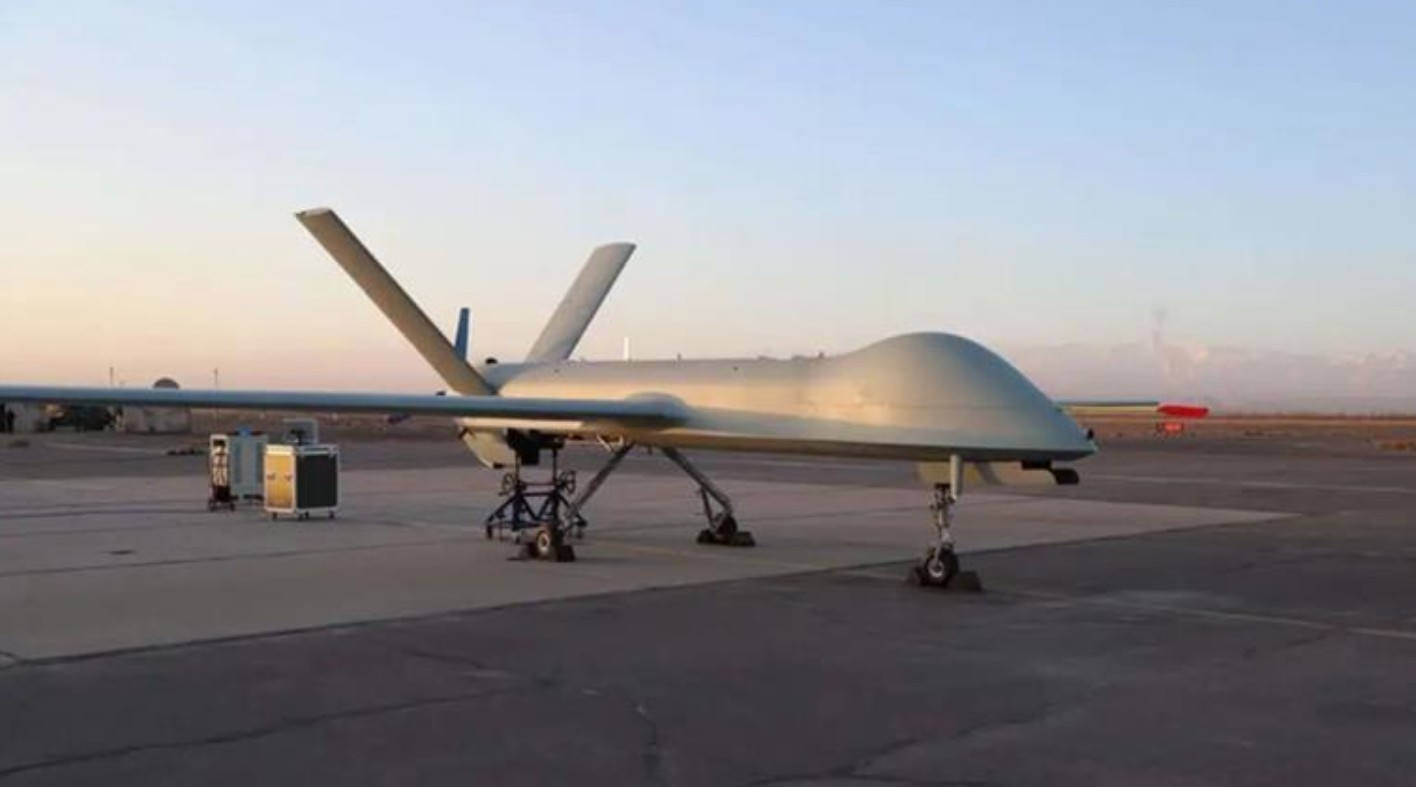
In recent years, the landscape of modern warfare has shifted significantly, driven by advances in technology that have revolutionized military strategies. One of the most notable advancements is the increased use of drones, specifically heavy drones like the CH-4. The CH-4, a flagship model among UAVs (Unmanned Aerial Vehicles), exemplifies how heavy drones are altering the dynamics of battlefields around the globe.
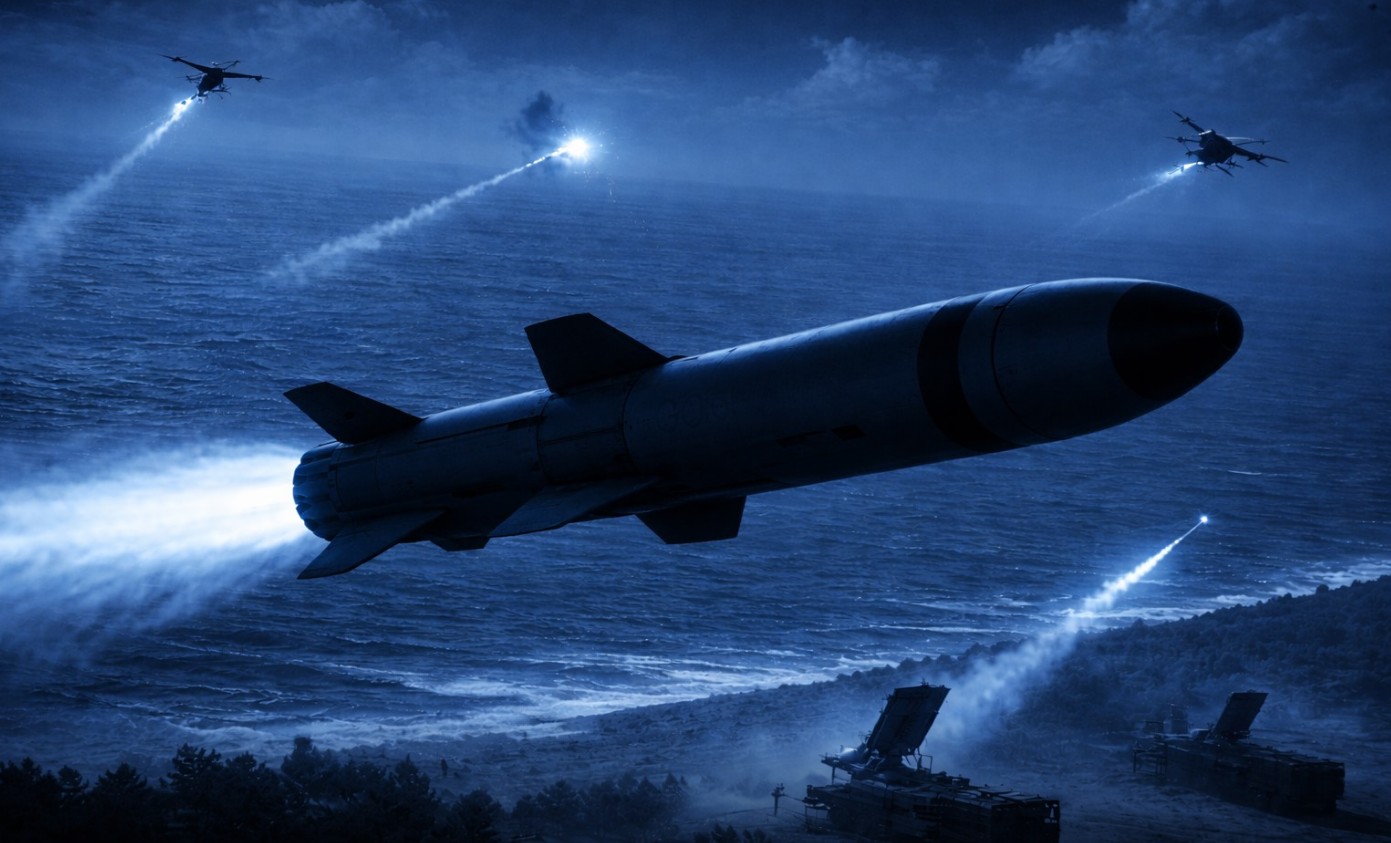
Origins and Development of the CH-4
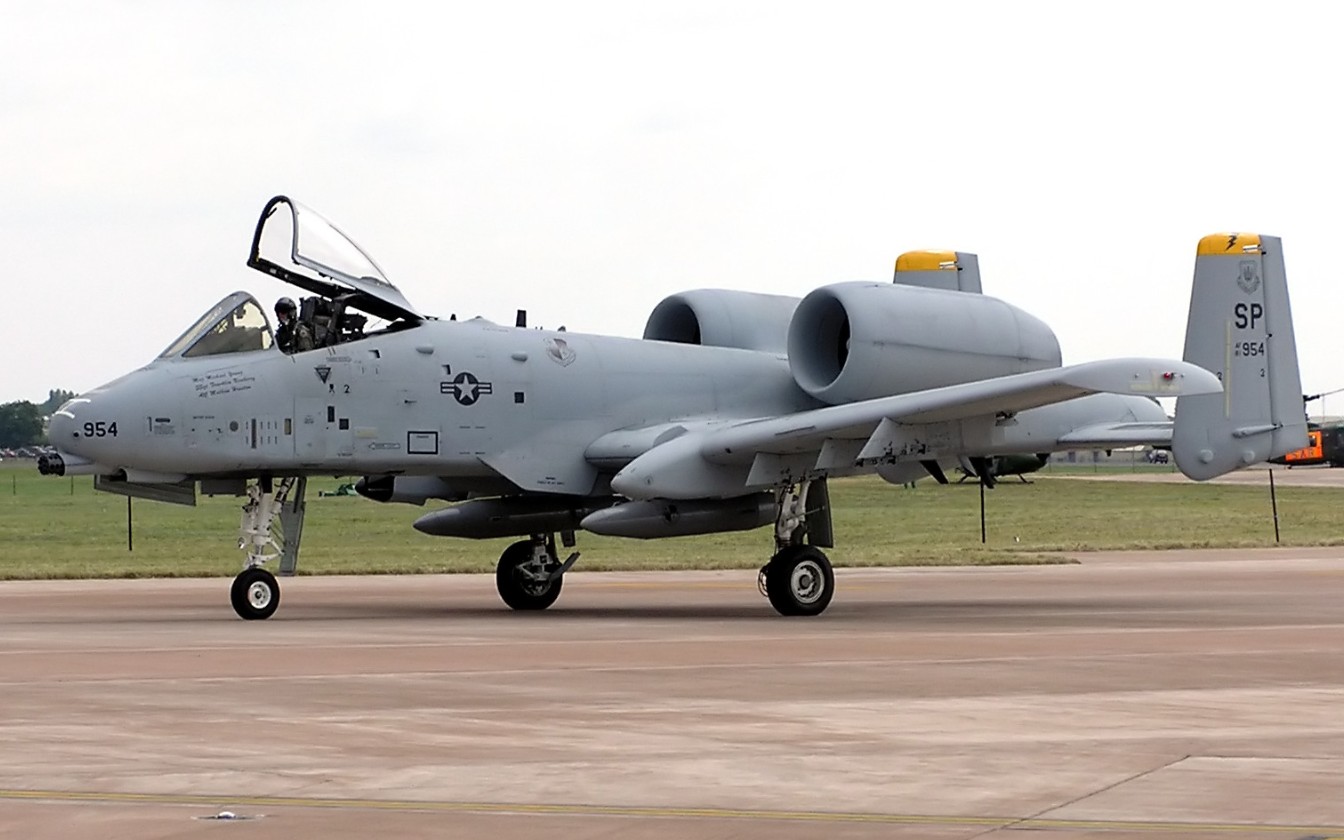
The CH-4 drone, developed by China Aerospace Science and Technology Corporation, is a prominent player in the realm of heavy drones. The CH-4 is inspired by the General Atomics MQ-9 Reaper and is renowned for its long-endurance capabilities and ability to carry substantial payloads. The development of the CH-4 marks a significant milestone in drone technology, incorporating state-of-the-art features tailored for diverse military applications.
Technical Specifications
| Specification | Details |
|---|---|
| Wingspan | 18 meters |
| Maximum Takeoff Weight | 1,330 kg |
| Maximum Payload | 345 kg |
| Maximum Speed | 235 km/h |
| Operational Altitude | 5,000 meters |
| Range | 5,000 km |
| Endurance | 30 hours |
Strategic Advantages of the CH-4
One of the standout features of the CH-4 drone is its versatility in various military operations. It can perform reconnaissance missions, intelligence gathering, and precision strike roles. The drone’s heavy payload capacity allows it to be equipped with advanced surveillance systems and a variety of armaments, enabling it to execute surgical strikes with remarkable accuracy.
Enhanced Surveillance and Reconnaissance
The CH-4 is outfitted with high-resolution cameras and sensors, offering comprehensive battlefield awareness. Its capability to loiter for extended periods grants military commanders real-time insights into the enemy’s movements and actions. This advanced surveillance feature effectively enhances decision-making processes, allowing for timely and informed responses to threats.
Precision Strikes and Tactical Flexibility
The CH-4’s capability to carry a diverse array of weapons is instrumental in executing precision strikes on high-value targets. Whether equipped with missiles or guided bombs, the CH-4 can engage targets with minimal collateral damage. This precision, coupled with the drone’s stealth and agility, makes it an invaluable asset during high-stakes missions.
Reduced Risk to Human Life
One of the most significant benefits of deploying heavy drones like the CH-4 in military operations is the reduced risk to human lives. By operating these drones remotely, military forces can conduct operations in hostile environments without exposing personnel to direct danger. This factor not only enhances the safety of armed forces personnel but also allows for uninterrupted and risk-free operations in challenging terrains.
Challenges and Ethical Considerations
While the deployment of heavy drones such as the CH-4 offers several strategic advantages, it also raises ethical and operational concerns. The increasing autonomy of drones has sparked debates over accountability and the potential for misuse in warfare. Ensuring that such technology is governed by stringent international laws and ethical guidelines is crucial to mitigate unintended consequences and ensure responsible use.
Civilian Casualties and Collateral Damage
Despite advancements in precision targeting, the risk of civilian casualties and collateral damage remains a contentious issue. Measures must be implemented to minimize these risks and ensure that drone operations comply with international humanitarian laws, safeguarding civilian populations and infrastructure.
Global Impact and Future Prospects
The global impact of heavy drones like the CH-4 is significant, as they are reshaping military tactics and strategies across various nations. Countries are investing heavily in drone technology to bolster their defensive and offensive capabilities. This shift towards unmanned aerial systems underscores a broader trend towards technology-driven warfare that prioritizes precision, efficiency, and human safety.
The future prospects for heavy drones are promising, with potential enhancements in autonomy, AI integration, and network-centric warfare capabilities. As technology continues to advance, drones are likely to play an even more critical role in military operations, prompting nations to adapt their defense strategies accordingly.
In conclusion, the CH-4 and similar heavy drones represent the future of modern warfare. Their ability to perform multifaceted roles while minimizing human risk underscores their growing importance in global military strategies. As the landscape of warfare continues to evolve, heavy drones will undoubtedly remain at the forefront, driving innovation and enhancing the effectiveness of military operations worldwide.