

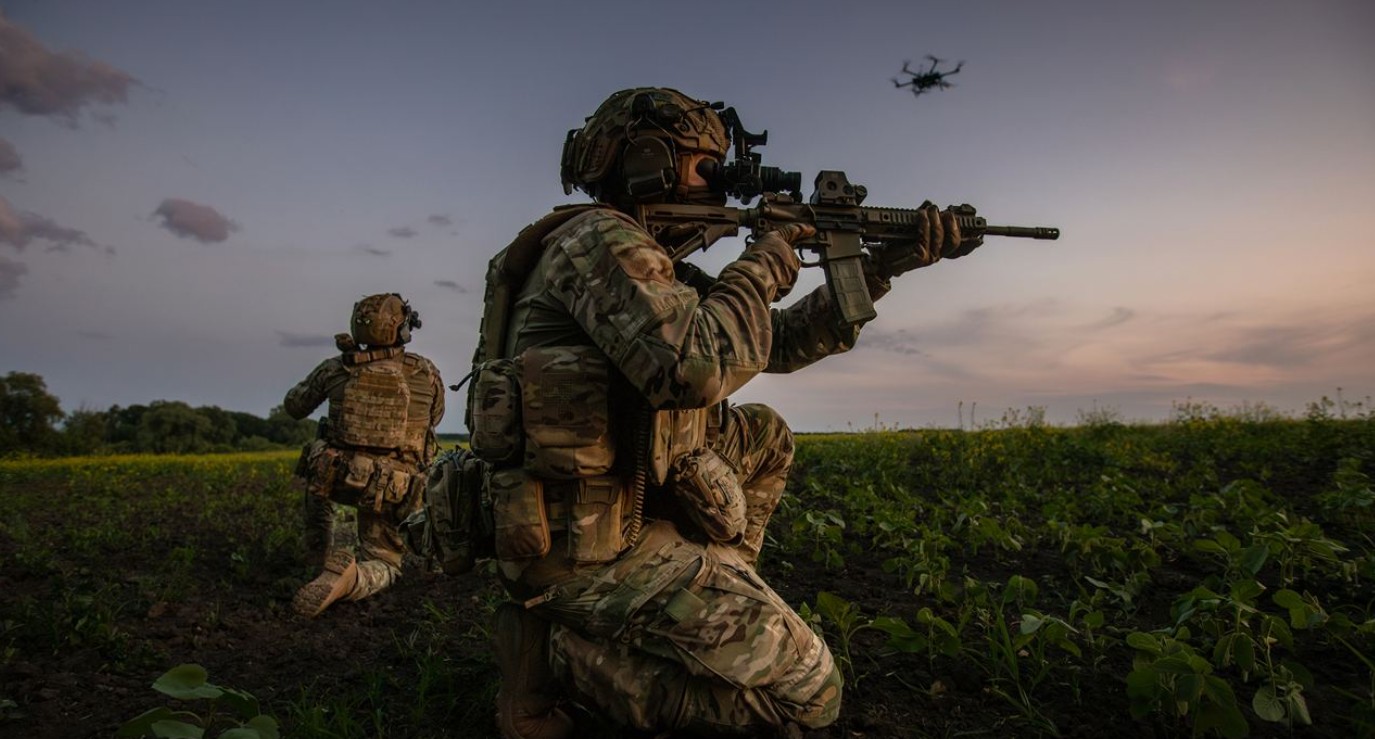
The evolution of warfare has always been characterized by the integration of advanced technologies. As we progress further into the 21st century, one of the most significant advancements in military strategy is undoubtedly the integration of drones into infantry operations. This strategic merger heralds a new era in warfare, marked by enhanced precision, efficiency, and tactical superiority.
Understanding Drone-Enabled Infantry
Drone-enabled infantry refers to armed forces that utilize drones to support traditional ground operations. These drones can serve multiple purposes, such as reconnaissance, target acquisition, logistical support, and even direct offensive actions. The incorporation of drones into infantry units provides a dynamic and adaptable force, capable of responding to rapidly changing battlefield conditions. The concept is not entirely new, as militaries have been using drones for surveillance for years; however, their integration at the infantry level is a novel approach that promises to reshape military tactics.
The Role of Drones in Modern Infantry Operations
Drones enhance infantry capabilities in several key ways:
- Surveillance and Reconnaissance: Drones provide real-time video feeds and data, allowing for better situational awareness and more informed decision-making.
- Target Identification and Acquisition: Equipped with advanced sensors and targeting systems, drones can accurately identify enemy positions, significantly improving targeting precision.
- Logistical Support: Some drones are capable of delivering supplies, including ammunition, food, and medical kits directly to soldiers in the field, thereby reducing the risk associated with traditional resupply methods.
- Direct Offensive Capability: Armed drones can engage enemy targets directly, offering a new dimension to traditional infantry combat.
Technological Advancement Driving Innovation
Recent technological advancements have been pivotal in the development of drone-enabled infantry. The miniaturization of drones, improvements in battery life, and advancements in artificial intelligence all contribute to their effectiveness on the battlefield. For instance, some drones can operate semi-autonomously, allowing infantry to control multiple units simultaneously. Additionally, the improved stealth capabilities of modern drones make them less detectable and more efficient in covert operations.
Specifications of Modern Infantry Drones
| Specification | Details |
|---|---|
| Range | From 5 to 10 kilometers |
| Endurance | Approximately 2 to 4 hours |
| Payload Capacity | Up to 10 kg |
| Speed | 50 km/h |
| Operational Altitude | Up to 500 meters |
Ethical and Tactical Considerations
While the benefits are clear, integrating drones into infantry raises important ethical and tactical considerations. The human oversight of semi-autonomous drones is crucial to prevent unintended harm and ensure compliance with international war laws. Tactical doctrines must evolve to incorporate the strategic deployment of drones without compromising the safety of ground troops.
Furthermore, the increased reliance on technology brings about concerns regarding the security and vulnerabilities of these systems. Hacking and electronic warfare pose significant threats that must be addressed to safeguard the integrity of military operations.
Global Implications and Future Prospects
The rise of drone-enabled infantry has vast global implications. Militaries worldwide are racing to integrate drones into their forces, leading to a technological arms race that could redefine power dynamics. Countries investing heavily in drone technology are likely to gain a strategic advantage, influencing geopolitical landscapes significantly.
Looking ahead, the further development of drone-enabled infantry holds promise for more humane warfare, as precision increases theoretically reduce civilian casualties. Additionally, the continued refinement of drone technology could lead to innovations in civilian sectors, such as disaster response and delivery services.
In conclusion, the concept of drone-enabled infantry represents a significant shift in military strategy, combining the time-tested effectiveness of ground forces with the modern capabilities of drones. As the technology continues to develop, its impact on the future of warfare is expected to grow dramatically, changing the nature and ethics of combat for years to come.