

The Importance of Situational Awareness for Ground Soldiers
In the dynamic environment of modern warfare, situational awareness is crucial for the effectiveness and safety of ground soldiers. This awareness allows them to understand their surroundings, anticipate threats, and make informed decisions in the heat of battle. With the rapid advancement of technology, ground troops have access to an array of tools designed to enhance their situational awareness, improving both operational success and personal safety.
Revolutionary Technologies Boosting Situational Awareness
The integration of technology into military operations has progressed significantly over the last decade. A spectrum of innovative devices and systems now exists, offering unprecedented support to soldiers on the field. These technologies range from wearable devices and tactical communication systems to advanced data analytics and unmanned systems, all of which work cohesively to provide a comprehensive awareness of the battlefield.
Wearable Technology
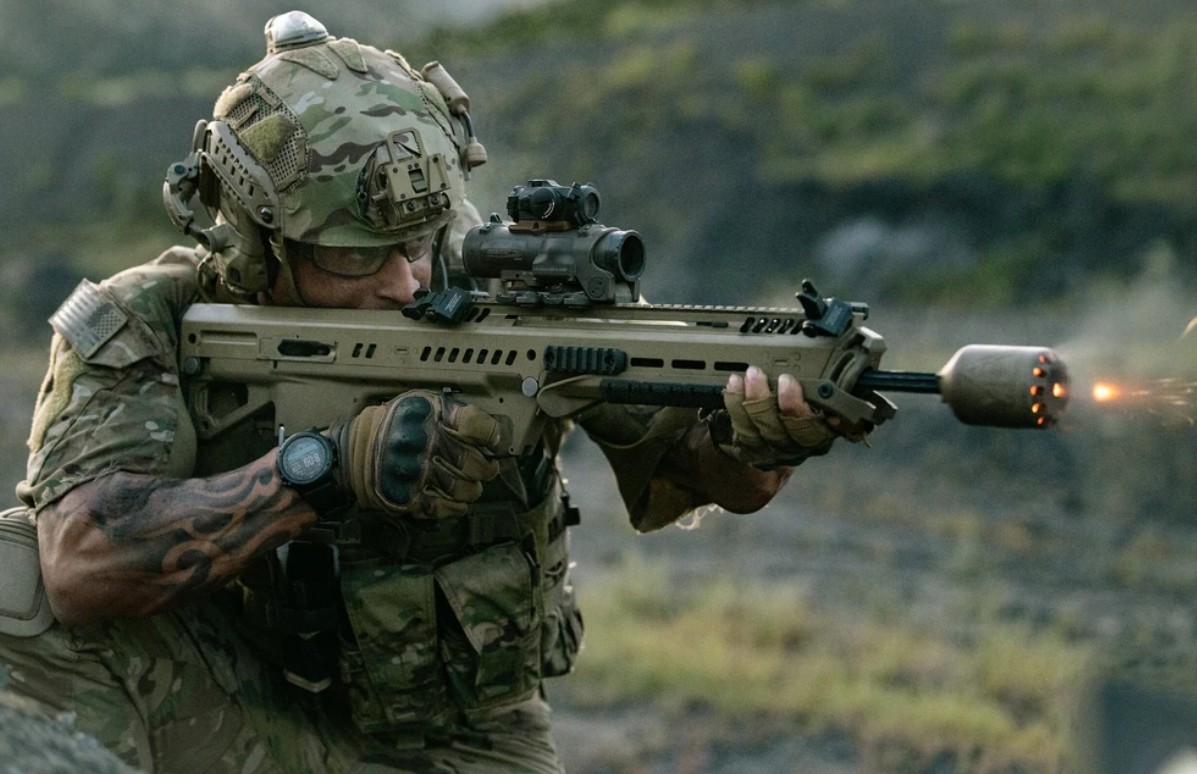
Wearable technology has revolutionized how soldiers perceive their environment. For example, helmet-mounted displays can offer vital information directly within a soldier’s line of sight, including map overlays, enemy locations, and real-time updates. These displays are lightweight and designed for combat conditions, ensuring soldiers receive critical information without distraction or hindrance.
Augmented Reality (AR) Systems
Augmented Reality systems enhance the physical environment with digital overlays, providing soldiers with enhanced visual information that aids in navigation, identification of threats, and coordination with allies. AR headsets can highlight objectives and points of interest, and some systems are equipped with facial recognition to identify friend from foe rapidly.
Unmanned Systems and Drones
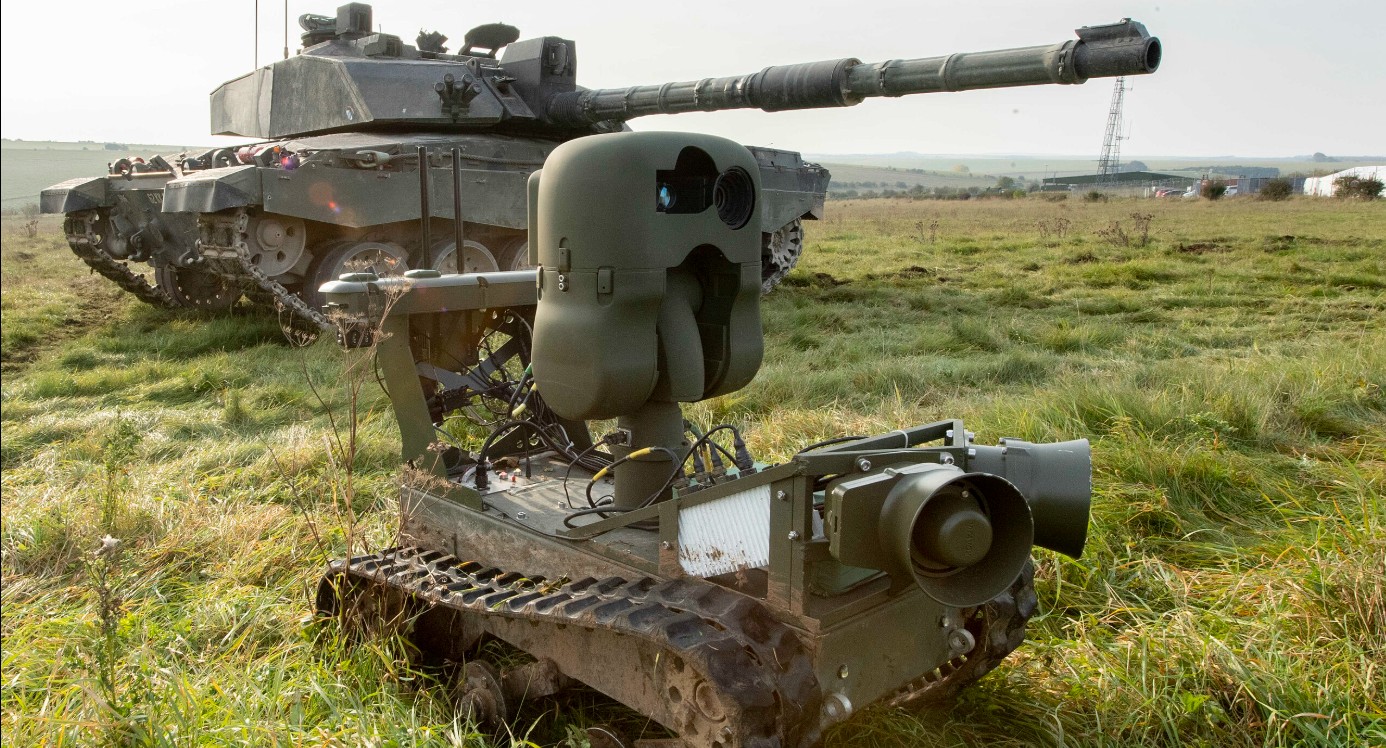
Unmanned Aerial Vehicles (UAVs) and ground drones extend the reach and capabilities of ground forces. These systems offer reconnaissance capabilities that were previously unimaginable, providing live aerial footage and reliable intelligence on enemy positions from a safe distance. Ground soldiers can utilize this information to strategize in real-time without exposing themselves to unnecessary risk.
Advanced Communication Systems
Communication is the backbone of any coordinated military effort. Advances in tactical communication systems have significantly improved the way ground troops share information. Modern radios and communication devices now function beyond simple voice transmission, offering text messaging, data sharing, and integrated GPS capabilities.
Data Analytics and Real-Time Intelligence
The use of big data and analytics in military operations allows for the aggregation and interpretation of vast amounts of information, providing soldiers with actionable intelligence. Data collected from various sources can be analyzed to predict enemy movements, assess risks, and optimize resource allocation. The integration of artificial intelligence (AI) further enhances these capabilities, enabling predictive analysis and decision-making support.
Key Features of Advanced Systems
| Feature | Description |
|---|---|
| Helmet-Mounted Displays | Provides navigation and real-time battlefield data. |
| Augmented Reality Headsets | Offers digital overlays for enhanced situational awareness. |
| Unmanned Aerial Vehicles | Delivers live reconnaissance and tactical data from the sky. |
| Advanced Communication Devices | Facilitates multimedia communication and GPS tracking. |
The Integration of AI and Machine Learning
Artificial intelligence and machine learning are reshaping military tactics by enabling smarter, quicker decision-making processes. These technologies help in processing complex data sets to discern patterns and anomalies, offering ground soldiers predictive insights that were previously inaccessible. Machines can learn from battlefield data, adapting to new warfare techniques and improving their contributions to strategic planning.
Challenges and Considerations
Despite the advantages, incorporating technology into military operations is not without challenges. Issues such as cybersecurity threats, the dependency on electronic devices, and the potential for information overload must be cautiously managed. Training is essential for soldiers to effectively operate advanced systems and understand the limitations and vulnerabilities that accompany technological reliance.
The Future of Situational Awareness Technology
Looking forward, the future of situational awareness technology for ground soldiers promises further innovation and integration. Emerging technologies like quantum computing, improved battery life for wearable tech, and increasingly autonomous systems are expected to continue transforming military capabilities. Collaborative efforts between military institutions and technology developers will be crucial in evolving these technologies while addressing ethical and practical concerns.
The evolution of enhanced situational awareness through technology marks a significant leap for ground soldiers, offering improved safety, efficiency, and strategic advantage. As these technologies advance, they will continue to redefine the modern battlefield, enabling soldiers to operate more intelligently and effectively in the face of evolving threats.