

Overview of the Eurofighter Typhoon
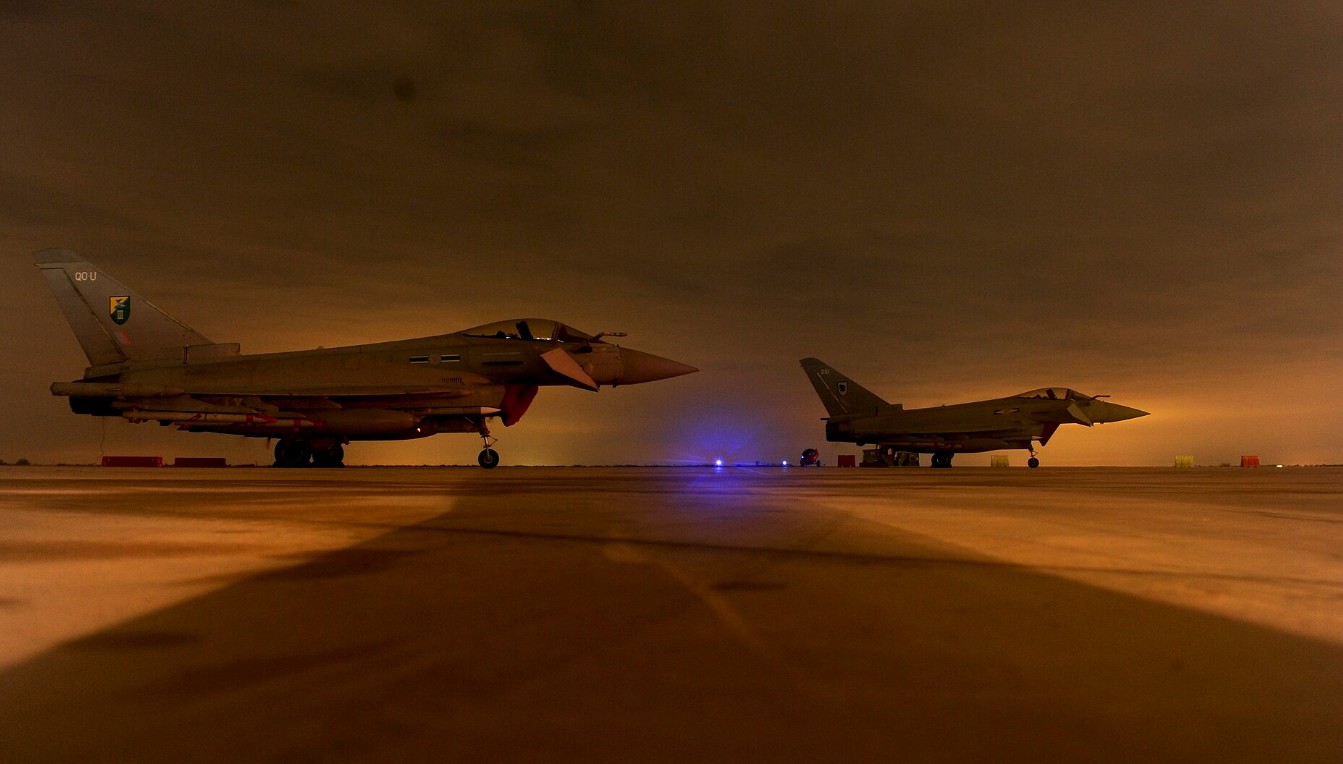
The Eurofighter Typhoon is a twin-engine, canard-delta wing, multirole fighter. Initially entering service in the early 2000s, it was the product of a consortium comprising the United Kingdom, Germany, Italy, and Spain. Since its inception, the Typhoon has continuously evolved with advancements in avionics, weaponry, and mission capabilities, making it one of the most formidable fighters in the world.
The Need for Long-Term Evolution
As threats evolve and defense budgets fluctuate, there is a pressing need to keep the Eurofighter Typhoon not only relevant but also ahead of potential adversaries. The Long-Term Evolution (LTE) program aims to equip the aircraft with state-of-the-art systems and upgrades to ensure competitiveness through the 2060s.
Upgrades Under the LTE Program
The LTE program includes a series of substantial upgrades:
- Advanced Avionics: The integration of advanced sensors and computing capabilities will enhance situational awareness and decision-making.
- New Weaponry: The ability to carry and deploy the latest air-to-air and air-to-ground munitions.
- Enhanced Survivability: Improvements in stealth features and electronic warfare systems.
- Increased Autonomy: Enhanced automated systems to reduce pilot workload during high-stress scenarios.
Table: LTE Program Speculative Specifications
| Attribute | Current Spec | LTE Proposed Spec |
|---|---|---|
| Radar system | CAPTOR-M | Advanced AESA radar |
| Engine | Eurojet EJ200 | Enhanced thrust and efficiency |
| Max speed | Mach 2+ | Mach 2+ with improved efficiency |
| Weapons compatibility | Multinational | Extended suite including laser weaponry |
Technological Innovations Driving Change
Several key technologies are crucial to the Typhoon’s evolution:
- Artificial Intelligence: AI systems are pivotal in processing vast amounts of data from the battlefield, allowing pilots to focus on critical decisions and actions.
- Data Fusion: Integrating data from ground sources, satellites, and other aircraft boosts communication and operational effectiveness.
- Material Advancements: Use of lighter, stronger materials can lead to further improvements in efficiency and maneuverability.
Reflecting on these innovations, the Eurofighter Typhoon’s LTE program stands as a testament to the coalition’s commitment to maintaining air dominance well into the foreseeable future.
Implications for Air Forces
The advanced capabilities brought by the LTE program have profound implications:
- Air forces operating the Typhoon can expect enhanced mission capability, especially in multifaceted threat environments.
- Countries involved in the Eurofighter program can ensure interoperability and strategic advantages over regional threats.
- The upgrades are expected to retain the airframe’s relevance, delaying the need for entirely new platforms.
Training and Operational Changes
With evolving capabilities, aircrew training must also adapt:
- Simulator Enhancements: Training regimens will increasingly rely on advanced simulators to reflect the updated systems.
- New Tactical Doctrine: Pilots and ground crews will require updated training to fully leverage the enhanced capabilities in tactical forms.
Future air operations will leverage these advancements to navigate complex aerial domains efficiently.
International Perspectives
From an international standpoint, maintaining the Eurofighter Typhoon’s competitiveness is essential. The LTE program ensures:
- Continued export potential — Countries looking to upgrade air capabilities will view the Typhoon as a viable, future-proof solution.
- Global Strategic Balance — Ensures that allies of the Eurofighter consortium maintain a technological edge in air power.
Looking forward, the Typhoon ensures a balanced capability that integrates evolving international defense frameworks.
The Eurofighter Typhoon ‘Long-Term Evolution’ program ensures this formidable aircraft remains at the forefront of military aviation technology, maintaining its edge through the 2060s and beyond, ensuring that current and future operators will continue to dominate the skies against evolving threats.