

The evolution of infantry fighting vehicles (IFVs) reflects a significant advancement in military technology, adapting to ever-evolving battlefield requirements. Among these developments, the transition from the BMP-1 to the BMP-3 stands out as a technological leap, showcasing enhanced capabilities for maneuverability, protection, and assault.
The Inception of BMP-1
The BMP-1, introduced in the 1960s, was groundbreaking as it combined the capabilities of an armored personnel carrier and assault gun. This Soviet-designed vehicle was equipped with a 73mm gun and a guided missile system, making it highly versatile on the battlefield. Despite its revolutionary design, the BMP-1 had certain limitations, such as inadequate armor protection against contemporary anti-tank weapons and limited internal space for troops.
Challenges with BMP-1
One major shortcoming of the BMP-1 was its relatively thin armor, which was vulnerable to many types of munitions. As anti-tank guided missile (ATGM) technology advanced, the BMP-1 became progressively less effective at providing safe transport for infantry. Another issue was the modest firepower of its 73mm gun, which struggled against modern tanks and fortified positions.
The Transformation to BMP-2
In response to the limitations of the BMP-1, the BMP-2 was developed. It featured significant upgrades, including a 30mm autocannon, which allowed for better engagement with airborne and lightly armored targets. The BMP-2 also incorporated improved night-vision capabilities and a more powerful engine. This evolution was a critical step in addressing the BMP-1’s deficiencies and adapting to new military strategies.
Advancements in BMP-3
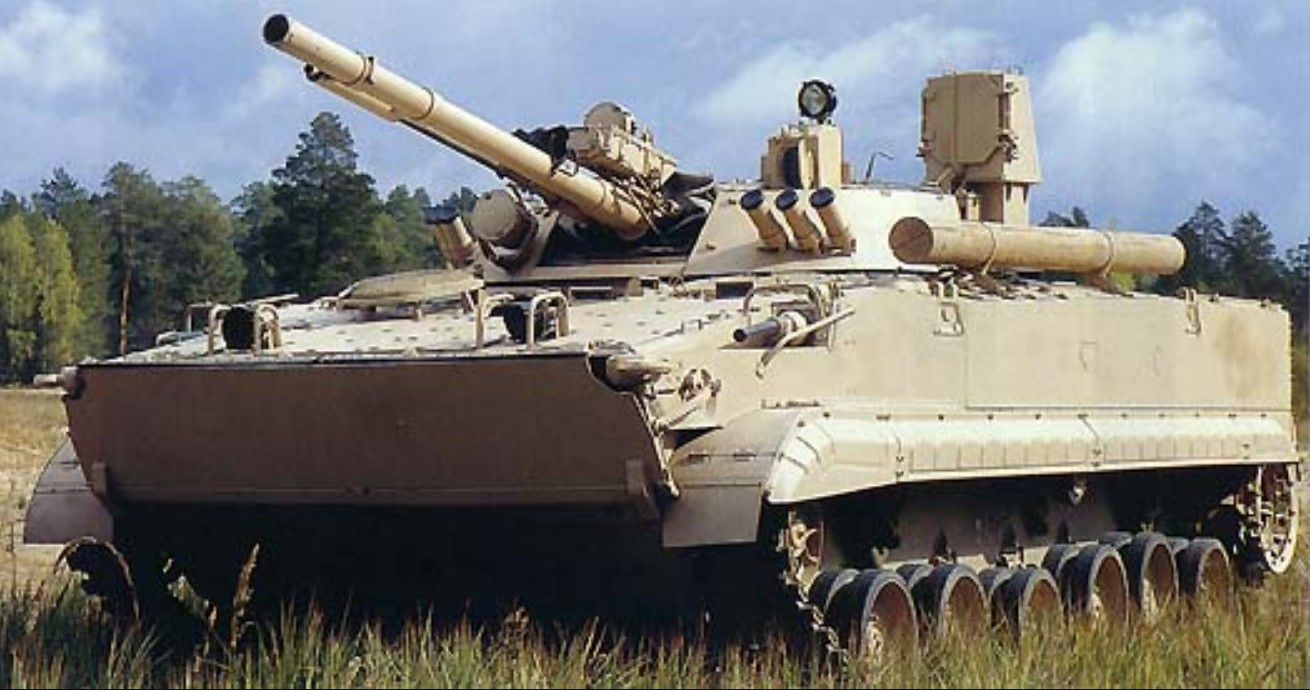
The BMP-3 marked a significant advancement over its predecessors. Recognized for its unique design and capabilities, the BMP-3 is equipped with a 100mm rifled gun that can fire both conventional shells and guided missiles, supported by a 30mm autocannon. These weapon systems ensure the BMP-3’s effectiveness against a wider range of threats, including personnel, armor, and low-flying aircraft.
The BMP-3 enhanced its amphibious capabilities, allowing seamless transitions across water bodies without preparation—a strategic advantage over previous models. Moreover, its advanced forward-looking infrared (FLIR) sensors and laser rangefinders significantly improve target detection and identification capabilities.
Protection and Crew Comfort
The BMP-3 features reinforced armor and improved seating arrangements, enhancing both crew protection and comfort. Innovations such as smoke grenade dischargers and the ability to engage in nuclear, biological, and chemical (NBC) warfare support extend its operational effectiveness in diverse combat environments.
Below is a table presenting some of the BMP-3 specifications:
| Specification | Detail |
|---|---|
| Weight | 18.7 tons |
| Armament | 100mm rifled gun, 30mm autocannon, 3 7.62mm machine guns |
| Engine | UTD-29M diesel engine |
| Speed | 72 km/h on road, 45 km/h off-road |
| Range | 600 km |
| Capacity | 3 crew + 7 passengers |
Operational Impact
The BMP-3’s capabilities allow for enhanced operational flexibility and effectiveness. With its improved weapon systems and defensive measures, it can engage a variety of targets while offering increased survivability for occupants. The vehicle’s suite of sensors and communication tools ensures effective coordination and situational awareness on the battlefield.
The introduction of digital technology further supports its operations, with systems enabling data sharing and real-time decision making crucial for modern warfare’s rapid pace.
The Next Generation of Infantry Fighting
While the BMP-3 continues to serve many armed forces globally, ongoing innovations point to further advancements. Manufacturers are exploring options to integrate unmanned systems and enhance digital integration further.
The evolution from BMP-1 to BMP-3 illustrates the dynamic progression of military engineering, balancing the need for power, mobility, and protection. As technology enhances, future developments will undoubtedly continue to shape the capabilities of these critical battlefield machines.