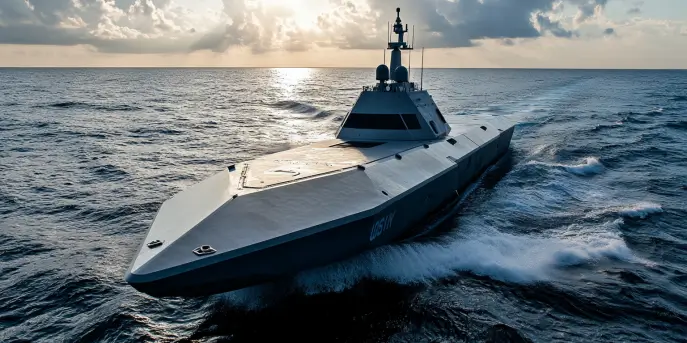



Revolutionizing Mobility with Fly-by-Wire Technology
The advent of fly-by-wire technology marks a significant transformation in the design and functionality of military hovercrafts. Unlike traditional mechanical controls, which rely on manual input and direct connections to control surfaces, fly-by-wire uses electronic systems to process pilot inputs and send signals to various actuators. This technology greatly enhances the precision, reliability, and responsiveness of control systems in adverse environments.
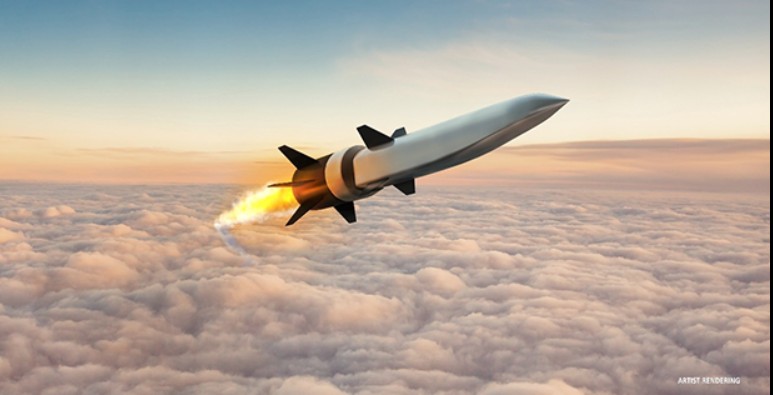
Fly-by-wire systems offer numerous advantages to military hovercrafts. They reduce the weight of mechanical components, improve maneuverability, and provide advanced stability and control characteristics. In combat scenarios, where precision and prompt response are crucial, these systems play a pivotal role. Moreover, fly-by-wire technology allows for sophisticated manual-override and autopilot functionalities, granting military personnel enhanced situational awareness and reduced workload.
Advanced Materials in Hovercraft Construction
The evolution of materials science is another driving factor in the development of next-generation military hovercrafts. Engineers are now employing advanced composites, high-strength alloys, and lightweight polymers to construct robust yet agile hovercraft bodies. These materials offer superior resistance to damage while maintaining necessary stealth and durability.
Advanced materials not only improve structural integrity but also support the integration of cutting-edge technologies. For instance, the reduced weight allows for the incorporation of sophisticated electronics and weapon systems without compromising performance. Furthermore, the stealth capabilities can be enhanced, making hovercrafts less detectable to enemy radar systems, thus providing a strategic edge in reconnaissance and combat operations.
Exploring Cutting-Edge Autonomy
Autonomous operation is no longer a futuristic concept but a growing reality for military hovercrafts. Leveraging artificial intelligence (AI) and machine learning (ML), these vehicles are becoming increasingly capable of executing complex missions with minimal human intervention. Autonomy in hovercrafts furthers mission capabilities, enabling them to undertake diverse tasks ranging from reconnaissance to direct engagement.
Autonomous systems are equipped with advanced sensors and navigation systems that allow them to analyze environments, adapt to dynamic conditions, and make decisions in real-time. This capability is particularly beneficial in hostile territories where human operators wouldn’t dare venture. Moreover, autonomous hovercrafts can work in unison, following predetermined protocols to execute coordinated attacks or surveillance missions, significantly enhancing military strategic capabilities.
Innovative Applications and Tactical Advantages
The synergy of fly-by-wire systems, advanced materials, and autonomous capabilities is setting the stage for a new era of military operations, promising to transform how naval and ground forces are deployed. Future hovercrafts will offer significant tactical advantages by quickly traversing difficult terrain, conducting rapid troop insertions, and evacuating personnel from hostile environments.
The potential applications are expansive. In amphibious warfare, these hovercrafts can easily transition from sea to land, bypassing arduous terrain that would typically hinder traditional vehicles. Similarly, in disaster relief operations, they provide quick and efficient transportation and logistics support, delivering critical supplies to remote locations isolated by natural disasters.
Technical Specifications Example
| Specification | Details |
|---|---|
| Propulsion System | Hybrid Electric-Turbine |
| Maximum Speed | 60 knots |
| Operational Range | 500 nautical miles |
| Cargo Capacity | 30 tons |
| Navigation | GPS-Inertial Navigation System |
| Sensors | Multi-spectral Cameras and LIDAR |
The ongoing research and development efforts are focused on overcoming current challenges, such as optimizing energy consumption, enhancing AI algorithms, and improving the interoperability of autonomous systems with manned units. Furthermore, there is significant interest in developing eco-friendly propulsion technologies to minimize the environmental impact, aligning military advancements with global sustainability goals.
In summary, the future of military hovercrafts is remarkably promising. These marvels of engineering, empowered by fly-by-wire technology, advanced construction materials, and autonomous capabilities, are poised to redefine military strategy and operations on both the seas and land. As technology progresses, the operational effectiveness and versatility of military hovercrafts are only expected to increase, ensuring they remain at the forefront of defense systems worldwide.