



In the realm of modern warfare and defense, technological innovations continue to revolutionize protective gear for soldiers. Among these innovations, graphene stands out as a groundbreaking material with a dual function—serving both as a potential cloaking material and as robust ballistic protection for soldiers. With its extraordinary properties, graphene could transform soldier safety and camouflage on battlefields.


The Wonder Material: Graphene
Graphene is a single layer of carbon atoms arranged in a two-dimensional honeycomb lattice. Isolated in 2004, this wonder material has captivated scientists and engineers due to its remarkable attributes. At just one atom thick, it is the thinnest compound known, yet remarkably, it is also the strongest, theoretically 200 times stronger than steel. Additionally, it showcases impressive thermal and electrical conductivity, flexibility, and transparency.
Graphene as a Cloaking Material
The concept of cloaking, once relegated to the realms of science fiction, is becoming more plausible with materials like graphene. Its ability to manipulate light and other electromagnetic waves presents exciting possibilities for stealth technology. By bending light around an object, graphene coatings could render soldiers nearly invisible or significantly reduce their visible profile on the battlefield.
Cloaking technology using graphene might work through meta-material designs that adjust their electromagnetic properties. The optical properties can be tuned, leading to advancements where soldiers can avoid detection by night-vision equipment or other sensors. While full cloaking remains under research and development, partial solutions like reducing infrared footprints are nearer to practical implementation.
Specifications and Capabilities
| Property | Description |
|---|---|
| Material Thickness | One atom thick |
| Strength | 200 times stronger than steel |
| Flexibility | Highly flexible and durable |
| Conductivity | Excellent thermal and electrical conductivity |
| Transparency | High level of transparency, ideal for coating applications |
Ballistic Protection: A New Era of Soldier Safety
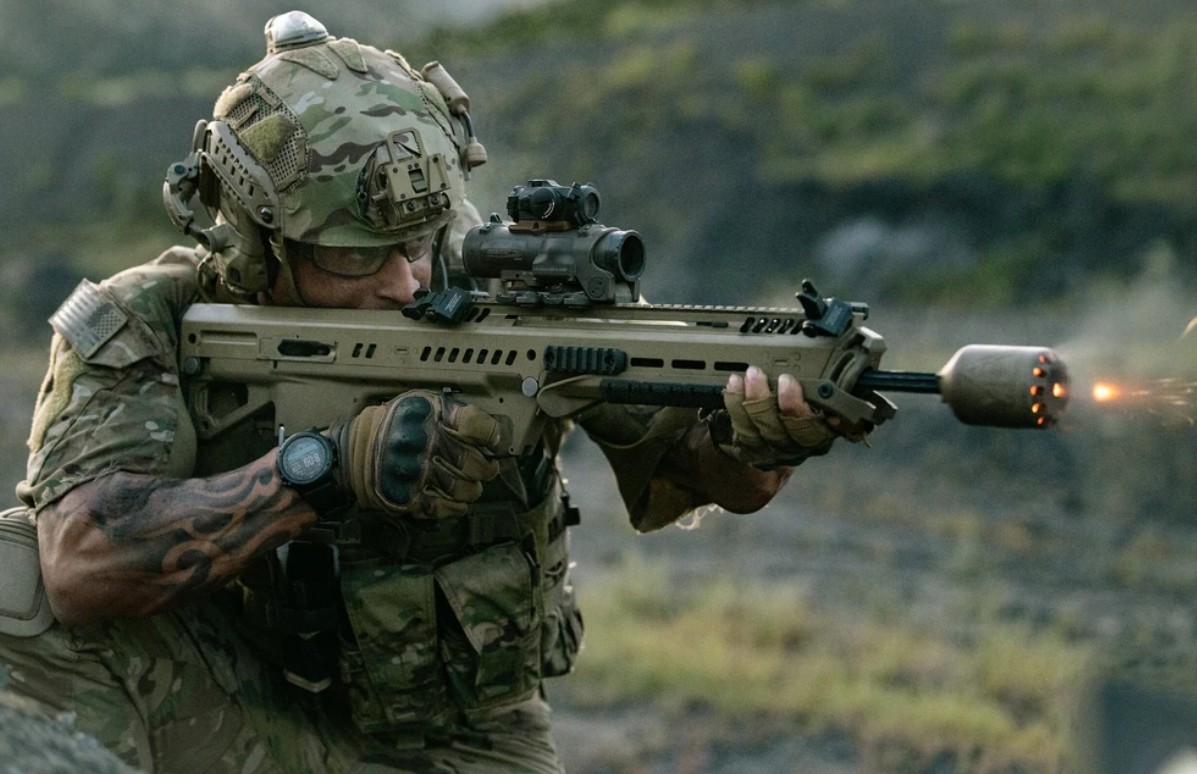
Beyond cloaking, the protective capabilities of graphene are a primary focus. Its strength makes it suitable for creating lightweight yet extraordinarily strong armor for ballistic protection. Traditional body armor can be heavy and cumbersome; however, graphene’s unique structure allows for thinner and more flexible designs without sacrificing strength.
Graphene layers can be engineered into composites that absorb and dissipate the energy from projectiles, effectively stopping bullets and shrapnel. Researchers are experimenting with graphene composites that can be used in helmets, vests, and other protective equipment, offering enhanced mobility along with improved protection. These composites not only add strength but also tackle the challenge of impact resistance and dispersion.
Advancements and Challenges
As promising as graphene’s potential is, challenges remain in scaling production and reducing costs. Producing high-quality graphene on a large scale at a price viable for military adoption is an ongoing research focus. Moreover, the integration of graphene into existing military equipment must meet stringent standards and undergo rigorous testing to ensure effectiveness and safety under combat conditions.
Despite these challenges, the pace of innovation in graphene technology is rapid. Collaboration between military research organizations and private sector companies continues to foster advancements. Early prototypes are encouraging, and although mass deployment of graphene-based protective gear on the battlefield might take time, the future looks promising.
The Impact of Graphene Technology on Future Warfare
Graphene could redefine the future of warfare by enhancing both stealth and protection. As research progresses, graphene may lead to the development of new tactical gear that offers soldiers an unprecedented combination of invisibility and invincibility. The implications extend beyond individual soldier safety to broader strategic advantages in combat.
- Increased Mobility: With lighter armor, soldiers can move more quickly and easily, adapting swiftly to changing battlefield conditions.
- Improved Stealth: Reduced visibility and detectability by enemy sensors could result in tactical advantages, helping forces maintain the element of surprise.
- Cost Efficiency: While initial costs might be high, long-term benefits and potential life-saving capabilities could justify the investment in developing graphene technologies.
As we advance into the future, the role of materials like graphene in military applications offers a glimpse into the next era of innovative defensive technologies. With ongoing research and development, the potential for graphene to save lives and alter tactical dynamics on the battlefield is substantial.