

Robotic arms and autonomous systems have revolutionized the field of space exploration. Starting with rudimentary mechanical designs, these systems have evolved to become critical components in the success of various space missions. Their ability to operate in the harsh, unpredictable environment of space has not only expanded the horizons for space agencies around the world but has also opened new possibilities for research and understanding of the cosmos.


The Role of Robotic Arms in Space Missions
Robotic arms have been indispensable in the realm of space missions. Their precision and capability to function in zero-gravity conditions make them ideal for tasks that require a high level of manipulation and dexterity, such as repairing satellites, assembling space structures, and even aiding astronauts in their missions.
One of the most notable examples is the Canadarm2, a larger and more capable iteration of the original Canadarm used on the Space Shuttle. This advanced piece of technology is crucial for the International Space Station (ISS) operations, facilitating roles such as docking incoming spacecraft, installing new parts, and supporting astronauts in their extravehicular activities (EVAs).
Autonomous Systems: A New Era of Space Exploration
As space exploration missions venture further from Earth, the role of autonomous systems becomes increasingly significant. These systems allow missions to proceed with minimal human intervention, a necessity given the communication delays that can occur over vast distances. Autonomous systems analyze their environment, make decisions, and perform actions with a level of reliability that ensures mission objectives are met efficiently.
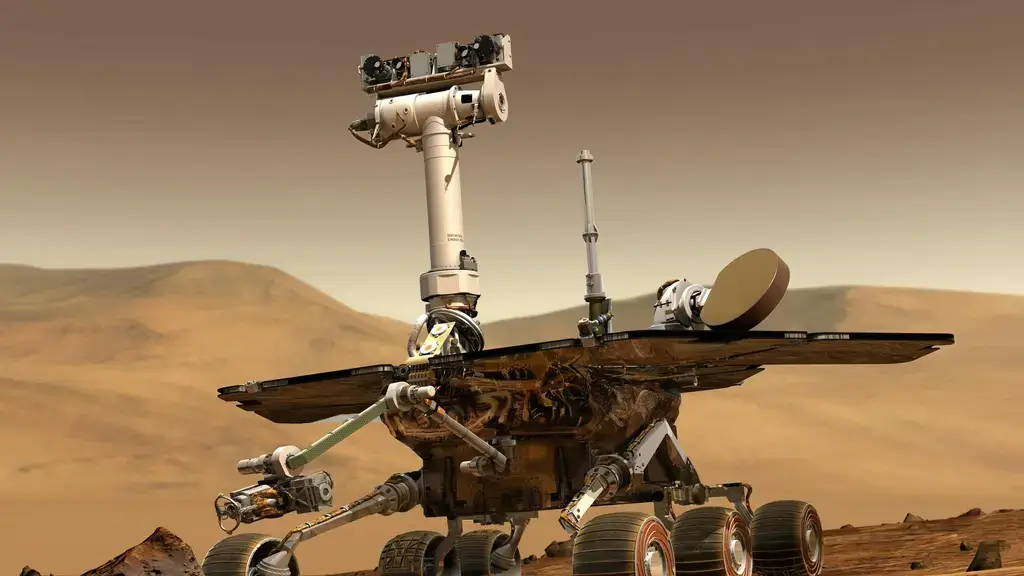
NASA’s Mars Rover missions are perfect examples of the importance of autonomy. The rovers Spirit, Opportunity, Curiosity, and Perseverance have all been equipped with autonomous navigation systems that allow them to execute daily plans sent from Earth, along with making real-time decisions to avoid obstacles and choose paths that maximize their scientific returns.
Innovations Driving Future Possibilities
The continuous advancements in robotic and autonomous systems are paving the way for more ambitious space missions. Upcoming technologies include intelligent robotic swarms that can conduct more complex scientific experiments and autonomous spacecraft capable of prolonged missions in deep space.
Moreover, the development of AI-driven systems is enabling robotic spacecraft to perform delicate maneuvers. For instance, capturing and redirecting asteroids—a mission plan under NASA’s Asteroid Redirect Mission—will rely heavily on this evolving tech. AI’s role in processing vast amounts of data to facilitate better decision-making during missions is another crucial aspect of future space explorations.
International Collaboration and Future Prospects
International cooperation among agencies like NASA, ESA, and JAXA continues to push the boundaries of what robotic and autonomous systems can achieve. Projects such as the Lunar Gateway, which will serve as a staging point for missions to the Moon and beyond, illustrate how robotic automation will be integral to operational success and sustainability in space.
It’s clear that the trajectory of robotics in space exploration is on an exciting path. With the continued synergy of global efforts and technological innovation, robotic arms and autonomous systems will undoubtedly play a vital role in our quest to explore the final frontier.