


The Rise of Hypersonic Technology
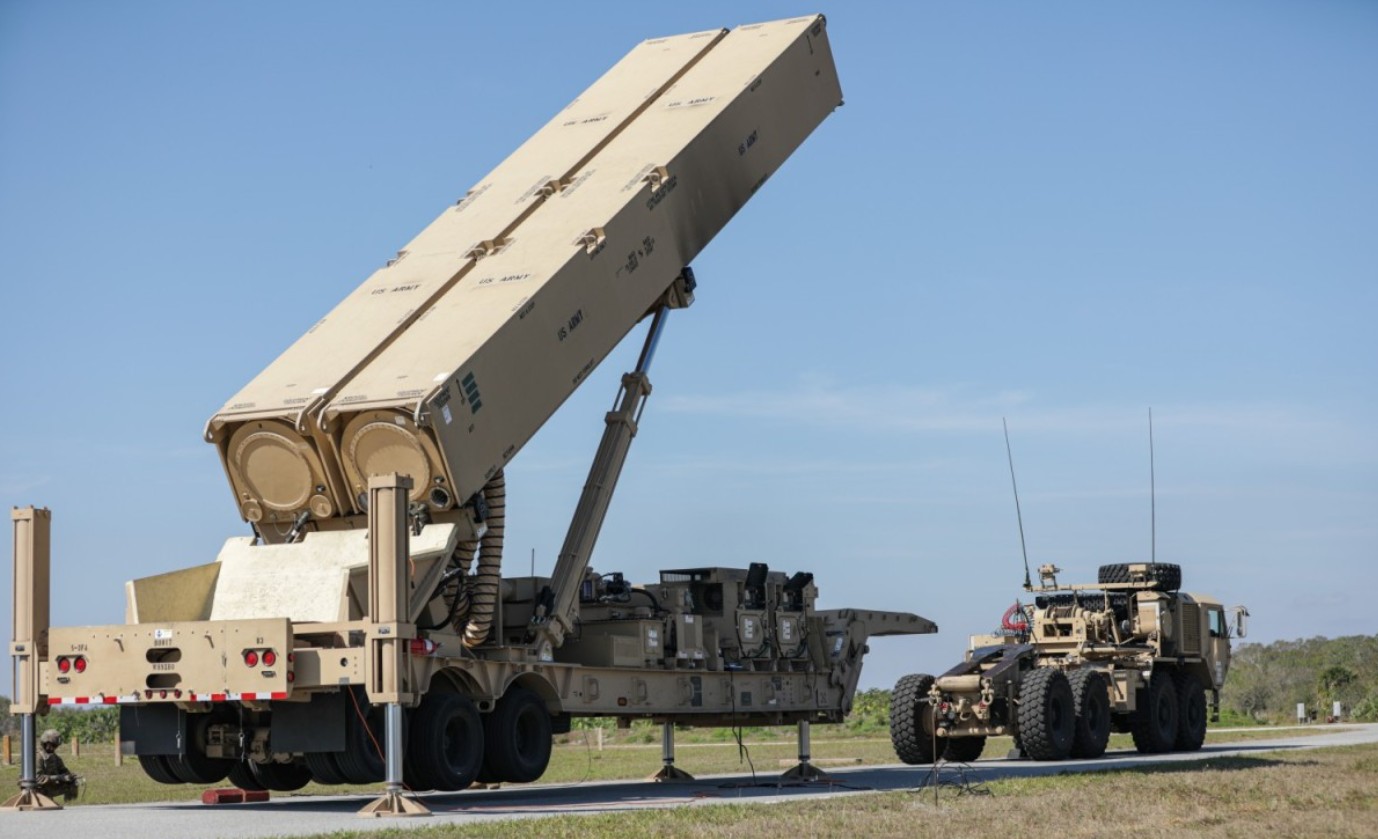
The rapid evolution of military technology has ushered in a new era of defense capabilities, among which hypersonic missiles have emerged as significant game-changers. These missiles, capable of traveling at speeds exceeding Mach 5, represent a leap in technological advancements that could redefine how conflicts are approached. Central to this development is the United States’ “Dark Eagle” program, which exemplifies cutting-edge advancements in hypersonic missile technology.
What Makes Hypersonic Missiles Special?
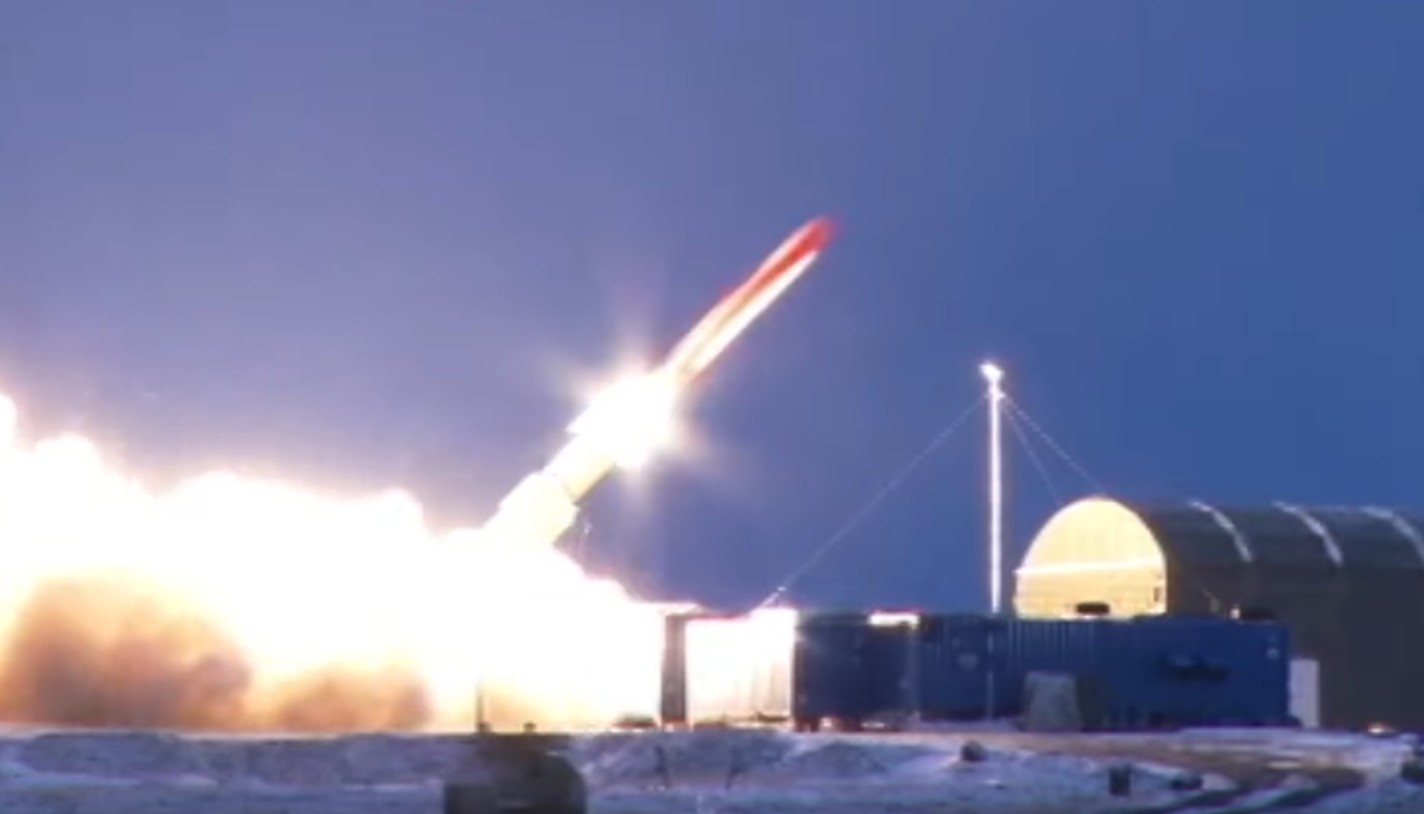
Hypersonic missiles stand out because of their extraordinary speed and maneuverability. Unlike traditional ballistic missiles, which follow a predetermined trajectory, hypersonic missiles can change course mid-flight, making them difficult to track and intercept.
Key Features of Hypersonic Missiles:
- Speed: Traveling at speeds greater than five times the speed of sound (over 3,800 miles per hour).
- Maneuverability: Capable of evasive actions and trajectory adjustments.
- Precision: Designed for accurate strikes even at high velocities.
These features make hypersonic missiles, including the “Dark Eagle,” a formidable addition to any military arsenal.
The “Dark Eagle” Program
The “Dark Eagle” is the latest hypersonic missile initiative developed by the United States Army. This program focuses on creating an advanced weapon system that can be rapidly deployed and integrated into existing military frameworks. Let’s delve into the characteristics that set “Dark Eagle” apart.
| Feature | Specification |
|---|---|
| Speed | Exceeds Mach 5 |
| Range | Over 1,400 miles |
| Warhead | Conventional or nuclear capable |
| Deployment | Ground-based launcher |
Enhanced Capabilities
The “Dark Eagle” is equipped with state-of-the-art guidance systems that enhance its precision and efficiency. By integrating advanced computer systems and real-time data processing, the missile can adjust its trajectory, enhancing its ability to evade anti-missile defense systems. Furthermore, its ability to be launched from ground-based platforms adds to its operational flexibility.
“The development of ‘Dark Eagle’ marks a pivotal change in our strategic defense initiatives,” said a senior defense official. “It is crafted not just to meet today’s demands but to anticipate future conflicts.”
Strategic Implications
Deploying hypersonic missiles like “Dark Eagle” has significant strategic implications. First, their rapid response capability allows for precision strikes on critical targets with minimal warning. This ability can deter potential aggressors by minimizing their reaction time.
Secondly, these missiles enhance the United States’ ability to maintain a balance of power on the global stage. Their mere presence could discourage adversaries from pursuing aggressive actions and prompt them to seek diplomatic solutions instead.
Challenges and Ethical Considerations
Despite their potential, hypersonic missiles, including “Dark Eagle,” present several challenges. Developing these missiles involves complex engineering tasks and substantial financial investment. Moreover, their deployment raises ethical questions, such as the potential for escalation in an arms race or unintended collateral damage due to their speed and destructive power.
Efforts must be made to establish international norms and agreements to govern the use of hypersonic technology, ensuring it does not destabilize global peace and security.
The Future of Hypersonic Technology
The advancements in hypersonic technology signify a pivotal shift in military strategy and technology. As the “Dark Eagle” moves closer to operational deployment, it is poised to become a cornerstone of the United States’ defense strategy, alongside other hypersonic projects being developed worldwide.
In anticipation of their growing role, countries are investing heavily in defense research and development programs to counteract or utilize hypersonic technology. This creates a competitive landscape where technological innovation becomes a priority.
While “Dark Eagle” is a testament to U.S. technological prowess, continuous research and international collaboration are necessary to address the broader implications of its deployment. As hypersonic technology becomes more prevalent, its impact will resonate beyond defense, influencing areas like aerospace, transportation, and global security strategies.