

The Fiery Power of Incendiary Weapons
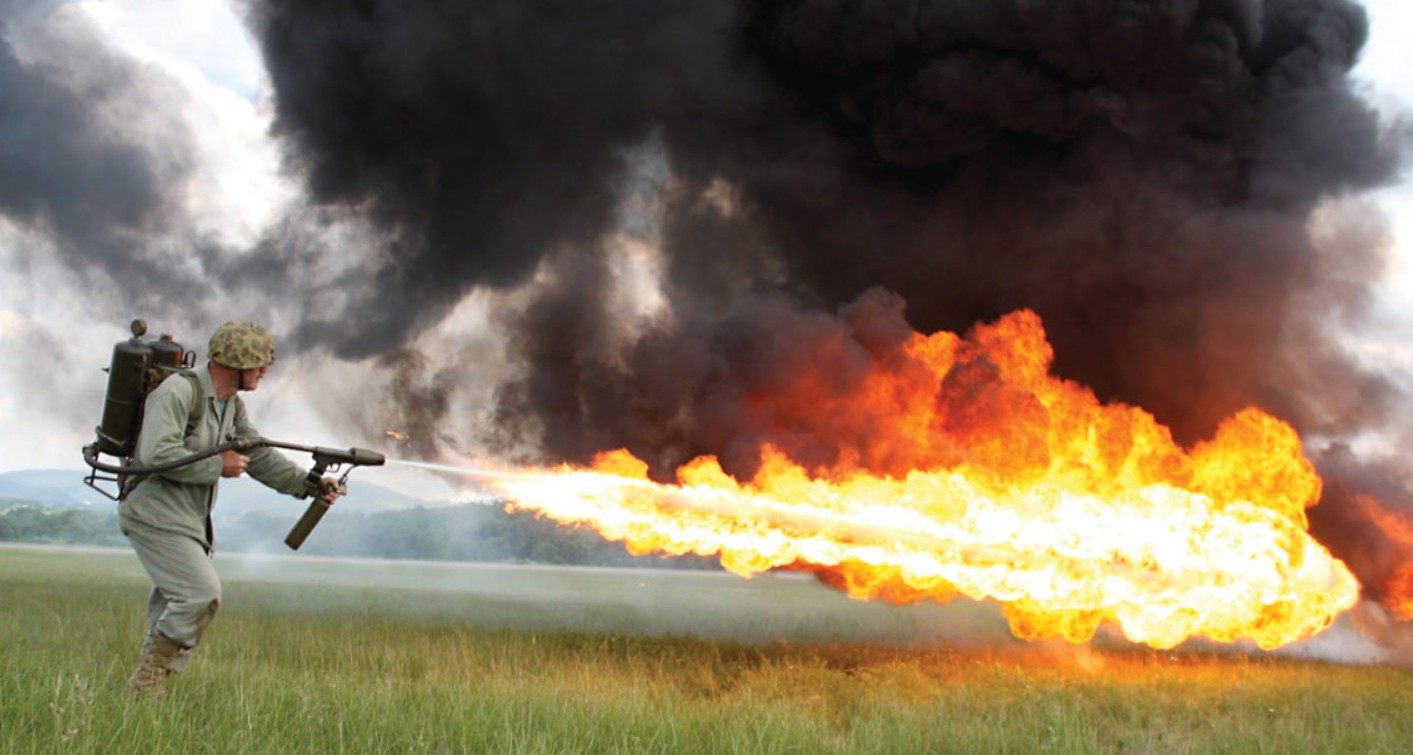
Incendiary weapons, notorious for their devastating fire-starting capabilities, have been used extensively in various forms throughout history. **Fire**, as a weapon, has ancient roots, providing both psychological and tactical advantages. However, the consequences of using such weapons have led to strong international condemnation and legal restrictions.
The Mechanics of Incendiary Weapons
Incendiary weapons are designed to inflict damage via **intense heat and fire**. The most common chemical compounds used in such weapons include napalm, thermite, and white phosphorus. These substances ignite easily and burn at extremely high temperatures, making them effective for rapid destruction and area denial operations.
White phosphorus, for instance, is particularly insidious. It ignites upon contact with oxygen and continues to burn until deprived of it, causing severe burns that can reach down to the bone.
Historical Use and Controversy
Historically, incendiary weapons have been employed because of their ability to disrupt enemy formations and destroy supplies. During World War II, incendiary bombs were used extensively in urban bombings. The firebombing of Dresden and Tokyo are infamous examples that exemplified their destructive capacity. The **controversy** over their use stems from the indiscriminate nature of their effects, causing horrific injuries to both combatants and civilians.
The Vietnam War saw the prominent use of napalm, leading to widespread international protest and horror, further influencing public opinion against incendiary weapons.
International Law and Treaties
The global community has sought to regulate the use of incendiary weapons through various international treaties and laws, recognizing the humanitarian impact and the long-term ecological consequences they bring. The Protocol III of the Convention on Certain Conventional Weapons (CCW) is a pivotal legal document that seeks to limit the use of incendiary weapons. Adopted in 1980, this protocol restricts the use of air-delivered incendiary weapons in areas with significant civilian presence.
However, it is crucial to note that the protocol does not completely ban the use of incendiaries, thus allowing some situations where they can be deployed under strict conditions.
| Specification | Description |
|---|---|
| Material | Napalm, Thermite, White Phosphorus |
| Ignition | Contact with Oxygen or Mechanical Trigger |
| Effect | High Temperature Burns, Area Denial |
| Regulation | Protocol III of CCW |
Modern-Day Incendiary Weapons
Today, while many states hold incendiary weapons in their arsenals, their use is heavily scrutinized and often criticized. Modern military strategy tends to favor precision over area effect weapons, making incendiaries less prominent on the battlefield. However, reports have emerged from contemporary conflicts where incendiary weapons were allegedly used, raising ethical and legal questions regarding their application.
Debate on Ethical Use
The **ethical debate** surrounding incendiary weapons continues to evoke strong emotions and diverse opinions. Proponents argue that when used in compliance with international law, these weapons serve legitimate military objectives and can help avoid prolonged engagements. Critics, however, highlight the indiscriminate and often uncontrollable nature of fire, which inherently fails to differentiate between military targets and civilians.
Efforts to increase transparency and accountability emphasize the need for further restrictions and prioritization of non-lethal alternatives.
Future Outlook and Technology
Looking ahead, significant research is directed towards developing incendiary devices that minimize unintended harm, with a focus on advanced targeting systems and controlled combustion characteristics. Additionally, technology could cater to novel enforcement mechanisms ensuring compliance with international protocols.
The field of **artificial intelligence** and precision-guidance technology is promising, with potential to transform incendiary weapons into more controlled and discretional tools, although the humanitarian push is towards their complete disuse.
In conclusion, while the strategic allure of incendiary weapons continues, the imperative to limit civilian suffering and adhere to humanitarian laws fuels the ongoing debate over their role in modern warfare.