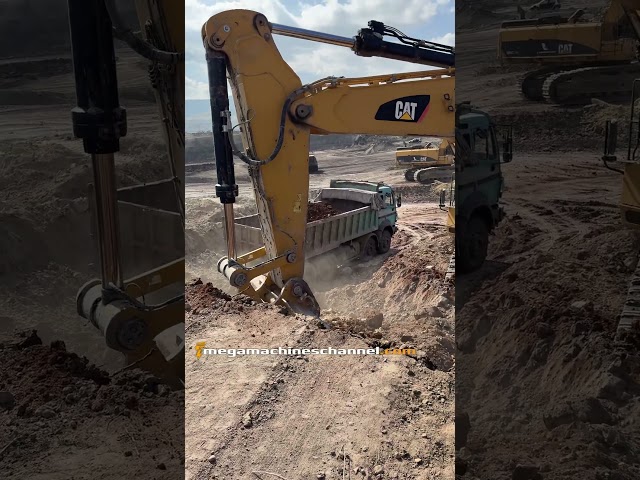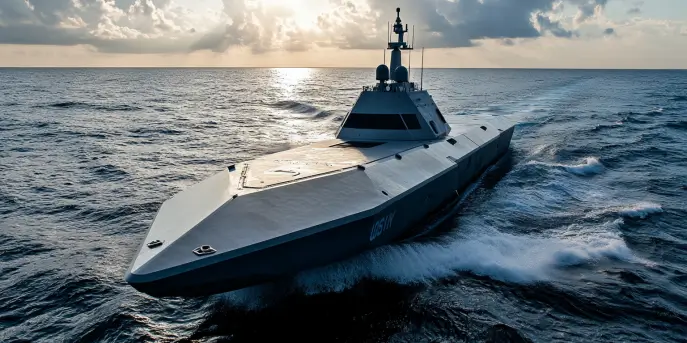


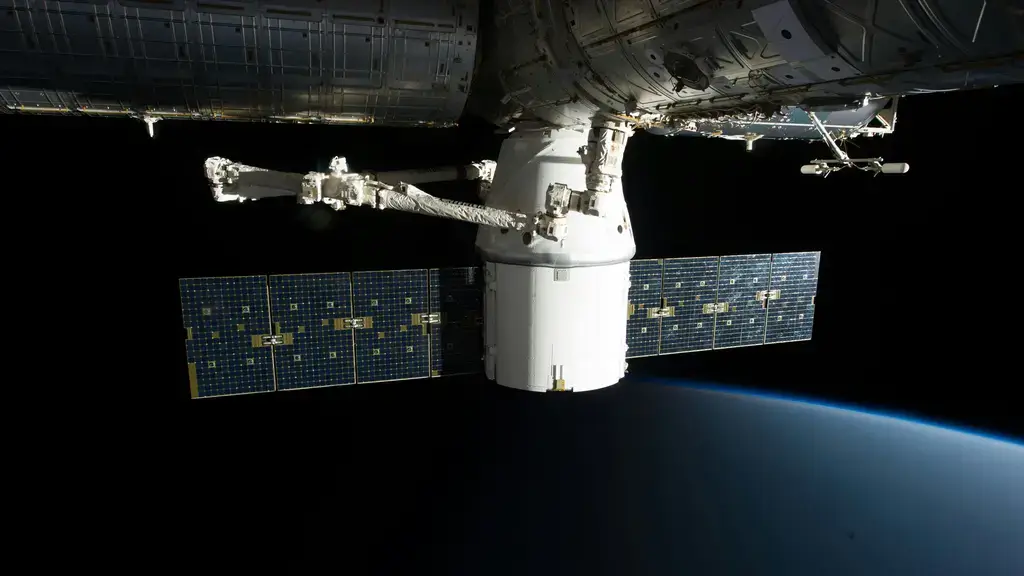
In a world that marvels at technological advancement, there’s a special place in our hearts and minds for the colossal, industrial giants of engineering: machines that weigh over 1,000 tons. These behemoths are not only feats of human ingenuity but also symbols of progress, capability, and sheer power. Their presence is felt both in the industries they revolutionize and in the imaginations they inspire.

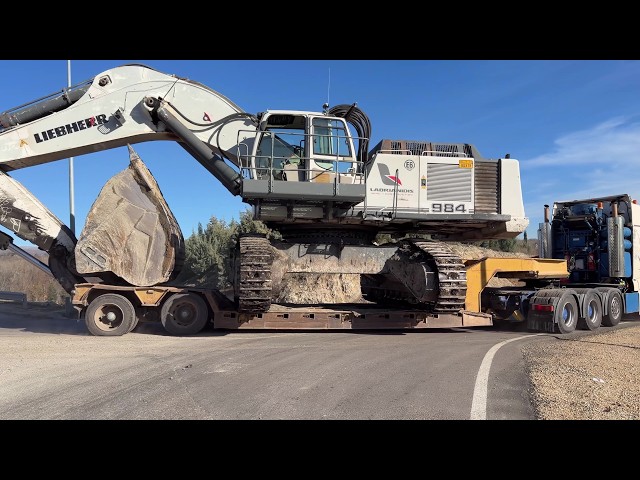
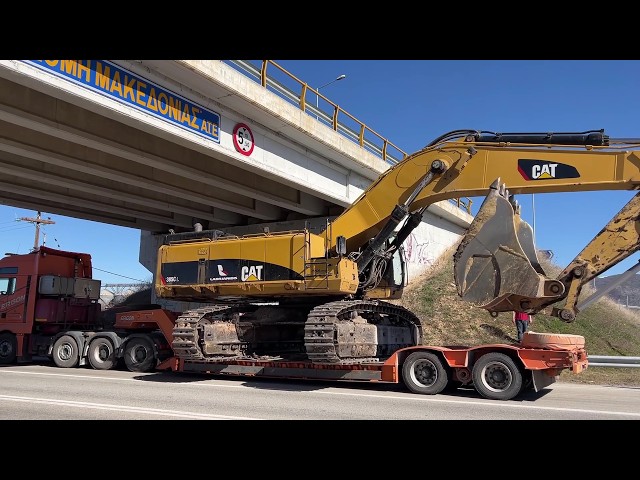
The Awe-Inspiring Scale of Heavy Machinery
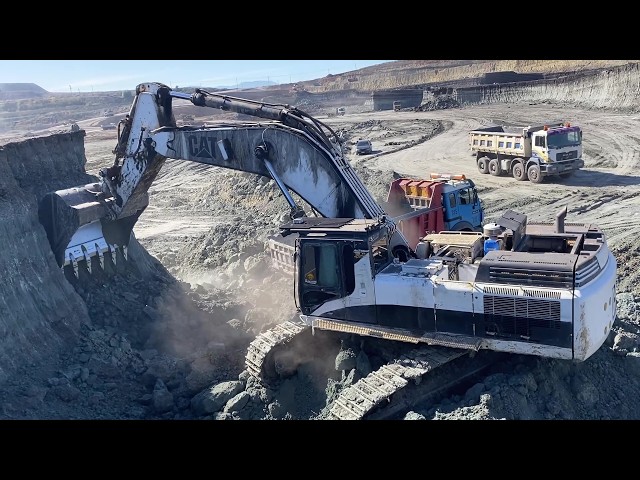
There’s something inherently captivating about machines of gargantuan proportions. They stir a sense of awe and wonder, often leaving us to ponder the capabilities required to conceive and construct such entities. Whether seen at a shipyard, witnessed moving earth on a grand scale, or performing delicate operations in the vastness of space, these machines command attention.
Ships like the Prelude FLNG are prime examples of such magnificence. The Prelude is the world’s largest floating liquefied natural gas platform, measuring almost 488 meters long and weighing approximately 600,000 tons. It’s a floating leviathan capable of processing and liquefying gas all while stationed offshore. Constructed with cutting-edge technology, it serves more than its practical function; it signifies human progress in harnessing and utilizing valuable resources.
Meticulous Engineering in Enormous Structures
The construction and maintenance of these machines require a level of precision and engineering expertise that matches their size. Each bolt, weld, and component must adhere to rigorous standards to ensure operational integrity and safety. Consider the towering bucket-wheel excavators, like the Bagger 293, which are among the largest land vehicles on Earth. Operating in German coal mines, this machine stands at around 96 meters high and 225 meters long, weighing in at over 14,000 tons. It possesses the capability to move 240,000 cubic meters of earth daily, effectively transforming landscapes while allowing engineers to innovate further.
Such innovations are not limited to terrestrial applications. The space sector sees the extensive use of large machines too. The International Space Station (ISS) is a marvel of modular construction, orbiting Earth with an approximate mass of 420 tons (or more, when fully loaded). Each module crafted with precision and care, the ISS stands as a testament to international collaboration and the boundary-pushing nature of human ambition.
Economic Drivers and Industrial Giants
Massive machines play crucial roles in the global economy, particularly in sectors like mining, shipbuilding, and transportation. For instance, the BelAZ 75710, known as the world’s largest haul truck, weighs around 360 tons unladen and can carry an additional 450 tons of payload. This colossal machine is instrumental in mining operations, vastly increasing efficiency by transporting massive loads in fewer trips. Its development answers the increasing demand for raw materials, reflecting its economic significance.
The shipping industry also benefits remarkably from the engineering of large ships. The Emma Maersk class ships revolutionized cargo shipping with their capacity to ferry over 18,000 twenty-foot containers (TEU) across the oceans. Weighing upwards of 200,000 tons when fully loaded, these vessels exemplify logistical triumphs that support international trade and the globalized economy.
The Intricacies of Operating Mega Machines
Operating machines of such magnitude comes with numerous challenges. Skilled professionals are imperative to handle these giants efficiently. Extensive training and a deep understanding of the machine’s mechanics and electronic systems are prerequisites.
Maintenance is another crucial aspect, given the potential safety risks involved. Frequently, these machines require ongoing inspections, diagnostics, and bespoke parts for repair, often involving intricate coordination among specialist teams. This ensures longevity and safety, preventing failure that could lead to staggering operational and financial losses.
Environmental Impact and Sustainability
While these machines are fundamental to progress, their environmental impact cannot be overlooked. The carbon footprint of operating such mechanical giants can be immense. To address this, there’s a growing shift towards sustainability. Innovations include retrofitting older machines with more efficient engines and exploring alternative fuels. The shipping industry, for instance, is experimenting with liquefied natural gas and other cleaner technologies to reduce emissions.
Sustainable mining practices are also emerging, with a focus on minimizing ecological disruption. Companies are investing in technology to reduce the land and energy impact of operations, bringing about a more balanced approach to exploration and extraction.
The Legacy of Massive Machines
Machines weighing over 1,000 tons are more than just tools or pieces of equipment; they are embodiments of human advancement. They illustrate our capacity to build, innovate, and push the boundaries of possibility. While they facilitate economic growth and enhance capabilities across various sectors, they also remind us of our responsibility to mitigate their environmental impacts.
As we forge ahead, these monumental machines will continue to play pivotal roles in shaping industries and our future, solidifying their status not only as instruments of utility but also as icons of industrial prowess and progress.