

The Shifting Sands of Warfare
In the ever-evolving landscape of modern warfare, the Russo-Ukrainian war has served as a pivotal learning experience, highlighting the obsolescence of certain military tactics that once dominated 20th-century battlefields. With technological advancements and changing geopolitical dynamics, military strategies have had to adapt rapidly. Understanding these changes is crucial for military planners and strategists worldwide.

The Decline of Conventional Large-Scale Forces
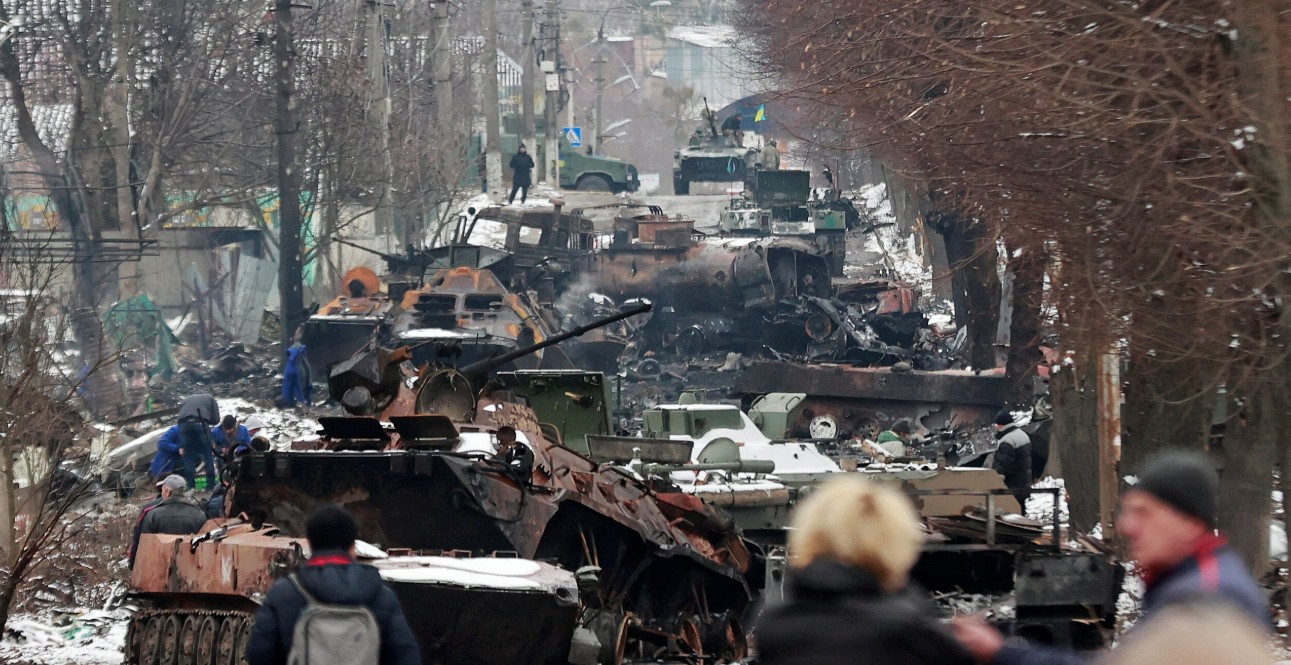
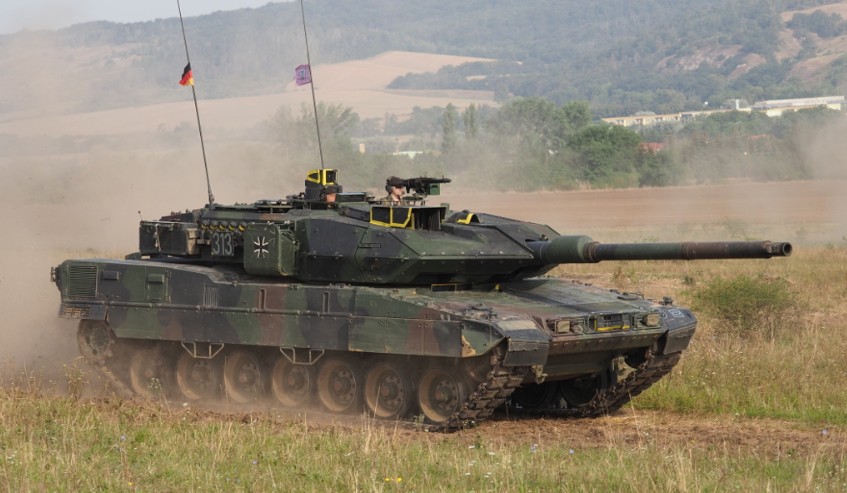
The Russo-Ukrainian conflict underscores the declining utility of conventional large-scale forces. While mass mobilization and enormous formations were once strategic mainstays, these have proven ineffective in the face of modern threats, which are more asymmetric in nature. The ability to maneuver swiftly, utilize intelligence in real-time, and deploy technological assets has trumped sheer numerical strength.
Technological Advancement: A Double-Edged Sword
Technology has become both an asset and a threat. Cyber warfare, digital intelligence gathering, and drone capabilities have moved to the forefront. This conflict has demonstrated the obsolescence of tactics that rely heavily on traditional communication lines and slow decision-making processes. The future belongs to those who can outpace their adversaries in information processing and technological deployment.
Urban Warfare: A Tactical Re-education
Urban warfare, with its inherent complexity and high civilian risk, has set the stage for new military doctrine. The Russo-Ukrainian war has shown that traditional sieges and blockades are less effective in urban settings where guerrilla tactics and improvised defenses are prevalent. This necessitates new approaches, focusing on minimal collateral damage while ensuring strategic objectives are met.
Table: Comparative Analysis of Military Tactics
| Tactic | Traditional Approach | Modern Adaptation |
|---|---|---|
| Large-Scale Infantry Deployment | Mass mobilization | Specialized, agile units |
| Communication | Radio transmissions | Secure, rapid digital systems |
| Intelligence Gathering | Spy networks, reconnaissance | Satellite, drones, cyber intelligence |
The Role of Cyber Warfare
Cyber capabilities have reshaped the battlefield. In the Russo-Ukrainian context, hacking attempts, misinformation campaigns, and strategic cyberattacks have taken precedence over traditional artillery barrages. Military forces must now integrate cyber units into their planning, ensuring defenses are as robust in digital realms as they are on the ground.
Logistics in Modern Warfare
Another lesson of modern conflicts is the importance of logistics and supply chains. Traditional methods of supply line management have become inefficient in fast-moving combat scenarios. Autonomous delivery systems, mobile command centers, and adaptive supply chains have become essential in maintaining operational tempo and ensuring sustained combat effectiveness.
Human Factor: Psychological and Moral Considerations
While technology dominates discussions about modern warfare, the human factor remains crucial. The impact of warfare on soldiers’ psychology and morale cannot be overlooked. The Russo-Ukrainian war has amplified the significance of adaptable leadership, rapid decision-making under pressure, and the welfare of combatants and civilians alike. Understanding these human aspects will be vital for developing a holistic approach to future conflicts.
Learning from the Past, Preparing for the Future
As military forces worldwide take stock of the Russo-Ukrainian war, it’s imperative to not only learn from the tactical mistakes observed but also to innovate continuously. Striking a balance between tradition and innovation will be the key to developing resilient and forward-thinking military strategies. By abandoning obsolete tactics and embracing new technologies and methodologies, future conflicts can be managed more effectively, minimizing loss and maximizing strategic outcomes.