

The development of military uniforms has been an integral part of warfare throughout history, serving not only as a practical need for protection and utility but also as a symbol of national pride and military prowess. Over the centuries, advancements in technology and the changing nature of warfare have led to a continuous evolution in military uniform design. This article explores the journey from simple pattern evolution to sophisticated adaptive camouflage systems.

A Brief History of Military Uniforms
In the early days of organized warfare, soldiers wore armor and uniforms that were more ornamental than functional. However, as warfare tactics evolved, so too did the needs for more practical attire. In the 19th century, the Industrial Revolution brought about significant changes, with the introduction of mass production methods and synthetic dyes, allowing for more standardized and durable uniforms.
During World War I, the need for effective camouflage became evident as the technological capabilities of detection improved. Thus began the quest for patterns that could effectively blend soldiers into varying natural environments.
Pattern Evolution: From Plain to Disruptive
The first significant step in uniform camouflage was the introduction of solid colors designed to blend in with a particular environment. For instance, the British initially used khaki, a term derived from the Persian word for ‘dust,’ to blend into arid environments.
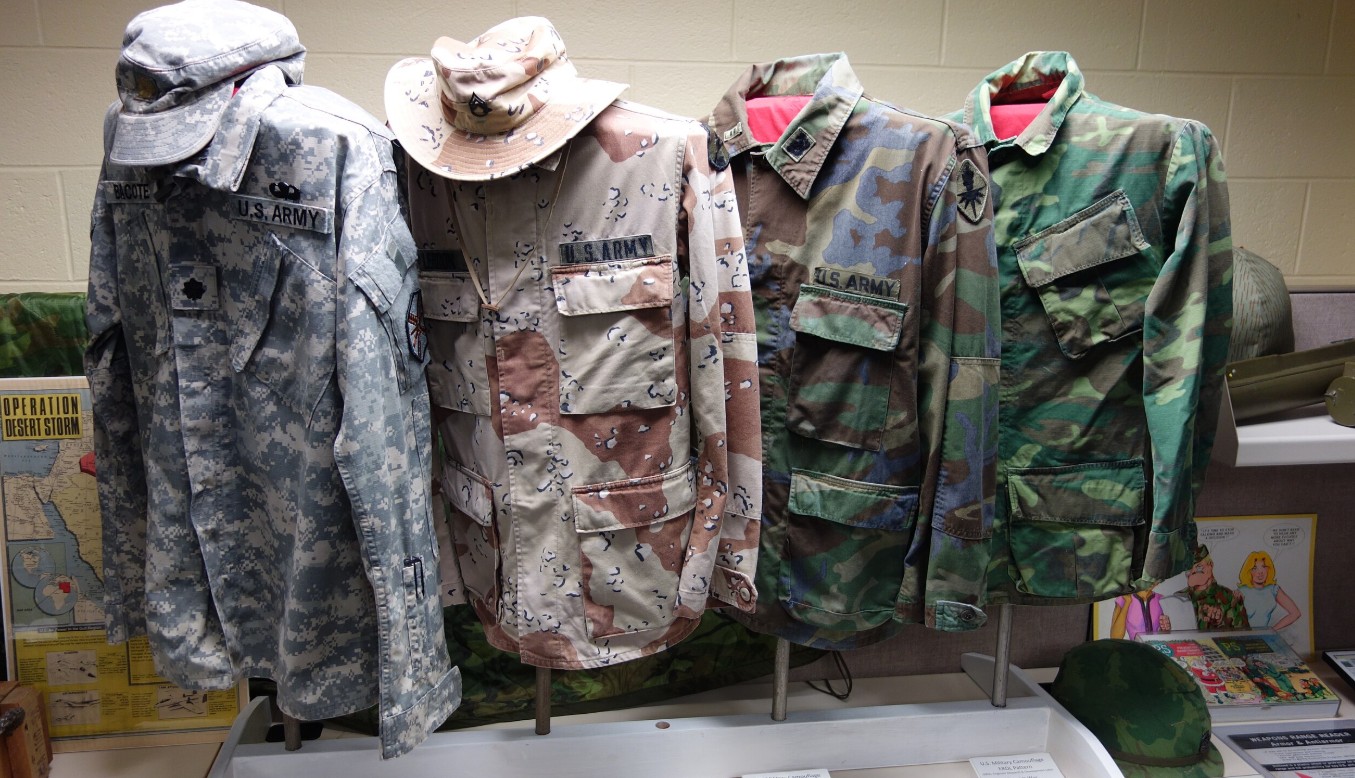
As warfare spread to more diverse environments, the limitations of single-color uniforms became apparent. In response, patterns emerged to disrupt outlines and provide better concealment. One of the earliest patterns was the ‘frogskin’ pattern used by the U.S. Marines during World War II, characterized by its mottled green and brown appearance.
The Rise of Digital Camouflage
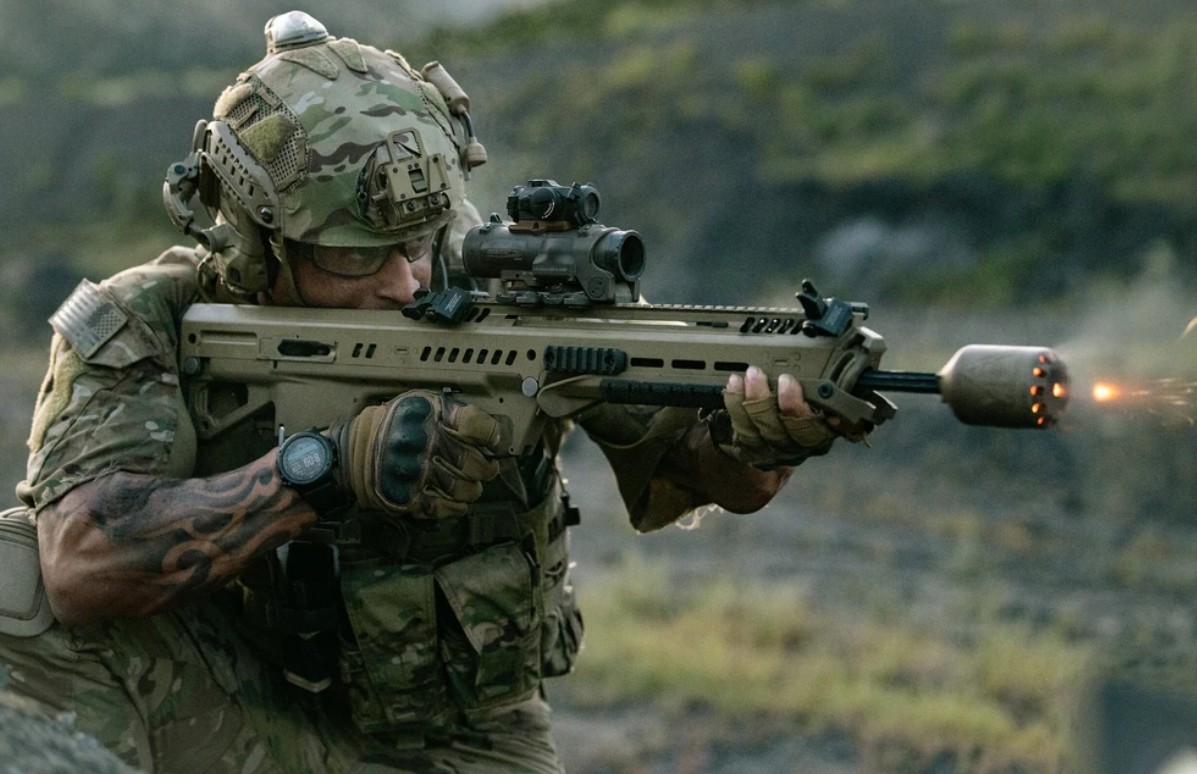
With the advent of the digital age, militaries around the world began adopting digital camouflage, a pixelated pattern that uses macro and micro patterns to confuse the human eye and counteract detection by both visual and infrared sensors. The U.S. Army’s Universal Camouflage Pattern (UCP) and the subsequently developed Operational Camouflage Pattern (OCP) are prominent examples.
Adaptive Camouflage: The Future of Stealth
As technological advancements continue to push the boundaries of what is possible, adaptive camouflage represents the next frontier in military uniforms. These cutting-edge systems have the potential to completely alter a soldier’s visibility on the battlefield.
One promising development is the use of thermochromic and electrochromic materials, which can change color to match surrounding environments. These materials are triggered by changes in temperature or electrical inputs, permitting real-time adaptation without the need for human intervention.
Advanced Technologies in Development
Incorporating nanotechnology, scientists are developing fabrics that can react to various stimuli such as light and sound. These ‘smart fabrics’ can dynamically alter their appearance and even absorb radar to reduce detectability.
Moreover, researchers are looking into the potentials of bio-inspired designs, emulating the adaptive camouflage abilities of certain animals like chameleons and squid. These animals possess specialized cells that can alter their color and reflect properties, a trait that engineers are eager to replicate in military gear.
The Role of Materials Science
Materials science has been crucial in the development of improved military uniforms. Beyond just camouflage, new materials provide enhanced strength, flexibility, and ballistic protection while maintaining breathability and comfort.
| Feature | Description |
|---|---|
| Breathable Fabrics | Allows moisture wicking and air circulation to regulate body temperature. |
| Ballistic Protection | Incorporates advanced fibers such as Kevlar for additional safety against projectiles. |
| Water Resistance | Water-repellent coatings ensure protection in wet conditions. |
| Durability | Designed to withstand harsh environments and reduce wear and tear. |
Challenges and Considerations
Despite these advancements, several challenges remain. The balance between weight and protection continues to be a significant consideration as heavier gear can inhibit mobility. Furthermore, the cost of implementing cutting-edge technology on a large scale can be prohibitive.
Another factor is the adaptability of new designs across multiple environments without requiring extensive system changes. As militaries often operate in diverse environments, versatile solutions are necessary to maintain operational effectiveness.
A Continual Evolution
The development of military uniforms is a testament to human ingenuity and adaptability. From simple khaki to the complex digital and adaptive camouflage systems, each advancement reflects a deeper understanding of both the environments in which soldiers operate and the technologies that can optimize their performance. As we move forward, the innovations in materials science and bio-inspired designs hold great promise for further breakthroughs in military attire, offering increased protection, enhanced stealth, and greater comfort on the battlefield.