


Revolutionizing Military Mobility with Composite Rubber Tracks
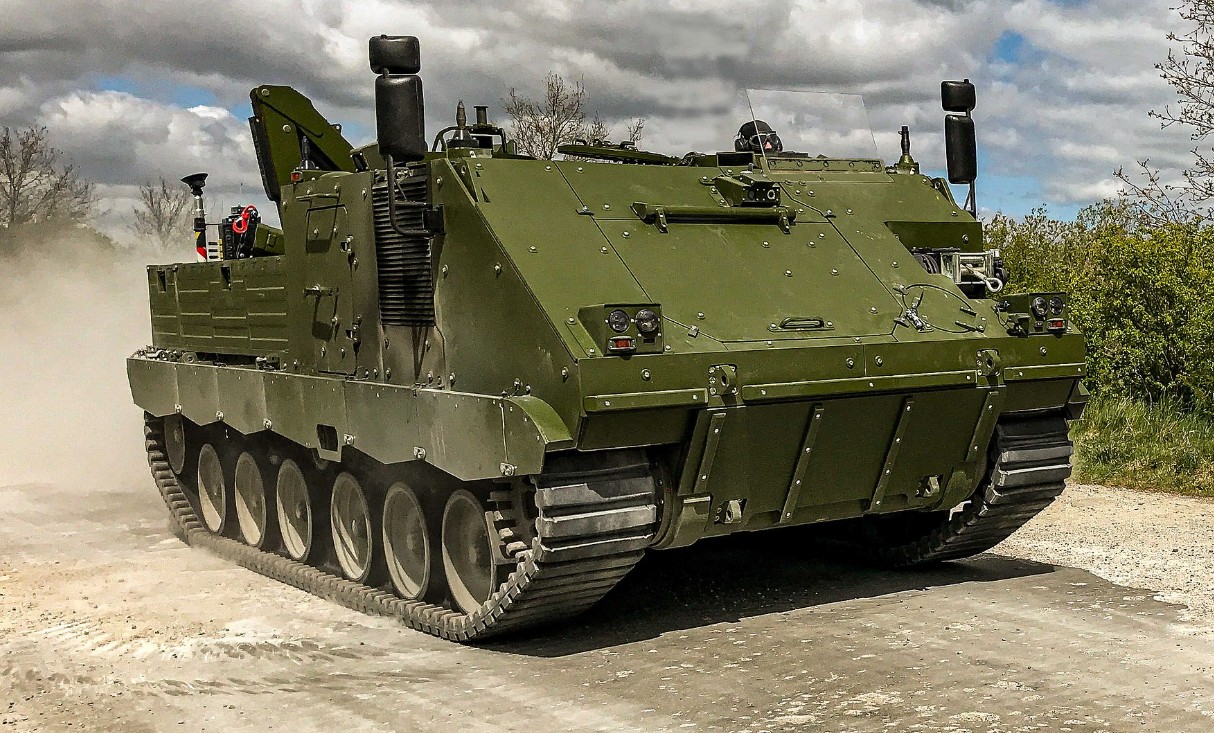
The military industry has always been at the forefront of technological advancements, continuously seeking ways to enhance the performance and durability of its equipment. One of the significant innovations reshaping military vehicle capabilities is the development and implementation of composite rubber tracks. These tracks are transforming ground operations by offering a range of advantages over traditional steel tracks.



Understanding Composite Rubber Tracks
Composite rubber tracks are designed using layers of rubber compounds combined with materials like steel and other composites. This construction allows them to offer a blend of flexibility, strength, and resilience. Unlike the conventional all-steel tracks, composite rubber tracks are specifically engineered to reduce weight while maintaining durability.
Key Benefits of Composite Rubber Tracks
- Reduced Weight: The integration of rubber reduces the overall weight of the tracks, improving fuel efficiency and vehicle speed without compromising on strength.
- Increased Durability: The composite materials offer enhanced resistance to wear and tear, leading to a longer lifespan than traditional tracks.
- Noise Reduction: Operation with rubber tracks is significantly quieter, providing a strategic advantage in stealth operations.
- Improved Traction: The flexibility of rubber allows for better grip on various terrains, from muddy fields to icy roads, enhancing maneuverability.
Application in Modern Military Vehicles
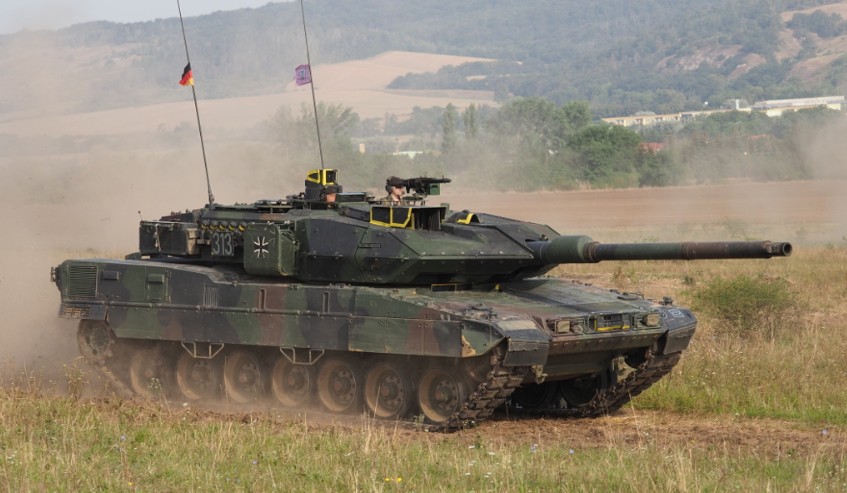
Composite rubber tracks are being adopted in various types of military vehicles, from light tactical vehicles to heavy armored tanks. Their ability to provide a smoother ride with less vibration is particularly beneficial for sensitive equipment and personnel comfort. This technology supports a wide range of vehicle specifications, ensuring adaptability across different models.
| Feature | Steel Tracks | Composite Rubber Tracks |
|---|---|---|
| Weight | Heavy | Lightweight |
| Durability | High but prone to corrosion | Very High and corrosion-resistant |
| Noise Level | Loud | Quiet |
| Traction | Good | Excellent |
| Cost | Moderate | High initial cost but longer lifetime |
Challenges and Considerations
While the benefits of composite rubber tracks are compelling, there are several considerations for military planners. The initial cost of these tracks can be higher than traditional steel tracks. However, the longer operational life and lower maintenance requirements often justify the investment. Furthermore, ensuring the availability of materials and manufacturing capabilities can be a logistical challenge but essential for widespread use.
Future Prospects
As technology continues to advance, the development of composite rubber tracks will likely see further innovation. Research into new materials and construction techniques could lead to even lighter and stronger tracks. Enhanced environmental adaptability and integration with autonomous vehicle technologies may also be on the horizon, providing even greater tactical advantages to military forces worldwide.
A Strategic Leap Forward
The adoption of composite rubber tracks marks a significant leap forward in military vehicle technology. By offering superior mobility, quieter operation, and reduced wear, these tracks enhance the operational capabilities of military forces. As the technology matures, it will undoubtedly play a pivotal role in shaping the future of military logistics and ground operations.