

Exploring the Red Planet: NASA’s New Martian Drone
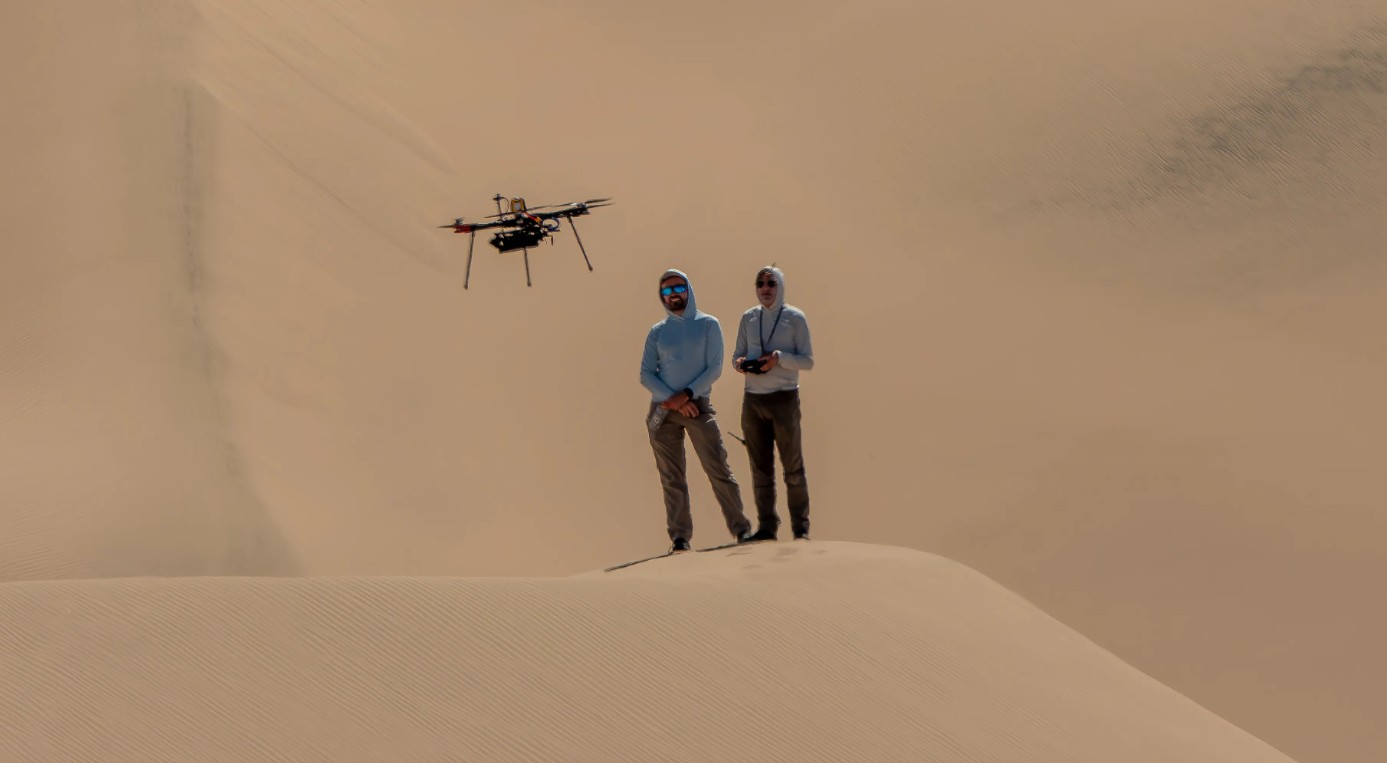
As humanity’s interest in exploring the Red Planet continues to grow, NASA has unveiled its plans to test a next-generation drone designed specifically for Mars missions. This innovative device is being trialed in California’s Mojave Desert, known for its harsh, Mars-like conditions. With advancements aimed at enhancing space exploration, this new aerial vehicle promises to play a crucial role in our understanding of Mars’ geology and atmospheric conditions.
The Need for Mars Drones
Since the first successful landing of a rover on Mars, NASA has been committed to improving the technology to better analyze the planet’s surface and atmosphere. Rovers, while incredibly effective, have limitations in the distance they can traverse and the speed at which they can operate. This is where drones come into play. Capable of covering vast areas quickly and accessing terrains that rovers cannot, drones are poised to become pivotal in Mars exploration missions.
The Mojave Desert: A Mars Analog
The Mojave Desert in California is not only a picturesque landscape but also a perfect earthly analog for testing technologies destined for Mars. Its dry atmosphere, extreme temperatures, and rugged terrain provide a unique opportunity for NASA engineers to simulate the conditions the drone will face on Mars. These tests are crucial to refine the drone’s ability to navigate and withstand the Red Planet’s challenging environment.
Features of the Next-Generation Mars Drone
The next-generation Martian drone boasts an array of cutting-edge features designed to improve its efficiency and resilience:
- Lightweight Structure: Built with advanced composite materials, the drone is ultra-light, enabling it to fly at high altitudes with minimal energy consumption.
- Advanced Propulsion System: Equipped with high-efficiency rotors that provide lift and maneuverability in the thin Martian atmosphere.
- Autonomous Navigation: Incorporating AI-driven software, the drone can autonomously map and navigate the Martian surface, making real-time decisions in response to new obstacles.
- Durability: Designed to operate in extreme temperatures, the drone includes thermal control systems to cope with the frigid Martian nights and hot days.
Table: Technical Specifications
| Feature | Specification |
|---|---|
| Weight | 1.2 kg |
| Rotor Diameter | 1.2 meters |
| Maximum Altitude | 10,000 meters |
| Operating Temperature Range | -130°C to 70°C |
| Battery Life | 90 minutes |
Potential Impact on Future Mars Missions
The successful deployment of drones on Mars will revolutionize how scientists study the planet’s topography and weather patterns. By complementing ground-based rovers, drones provide an aerial view, offering new perspectives and more abundant data collection opportunities. They can quickly survey areas before rovers are dispatched, identifying sites of interest and potential hazards.
Moreover, drones can assist in delivering equipment and supplies to future human missions, exploring cave systems, and even mapping underground features. The flexibility and adaptability of drones mean that they can take science to regions of Mars that have been previously unreachable.
Looking Ahead
NASA’s drone tests in the Mojave Desert represent a significant step forward in space exploration technology. Each flight test refines the drone’s software and hardware, ensuring that when it reaches Mars, it is fully prepared to meet the demands of a new frontier.
The success of these tests may pave the way for more ambitious missions and open new pathways for studying planets beyond our solar system, further fueling the curiosity and determination that drive human discovery. As NASA continues to innovate, the possibilities for what we can learn from the universe are as boundless as space itself.