

The Multifaceted Threat Environment
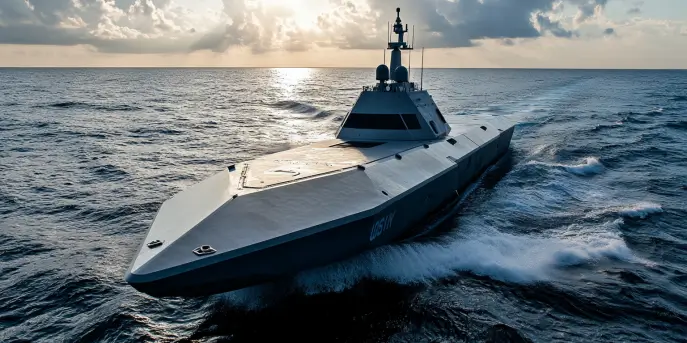
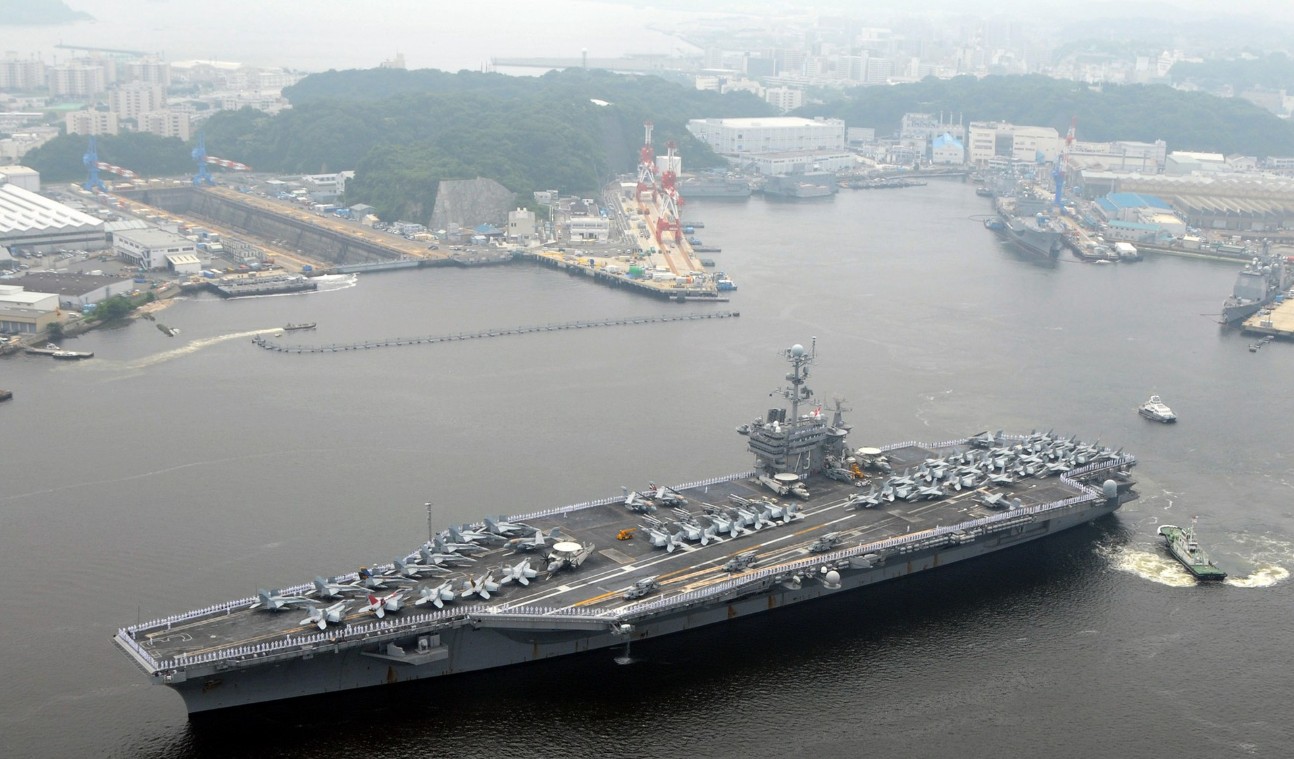
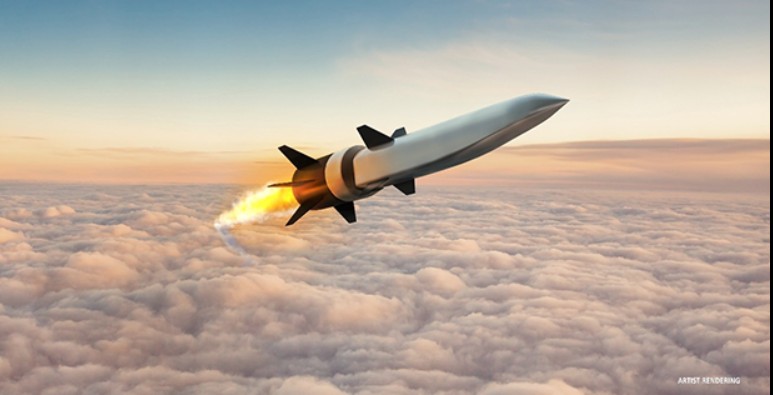
In the ever-evolving landscape of naval warfare, surface combatants are increasingly exposed to diverse and sophisticated threats. These threats include ballistic and cruise missiles, unmanned aerial vehicles (UAVs) – commonly known as drones, and fast attack boats. Each of these poses a unique challenge requiring a nuanced defense strategy. The naval forces around the world, led by technological advancements and strategic imperatives, have therefore developed a comprehensive layered defense system to safeguard their vessels and crew.
Layered Defense Strategy
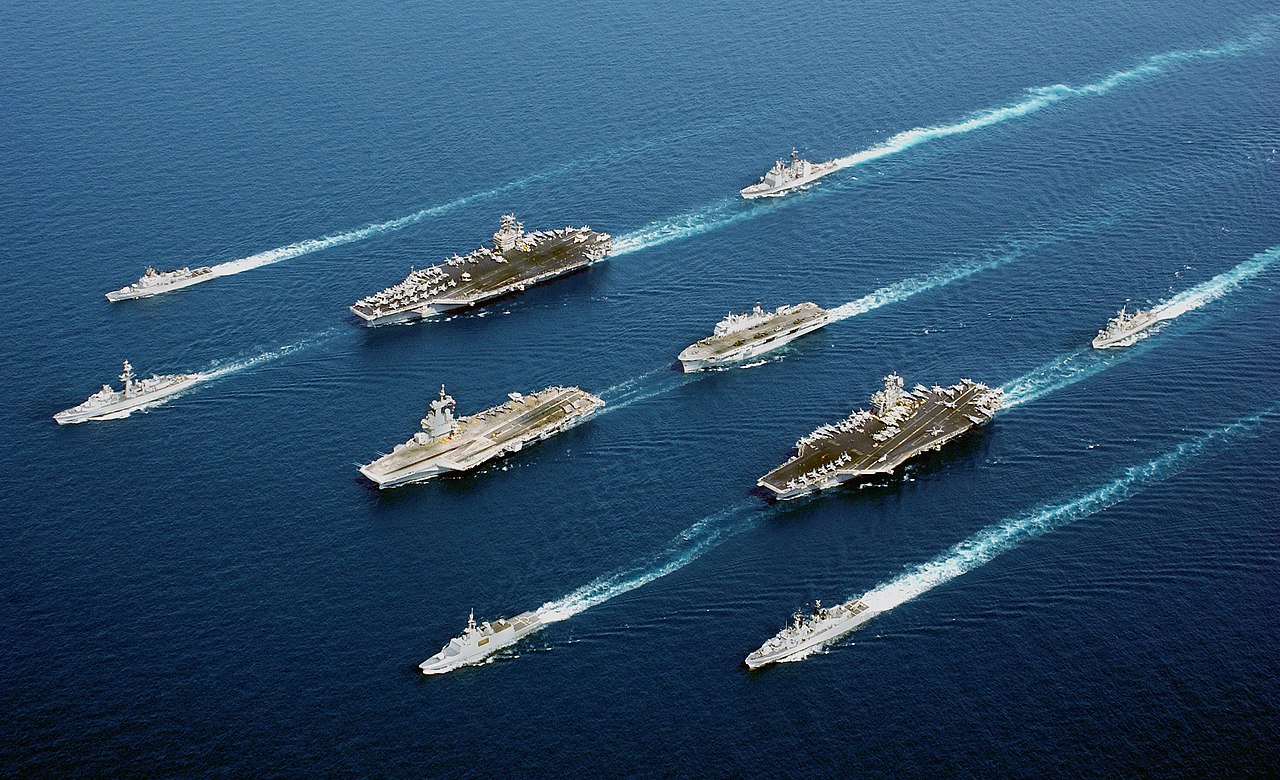
A layered defense strategy involves deploying multiple defensive systems that work in harmony to detect, track, and neutralize threats at different phases and ranges. This holistic method is crucial because it enhances the probability of intercepting threats before they can inflict damage. The defense is organized in layers, extending from the outer perimeter to points closer to the vessel, ensuring a robust shield against an array of attack vectors.
Outer-Layer Defenses
At the outermost layer, naval forces employ extended-range systems designed to engage threats at significant distances. This includes the use of advanced radar systems such as the AN/SPY-6 radar, part of the Aegis Combat System, capable of tracking hundreds of targets simultaneously. Coupled with long-range interceptors like the Standard Missile-6 (SM-6), these systems form a formidable barrier against incoming missiles.
Mid-Layer Protections
The mid-layer defenses are specialized to counter threats that penetrate the initial outer defenses. This tier commonly utilizes medium-range surface-to-air missiles (SAMs), such as the Evolved Sea Sparrow Missile (ESSM). These missiles are specifically designed to defeat high-speed, maneuvering targets, including both cruise missiles and hostile aircraft.
Inner-Layer Shielding
The inner layer of defense acts as the last line of protection against threats that have evaded the outer and mid-layer systems. Here, point-defense systems like the Close-In Weapon System (CIWS) play a crucial role. The Phalanx CIWS, for instance, employs a 20mm autocannon capable of firing up to 4,500 rounds per minute and is designed to destroy any projectile or craft within its vicinity.
Integration of Anti-Drone Measures
With the proliferation of drone technology, embedding counter-drone systems into naval defenses has become indispensable. This includes electronic warfare (EW) capabilities that allow navies to jam or spoof drone control signals. Energy-based weapons, such as the Navy’s Laser Weapon System (LaWS), offer an effective means to disable or destroy small unmanned threats.
Exceptional Challenges by Fast Attack Boats
Fast attack boats, often utilized in swarm tactics, can overwhelm a ship’s defenses through rapid and unpredictable maneuvers. To counter this, advanced detection methods coupled with rapid-response firepower are utilized. Integration of short-range anti-ship missiles and advanced machine gun systems provides the necessary firepower to neutralize these threats swiftly.
Technological Synergy & Network-Centric Warfare
Central to the efficacy of layered defenses is the concept of network-centric warfare. By networking individual platforms and defense systems, navies can achieve real-time data sharing and enhanced situational awareness. This interconnectedness allows vessels to respond faster and more accurately to threats, leveraging the cumulative capabilities of all systems deployed across the fleet.
The modern threat environment requires navies to continually adapt and innovate their defense systems. By implementing a multi-layered defense strategy, integrating cutting-edge technologies, and maintaining a network-centric approach, the Navy ensures its operational readiness against missiles, drones, and fast attack boats.
Table: Layered Defense System Specification
| Defense Layer | System | Description |
|---|---|---|
| Outer-Layer | Aegis Combat System & SM-6 | Long-range detection and interception of ballistic and cruise missiles |
| Mid-Layer | Evolved Sea Sparrow Missile (ESSM) | Medium-range defense against high-speed aircraft and missiles |
| Inner-Layer | Phalanx CIWS | Short-range gun-based defense system for intercepting incoming threats |
| Counter-Drone | LaWS & Electronic Warfare | Laser-based systems and signal jamming for disabling unmanned threats |