

Next-Generation Soldier Protection
In the ever-evolving landscape of modern warfare, the protection of foot soldiers remains a paramount concern for military planners and technology developers alike. Recent advancements are revolutionizing traditional methods, incorporating cutting-edge technologies that include loitering munitions, smart optics, and improved lighter gear. These advancements aim not only to bolster soldier safety but also to enhance their tactical effectiveness on the battlefield.
Loitering Munitions: A New Layer of Safety
Loitering munitions, also known as “suicide drones,” have emerged as a potent asset for ground troops. Unlike traditional artillery, these aerial systems can hover above a battlefield for extended periods, offering real-time surveillance and the capability to strike targets autonomously or on command. This provides soldiers with an unprecedented combination of intelligence and firepower.
The ability to circle around hostile territory until a target is identified adds a crucial strategic layer, reducing risks to ground units by preempting threats. Moreover, loitering munitions can deliver precision strikes, minimizing collateral damage and reducing the chances of exposing foot soldiers to enemy fire.
Smart Optics: Enhancing Awareness and Accuracy
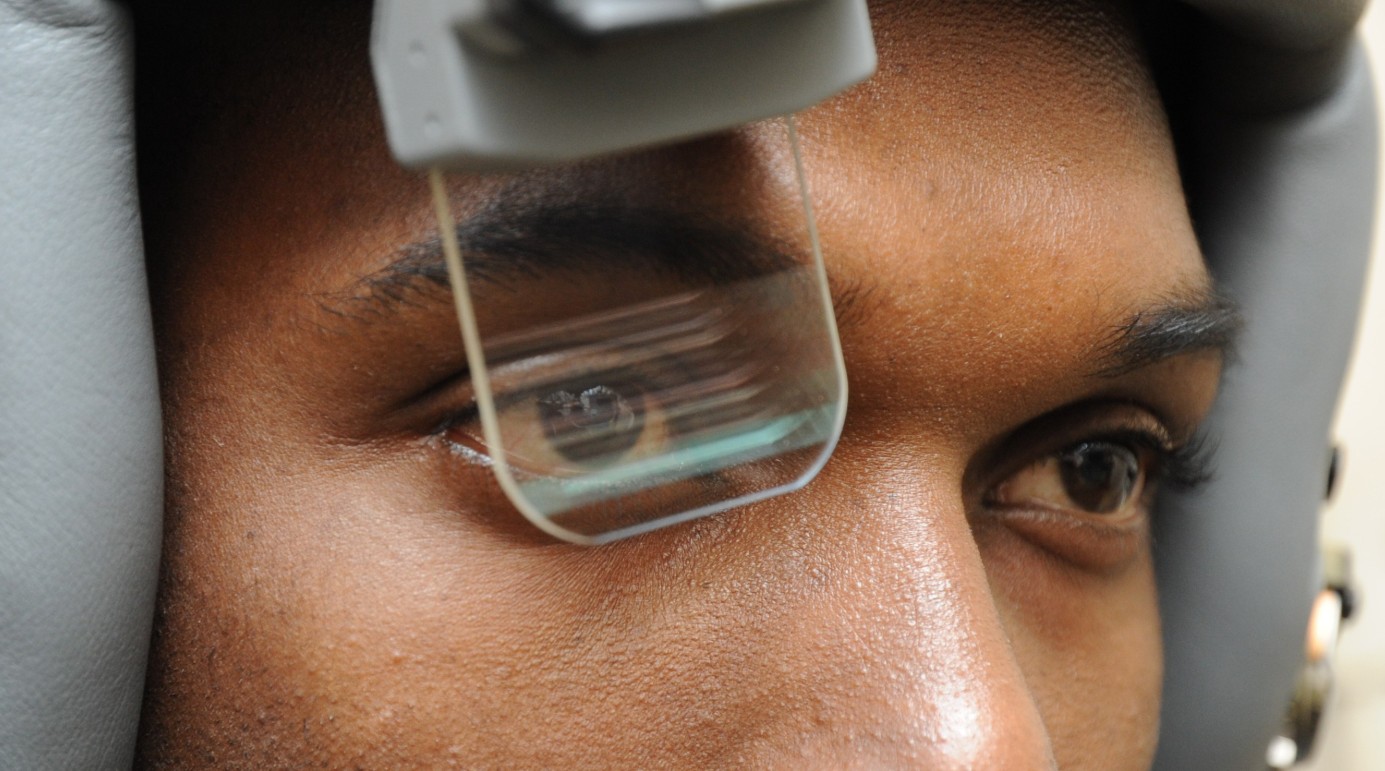
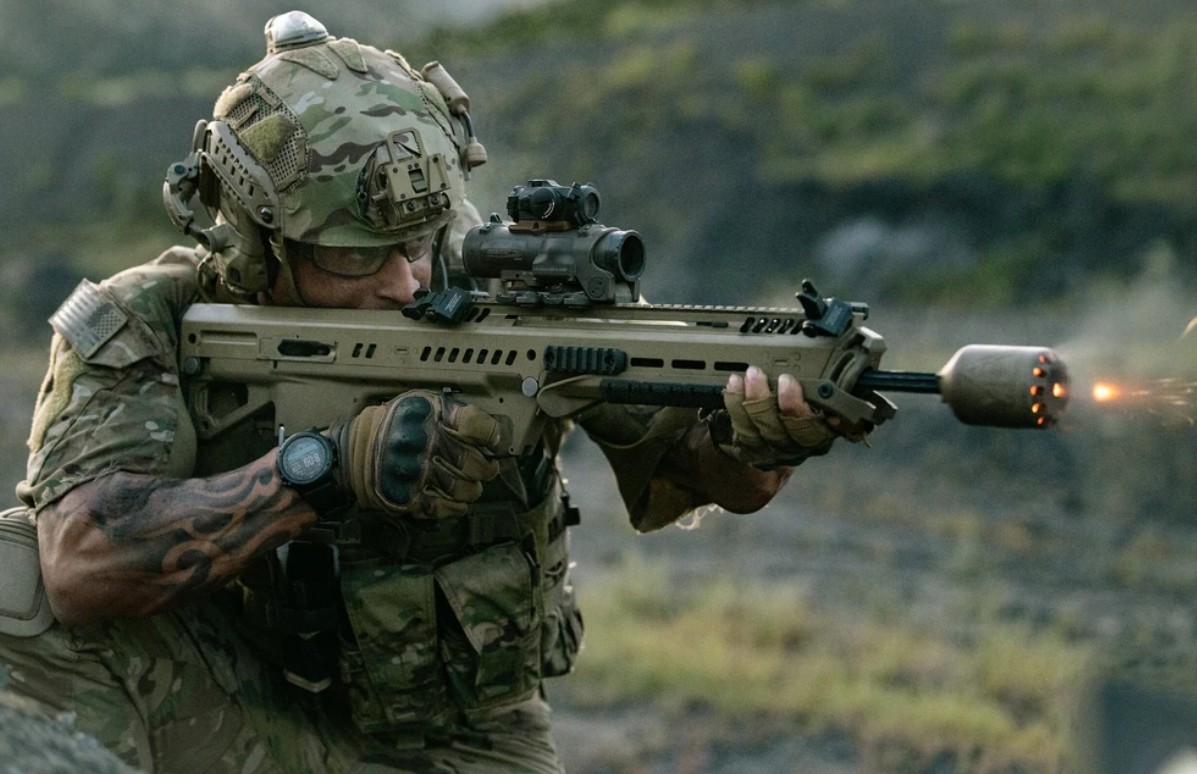
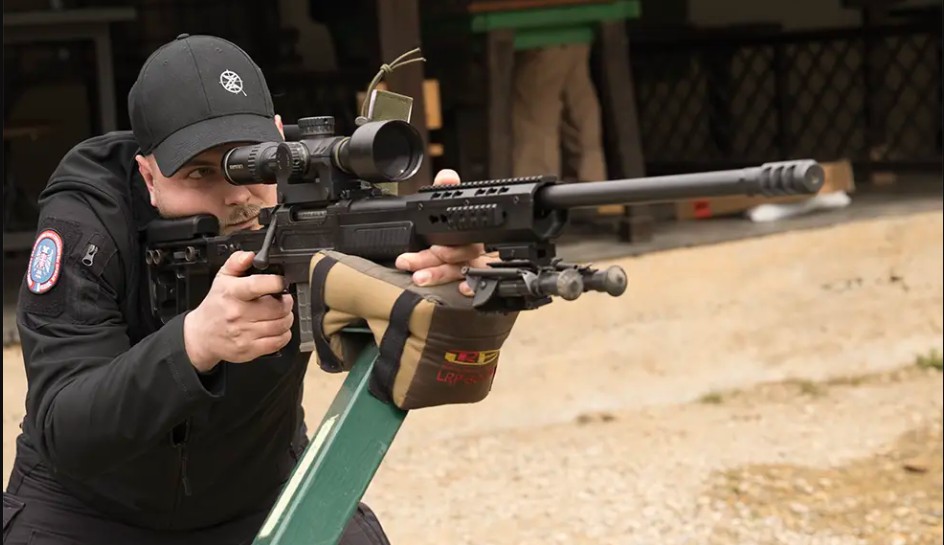
Another leap forward in soldier protection comes in the form of smart optics. Equipped with advanced features like thermal imaging, augmented reality overlays, and enhanced zoom capabilities, these optics grant troops superior situational awareness. Whether in daylight or the dead of night, soldiers can easily detect movements or changes in their environment that would otherwise go unnoticed.
Smart optics also substantially improve accuracy in engagements. By integrating with digital targeting systems, they provide data-driven insights that assist in making critical decisions quickly and effectively. This technology significantly decreases the mental strain on soldiers while optimizing their response to threats.
Specifications of Smart Optics
| Feature | Description |
|---|---|
| Thermal Imaging | Detects heat signatures up to 500 meters |
| Augmented Reality | Projects navigational and targeting data directly into the lens |
| Enhanced Zoom | Magnifies up to 6x clarity for distant objects |
| Weather Resistant | Operates in extreme temperatures and wet conditions |
Improved, Lighter Gear: Mobility Meets Durability
An often overlooked but crucial aspect of soldier protection is mobility. With advancements in materials science, military researchers have developed lighter, more durable gear that doesn’t compromise on protection. This includes body armor made from advanced composites and kevlar, which offer greater resistance against ballistic threats while reducing weight load.
The shift to lighter gear is complemented by the integration of ergonomic designs that enhance mobility, agility, and speed. This allows soldiers to maneuver more effectively in various combat scenarios, thus improving their survivability and operational efficiency.
Furthermore, modular gear systems now enable soldiers to customize their loadout depending on the mission requirements, equipping them with the necessary tools without burdening them with superfluous weight.
Interconnected Systems: A Holistic Approach
Beyond individual technological advancements, the integration of these systems creates a holistic approach to soldier protection. Communication between different technologies ensures that soldiers can seamlessly transition between surveillance, engagement, and maneuvering activities. For instance, data collected from loitering munitions can be immediately relayed to smart optics, providing unparalleled real-time intelligence.
This interconnected ecosystem not only increases individual safety but also improves unit cohesion and strategic capabilities. As each soldier becomes a node in a broader network, the collective efficiency of the team is amplified, further safeguarding military personnel and enhancing mission success.