

The Evolution of the U.S. Army’s Arsenal
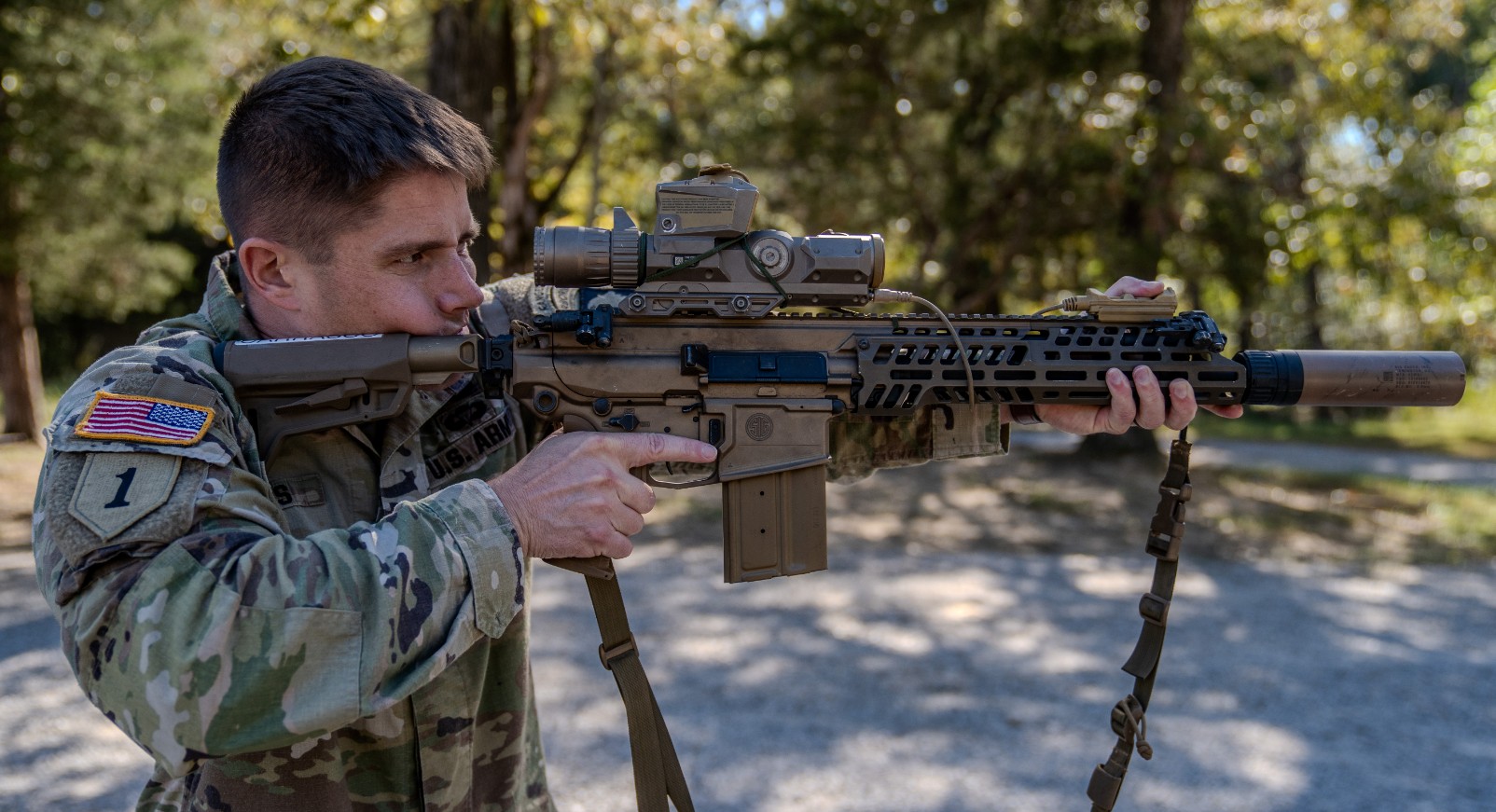
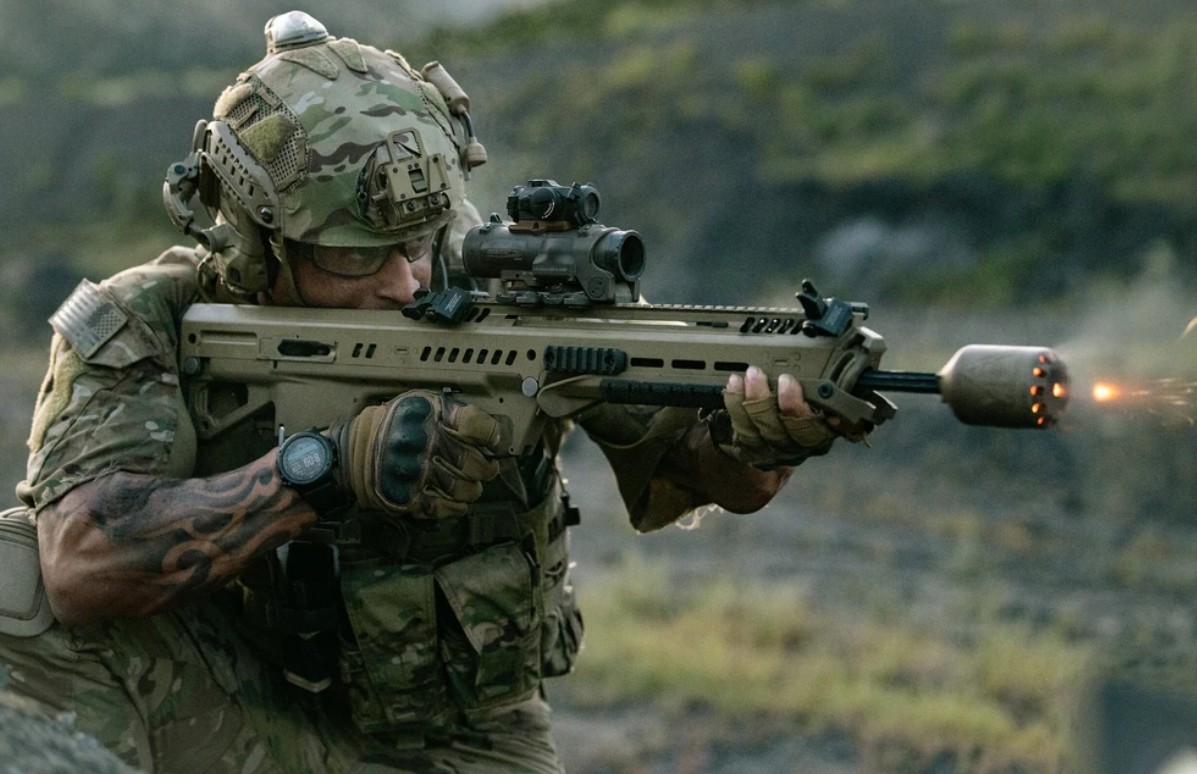
The U.S. Army has always been at the forefront of technological advancements, especially when it comes to equipping its soldiers with cutting-edge weaponry. The latest addition to its arsenal, the M7 rifle—commercially known as the SIG MCX-SPEAR—signals a new era in small arms technology. Developed by SIG Sauer, this rifle is part of the Army’s Next Generation Squad Weapon Program, aiming to replace the longstanding M4 and M16 rifles.
Why the M7 Rifle?
The decision to transition to the M7 rifle is driven by the need for enhanced performance in both range and lethality. The military’s operational landscape has evolved, necessitating a weapon that can perform in varied and challenging environments. The M7, with its advanced design and capabilities, provides soldiers with improved accuracy, range, and terminal ballistics, crucial factors on the modern battlefield.
Key Features of the M7 Rifle
- Caliber: The M7 utilizes the 6.8mm round, offering increased firepower over the traditional 5.56mm ammunition used by its predecessors.
- Modularity: Much like its predecessor, the M4, the M7 is highly modular, allowing soldiers to customize their weapon according to mission requirements.
- Enhanced Accuracy: Equipped with advanced optics compatibility, the M7 rifle supports increased accuracy at longer ranges, which is vital for battlefield advantage.
- Durability and Reliability: Constructed with resilient materials and advanced engineering, the M7 ensures greater durability and performance in extreme conditions.
Technical Specifications
| Specification | Detail |
|---|---|
| Caliber | 6.8x51mm |
| Weight | Approx. 8.4 lbs (without optics or ammunition) |
| Barrel Length | 13 inches |
| Action | Short-stroke gas piston |
| Effective Range | 600+ meters |
| Magazine Capacity | 20 rounds |
Impact on Military Tactics
The M7’s introduction is anticipated to have a significant impact on military tactics. Its enhanced range and accuracy allow squads to engage targets from greater distances with increased efficacy. This ability to neutralize threats before they can close in improves soldier safety and operational success rates. Moreover, the more potent 6.8mm ammunition provides greater stopping power, which is particularly beneficial when confronting adversaries equipped with advanced body armor.
Adoption and Adaptation
The implementation of the M7 rifle across the Army will involve comprehensive training programs to ensure soldiers are adept at using the new system. Transitioning to a new weapon requires meticulous logistical planning, from ammunition supply chain adjustments to maintenance protocols. The Army’s logistics branches are gearing up to handle these challenges, ensuring a smooth integration with ongoing operations.
Feedback from the Frontlines
Initial feedback from service members involved in testing phases has been overwhelmingly positive. Soldiers have reported that the M7’s ergonomics and balance contribute to its operability, making it a practical choice for diverse combat situations. The option for further enhancements, such as suppressors and advanced targeting systems, adds to the weapon’s tactical flexibility.
The Future of Army Weaponry
As the Army continues to modernize its equipment, the M7 represents a significant leap in infantry capabilities. This advancement not only positions the military to better meet today’s threats but also sets a precedent for future innovations. As technology evolves, the lessons learned from the M7’s deployment will likely inform the development of subsequent weapon systems.
The introduction of the M7 rifle is more than just an upgrade; it reflects the Army’s commitment to maintaining a superior tactical edge. This move underscores the importance of adapting to ever-evolving combat scenarios, ensuring that U.S. soldiers are equipped to meet any challenge head-on.