

The Essence of Rapid Reaction Forces
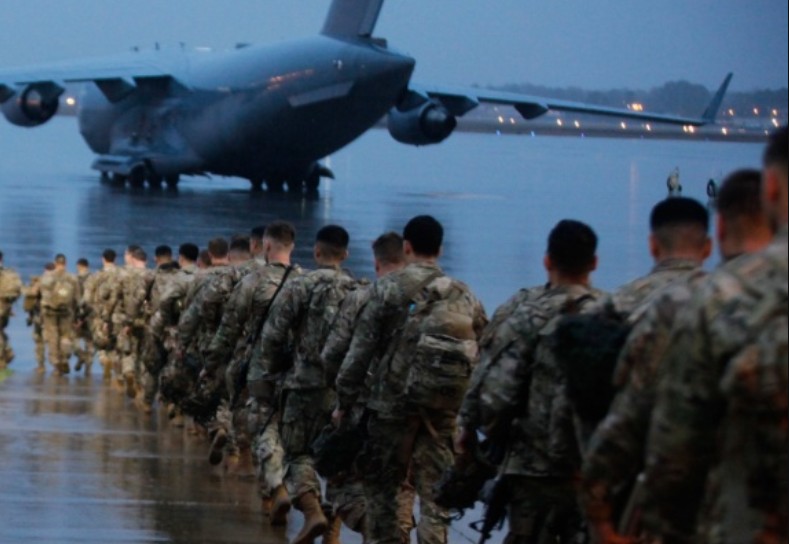
Rapid Reaction Forces, such as the acclaimed U.S. 82nd Airborne Division, are structured to be nimble, responsive, and effective in crisis situations. Their primary role is to deploy quickly to hotspots around the globe, providing military support to both prevent conflicts from escalating and to offer immediate assistance during emergencies. The agility of these forces lies in their ability to move substantial numbers of troops and equipment with little notice, responding to political or humanitarian crises with speed and precision.

Historical Background of the 82nd Airborne Division
The 82nd Airborne Division, known as the “All American” division, has a storied history dating back to its formation in 1917. During World War I, it earned its stripes, and by World War II, it had evolved into the first airborne division of the U.S. Army, making significant contributions during the invasions of Sicily, Normandy, and Operation Market Garden. Its motto, “All The Way!”, reflects its commitment to completing missions regardless of circumstances.
What Makes Them So Rapid?
Several key elements contribute to the rapid deployment capabilities of forces like the 82nd Airborne:
- Air Mobility: The division relies heavily on the airlift capabilities provided by the U.S. Air Force. A combination of C-17 Globemaster III, C-130 Hercules, and other aircraft facilitates the swift movement of troops and material across vast distances within hours.
- Ready Status: Units within these divisions maintain a constant state of readiness. A rotational alert status ensures that a portion of the division is always ready to deploy within 18 hours of notification.
- Training and Preparation: Continuous training exercises and war games prepare soldiers for rapid deployment. These intense simulations teach troops to operate efficiently under pressure, something crucial for maintaining effectiveness during sudden transitions into conflict zones.
- Advanced Logistics: Sophisticated logistical planning ensures that equipment and supplies arrive promptly, enabling troops to sustain operations without delay. Advanced logistical frameworks allow these forces to operate autonomously for a certain amount of time while further reinforcements are mobilized.
The Deployment Process
The deployment process for rapid reaction forces like the 82nd Airborne is a meticulously coordinated operation. The process typically follows these steps:
- Notification: The alert orders are issued, notifying forces to plan for immediate deployment.
- Marshaling: Troops gather at specified locations to prepare equipment, vehicles, and supplies.
- Loading: Personnel and materiel are airlifted using designated aircraft, ensuring optimal efficiency in loading procedures to reduce time spent on the ground.
- Deployment: Forces are deployed to strategic locations where they can quickly integrate with existing operations or establish new footholds.
- Sustainment: Once operational, comprehensive supply lines are initiated to maintain troop effectiveness in the field.
| Specification | Details |
|---|---|
| Average Deployment Time | 18 hours from notification |
| Primary Aircraft Used | C-17 Globemaster III, C-130 Hercules |
| Global Reach | Virtually worldwide |
| Personnel Readiness | Rotational basis for immediate readiness |
The Strategic Role of Rapid Reaction Forces
In recent years, the strategic importance of rapid reaction forces has only increased. With global flashpoints frequently emerging, having a responsive military capability is crucial for national defense and international stability. The U.S. 82nd Airborne Division plays a vital role in this paradigm by being able to deploy on peacekeeping missions, disaster relief, or combat operations, offering flexibility in responding to diverse global needs.
Moreover, these forces act as a deterrent. The knowledge that a nation can deploy a highly trained and equipped force in a matter of hours can deter potential adversaries from aggressive actions. This is not only a tactical advantage but also a strategic tool for policymakers and military strategists.
Challenges Facing Rapid Reaction Forces
Despite their capabilities, rapid reaction forces face several challenges:
- Logistical Complexities: Coordinating global logistics in a short period is a daunting task that requires precision and reliability in execution.
- Political Hurdles: Obtaining necessary clearances and support from local governments or international bodies can slow down the deployment process.
- Technological Dependence: These forces rely heavily on technology, which can be both an asset and a vulnerability if systems fail or are compromised.
Innovations in technology and strategy continually shape the capabilities and operations of units such as the 82nd Airborne, but adaptability remains their strongest asset. Through rigorous training and a systemized approach, these forces maintain their edge in speed and effectiveness.
The Future of Rapid Reaction Forces
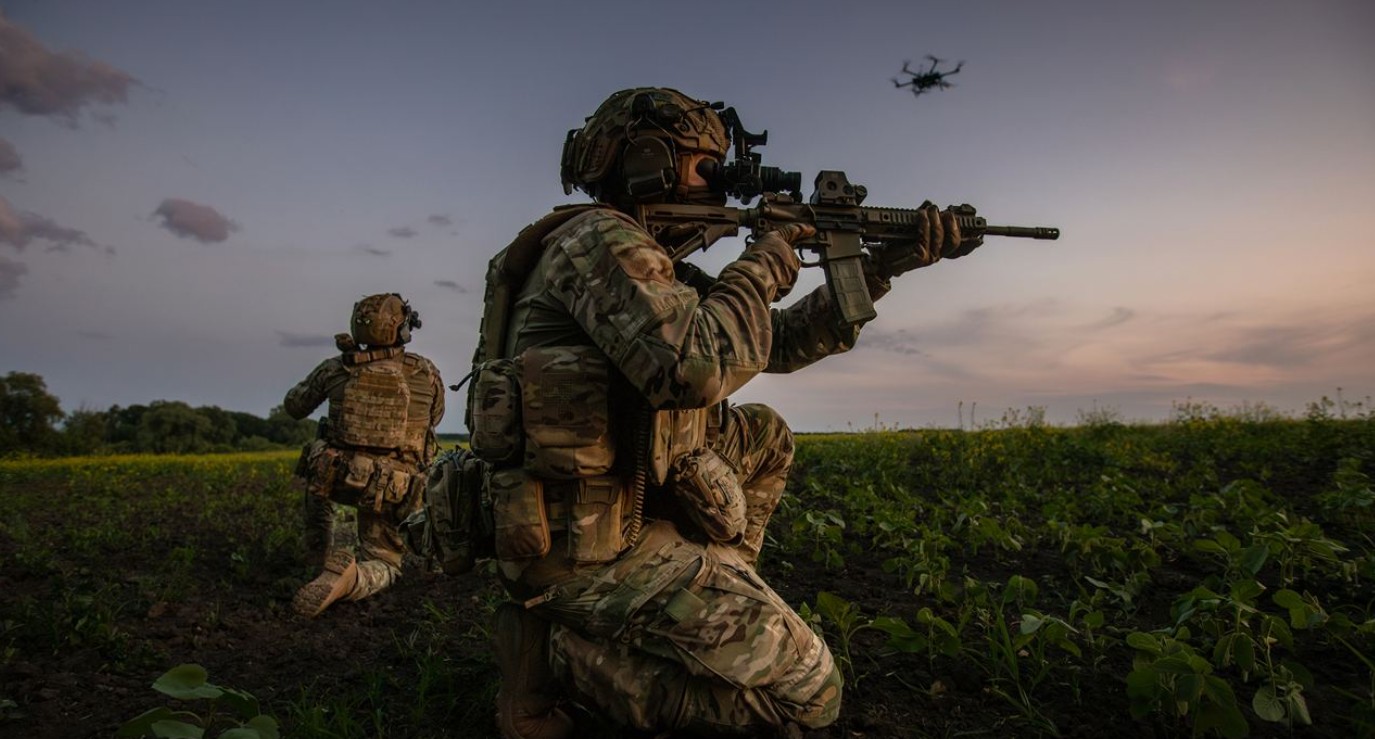
Looking ahead, the evolution of rapid reaction forces will likely involve greater integration of technology, such as unmanned aerial vehicles (UAVs) for reconnaissance, and the Internet of Things (IoT) for enhanced real-time logistical coordination. Continued research and development in troop transport and equipment airdrop technologies will further boost efficiency and effectiveness.
The U.S. 82nd Airborne Division, in particular, is expected to continue leading the charge in redefining rapid reaction capabilities. As global dynamics continue to shift and new threats emerge, these forces will remain indispensable to maintaining peace and responding to crises with unparalleled speed and precision.