


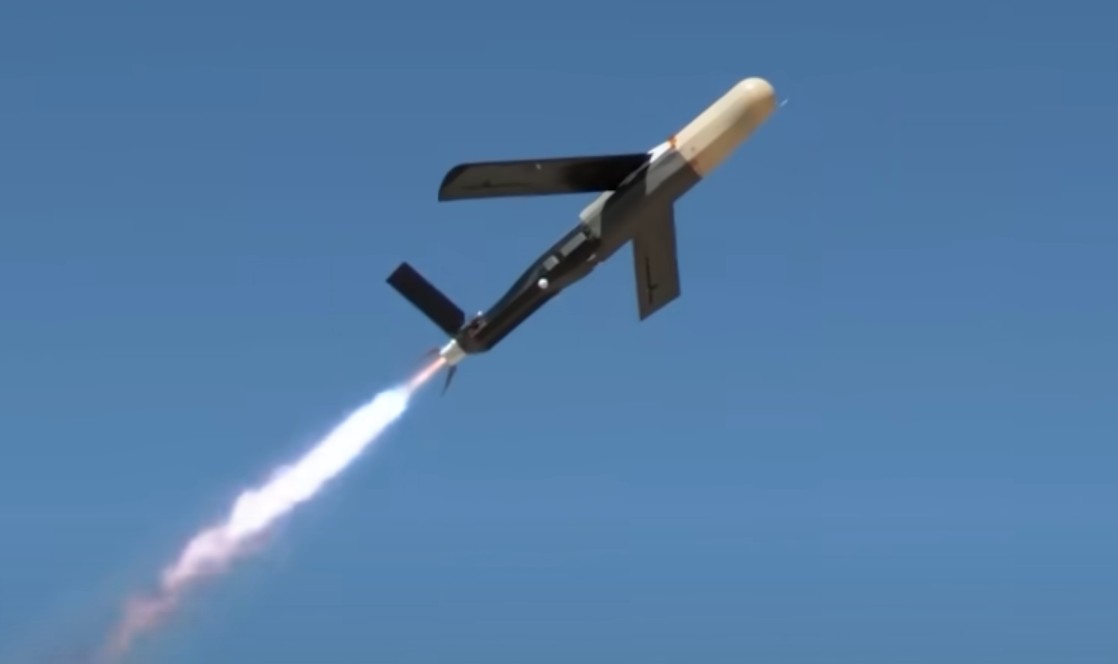
The modern battlefield is constantly evolving, with new threats emerging at a rapid pace. Unmanned Aerial Vehicles (UAVs), or drones, have become a prevalent concern for many military forces due to their versatility and capability to conduct surveillance, reconnaissance, and even direct attacks. To counter these threats, defense giant Raytheon has developed the Coyote Block 3, a state-of-the-art solution designed to neutralize hostile UAVs using advanced electromagnetic weapons.

The Evolution of Raytheon’s Coyote Series
The Coyote Block 3 is the latest iteration in Raytheon’s Coyote family, which was initially conceived as a low-cost, expendable, unmanned aircraft system capable of intelligence, surveillance, and reconnaissance missions. Over the years, these systems have been adapted for more specialized roles, most notably in counter-UAV operations.
Coyote Block 1: This version primarily focused on intelligence-gathering missions, equipped with sensors for real-time data collection.
Coyote Block 2: An improved version intended for intercepting and destroying UAV threats using kinetic means.
The Move to Electromagnetic Warfare
The shift towards utilizing electromagnetic capabilities in the Coyote Block 3 represents a leap forward in military technology. By employing electromagnetic weapons, the system can disrupt the essential electronic components of enemy UAVs, rendering them inoperable without the need for physical contact or destruction.
This approach not only minimizes collateral damage but also significantly reduces the cost and logistical complexity associated with traditional kinetic intercept methods.
Technical Specifications
While exact specifications of the Coyote Block 3 remain classified, Raytheon has divulged sufficient details to underscore its impressive capabilities. Here is a table summarizing some known specs:
| Specification | Details |
|---|---|
| Length | 36 inches |
| Weight | 13 pounds |
| Range | Over 50 km |
| Speed | Mach 0.9 |
| Launch Method | Tube-Launched |
Operational Advantages
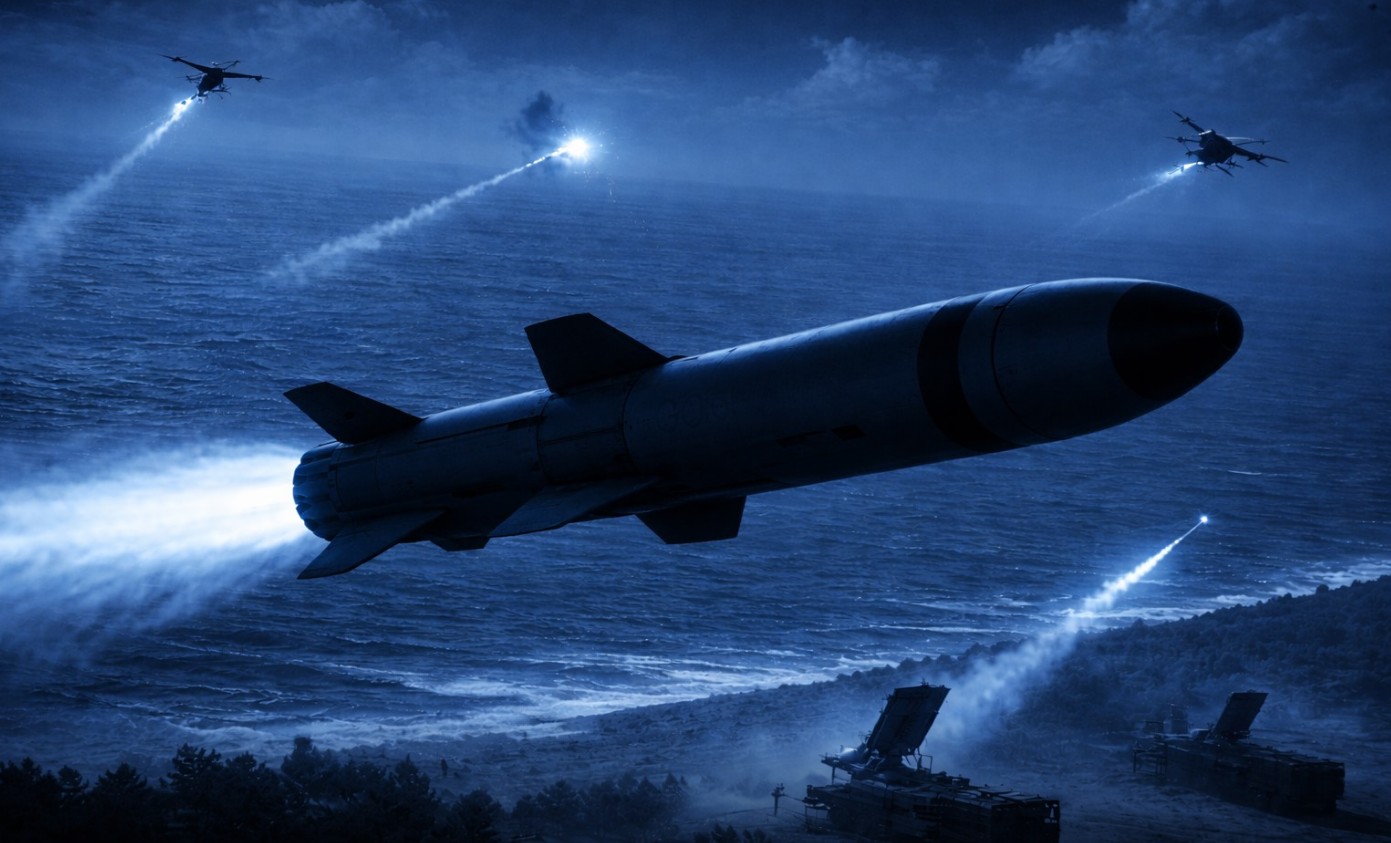
The operational advantages of the Coyote Block 3 are rooted in its technological sophistication and strategic deployability. These units can be rapidly deployed and launched from a range of platforms, including naval vessels and ground vehicles. Once airborne, they can autonomously track and engage multiple UAV threats simultaneously, thanks to their advanced targeting systems.
Another critical advantage is the system’s adaptability in diverse conflict scenarios. Whether operating in harsh desert environments or over hostile urban landscapes, the Coyote Block 3 remains effective, providing consistent defense capabilities without ground forces’ constant support.
Strategic Implications
Employing electromagnetic weapons in UAV defense reshapes conventional military strategy by offering more precise and environmentally considerate options for threat neutralization. This approach not only conserves resources but also aligns with stringent operational rules of engagement, which prioritize minimizing civilian harm.
Furthermore, integrating the Coyote Block 3 into broader defense arsenals signifies a move toward networked warfare. The system can be linked with other defense assets, sharing real-time data to bolster situational awareness and force protection.
Challenges and Future Prospects
While the Coyote Block 3 represents a significant technological advancement, challenges remain. The complexity of electromagnetic weaponry requires extensive training for personnel to maximize system efficacy. Additionally, maintaining these advanced systems can be resource-intensive, necessitating ongoing support and updates.
Nonetheless, the future looks promising. As technology continues to evolve, so too will the Coyote Block 3’s capabilities. Potential enhancements include the inclusion of artificial intelligence to further improve autonomous targeting and the possibility of miniaturizing systems for use in smaller tactical scenarios.
Overall, the Raytheon Coyote Block 3 stands at the forefront of modern military defense technology, providing a robust and sophisticated solution to the growing threat of UAVs. By utilizing cutting-edge electromagnetic systems, it ensures airspace security in an efficient and pragmatic manner.