

In the rapidly evolving landscape of global military technology, Russia has made headlines with the development of two revolutionary weapons: the Burevestnik and the Poseidon. These weapons are a part of what many analysts view as a new era in military deterrence, characterized by advanced capabilities and virtually unlimited range—signaling a significant shift in how nations approach strategic defense and deterrence.
Burevestnik: Russia’s Nuclear-Powered Cruise Missile
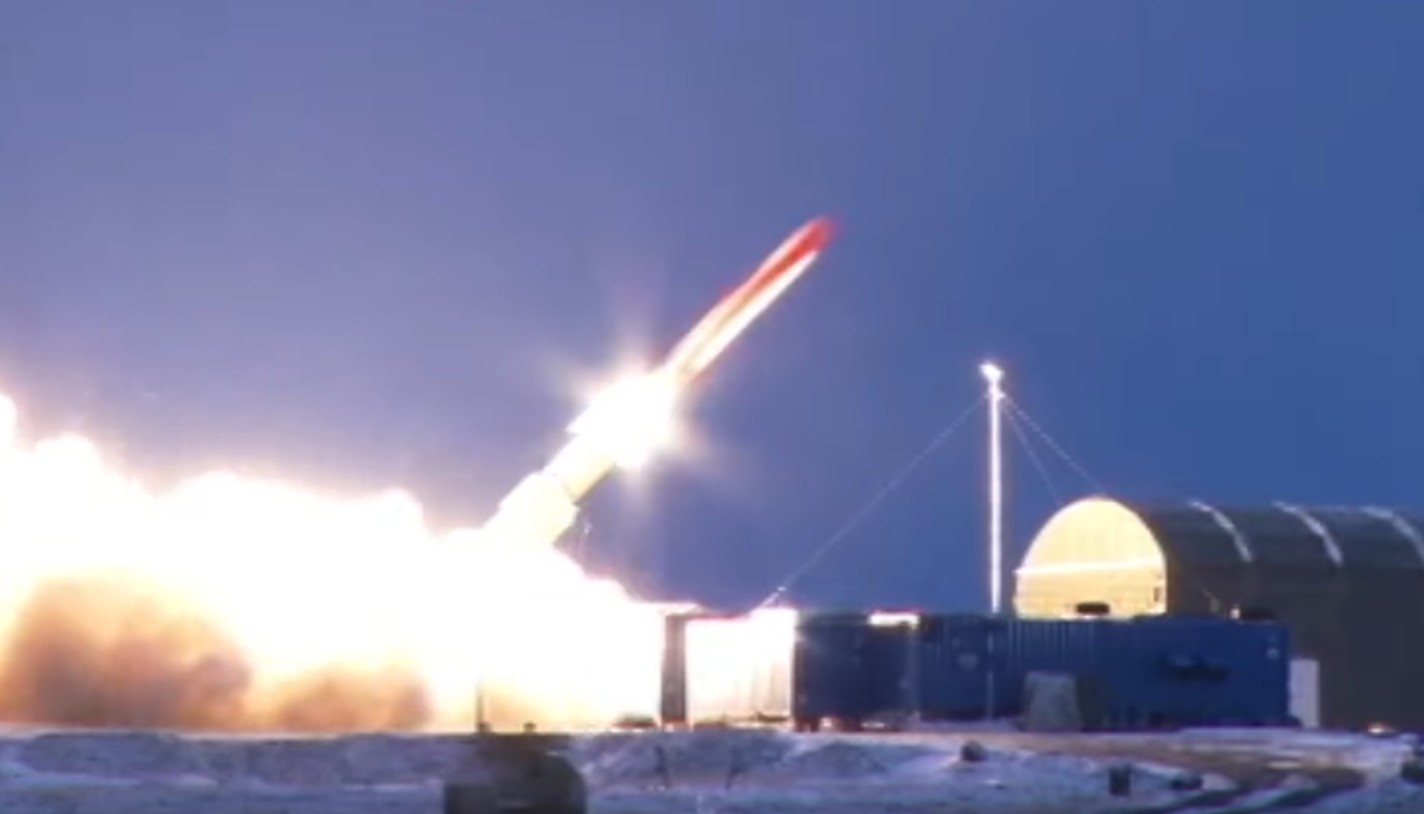
The Burevestnik, whose name translates to “Storm Petrel,” is a nuclear-powered cruise missile designed to provide Russia with an unparalleled strategic advantage. The missile is designed to have unlimited range and maneuverability, enabling it to bypass traditional missile defense systems.
Capabilities and Strategic Importance
Burevestnik’s nuclear propulsion system is what sets it apart from conventional cruise missiles. This advanced propulsion allows it to remain in flight for prolonged periods, potentially changing course multiple times to avoid detection and interception. As a result, Burevestnik can target virtually any location around the globe.
Key Features:
- Unlimited range allows global reach and flexibility in targeting.
- Nuclear propulsion for extended flight time and evasion capabilities.
- Designed to penetrate advanced missile defense systems.
Poseidon: The Unmanned Underwater Vehicle (UUV)
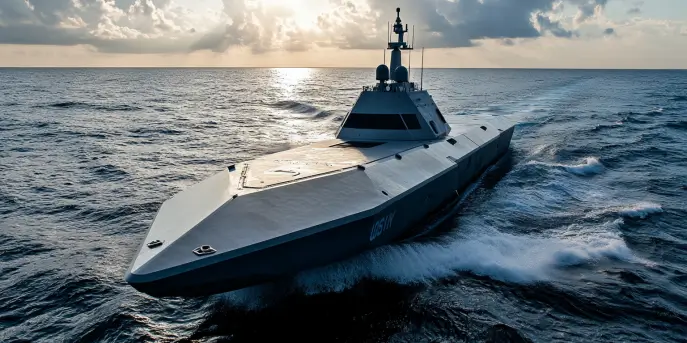
While the Burevestnik dominates the skies, the Poseidon, also known as the “Status-6,” takes the concept of strategic defense into the depths of the ocean. Poseidon is an unmanned underwater vehicle capable of delivering nuclear payloads, essentially redefining undersea warfare.
The Silent Sentinel
Poseidon is designed to operate autonomously, traveling vast distances underwater to deliver its payload. The vehicle is reportedly capable of speeds up to 100 knots and can operate at depths beyond the reach of most conventional detection systems.
Main Attributes:
- Autonomous underwater operation with extreme depth capability.
- High-speed transit to target locations.
- Equipped to carry nuclear payloads ensuring strategic deterrence.
Here is a detailed comparison of some specifications of these two systems:
| Specification | Burevestnik | Poseidon |
|---|---|---|
| Propulsion | Nuclear-powered | Nuclear-powered |
| Range | Unlimited | Unlimited |
| Speed | Subsonic | Up to 100 knots |
| Payload Type | Nuclear | Nuclear |
Implications for Global Security
The introduction of these weapons has stirred debates among security analysts globally. The primary concern revolves around the destabilizing potential of weapons systems that can evade traditional defense mechanisms.
Advocates for strategic stability worry that the deployment of Burevestnik and Poseidon may usher in an era where existing arms treaties are rendered obsolete. The ability of these weapons to strike virtually anywhere means that nations must rethink their defense postures.
Potential Consequences:
- Increased pressure on nations to develop countermeasures.
- Potential renewal of arms races focused on next-generation defense technologies.
- Challenging existing frameworks for nuclear non-proliferation.
A New Era of Deterrence
The capabilities of Burevestnik and Poseidon signal a significant milestone in military technology—one that emphasizes flexibility, reach, and endurance. For Russia, these weapons represent a leap forward in strategic deterrence, providing assurances of security against foreign threats. However, as history has often shown, technological advancements in weaponry demand new diplomatic dialogues and efforts to manage the proliferation of such technologies responsibly.
While nations ponder the implications, one question remains paramount: will the advent of these “weapons without range limit” lead to new strategies for peace, or will they instead escalate tensions and drive nations farther apart?