

Russia’s Metro-2 System: An enigmatic labyrinth hidden beneath the sprawling expanse of Moscow, Metro-2 stirs the imagination of espionage enthusiasts and urban explorers alike. The purported existence of this secret military metro network represents a fascinating blend of Cold War intrigue and modern mystery, woven into the subterranean fabric of Russia’s capital city.
The Origins of Metro-2
During the height of Cold War tensions, the Soviet Union embarked on unprecedented projects to fortify its cities against the looming threat of nuclear confrontation. It is within this context, under Joseph Stalin’s regime in the 1940s, that Metro-2 allegedly commenced construction. Widely believed to have been codenamed D-6 by the KGB, the system was rumored to be a critical element of Russian elite paranoia and strategic planning.
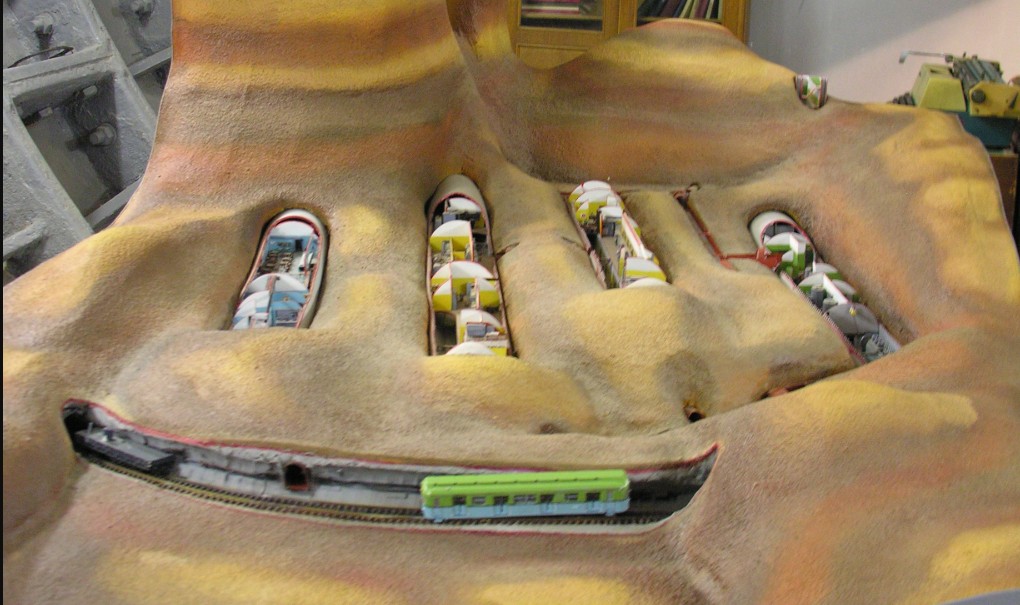
Officially, Soviet records remain silent on Metro-2’s construction, enveloping it in a veil of secrecy. However, various sources, including alleged defectors and urban legends, suggest a network sprawling beneath Moscow’s well-trafficked public metro system, connecting government buildings, strategic sites, and secure bunkers.
Purpose and Functionality
Speculation abounds regarding the intended use of Metro-2. There are several prevalent theories:
- Emergency Evacuation Route: Some believe the network was designed for the rapid evacuation of Soviet leaders and military personnel. During crises, it could efficiently transport them to fortified locations outside Moscow.
- Communication Line: The tunnels might have served as secure communication lines during wartime, allowing for command and control functions to persist undisrupted across critical junctures.
- National Command Center: It is thought that Metro-2 interconnects with sprawling underground bunkers, possibly forming a central hub for national defense operations.
Metro-2’s Alleged Specifications
While concrete data is sparse, assumptions and claims about Metro-2’s technical details give life to a more tangible image of the system.
| Specification | Details |
|---|---|
| Total Length | Rumored to be comparable to or even longer than the public Moscow Metro’s 330 km length. |
| Tunnel Diameter | Plausibly large enough to accommodate trains similar to public metro systems. |
| Construction Period | Initiated in the 1940s and possibly extended during the Cold War until the early 1990s. |
| Connectivity | Links key government buildings, including Kremlin, Vnukovo-2 (VIP airport), and command bunkers. |
Modern Urban Legend or Hidden Reality?
Despite numerous reports and hearsay, the existence of Metro-2 has never been officially confirmed or denied by Russian authorities. This ambiguous stance has fueled public intrigue and countless theories. Some urban explorers claim to have discovered access points or remnants of the tunnels, but such claims largely circulate within niche communities.
Moscow’s vast metro system does indeed boast hidden stations and maintenance tunnels, often sparking speculation about their connection to Metro-2. Complex and confounding, the allure of forbidden exploration keeps the legend alive, casting the shadowy feature of Metro-2 as a layer of urban mystique over Moscow’s landscape.
Documented References and Testimonies
Over the years, anecdotal evidence has accumulated from sources like military personnel, urban explorers, and even television documentaries.
- Colonel-General Boris Ratnikov: During an interview in the late 1990s, the former KGB officer suggested that such a system was known internally, corroborating some existing rumors.
- Vladimir Shevchenko: Following his exit from a high-ranking position within the Moscow Metro, Shevchenko alluded to the existence of closed segments, further propelling public curiosity.
- Exploration Reports: Reports from thrill-seeking urban adventurers frequently surface, each claiming navigations through supposedly abandoned shafts and unused tunnels.
Internet and Media Portrayals
The intrigue surrounding Metro-2 extends into popular culture, with the network featuring heavily in novels, films, and video games set within Russia. These media often paint Metro-2 in vibrant detail, using creative license to fill in the gaps left by scant evidence, thus contributing to the public’s enigmatic image of the system.
The proliferation of such dramatizations can sometimes blur the lines between fact and legend, often requiring skepticism and critical analysis from enthusiasts seeking to discern reality from outright fiction.
Ultimately, Metro-2 remains a tantalizing enigma nestled within the depths of Moscow’s subterranean world. Whether a ghost of Cold War strategy or merely an elaborate urban myth, it embodies the perpetual allure and angst surrounding secret military infrastructure. As interest never seems to wane, the legend of Metro-2 continues to captivate minds and challenge the boundaries between historical truth and modern myth.