

The Mysterious Sonic Weapon
Recent buzz surrounding a “sonic weapon” reportedly used in attempts to undermine Nicolas Maduro, Venezuela’s embattled president, has captured public imagination. Understanding this cryptic tool involves diving deep into technology shrouded in secrecy, rumored to blend science fiction with reality.
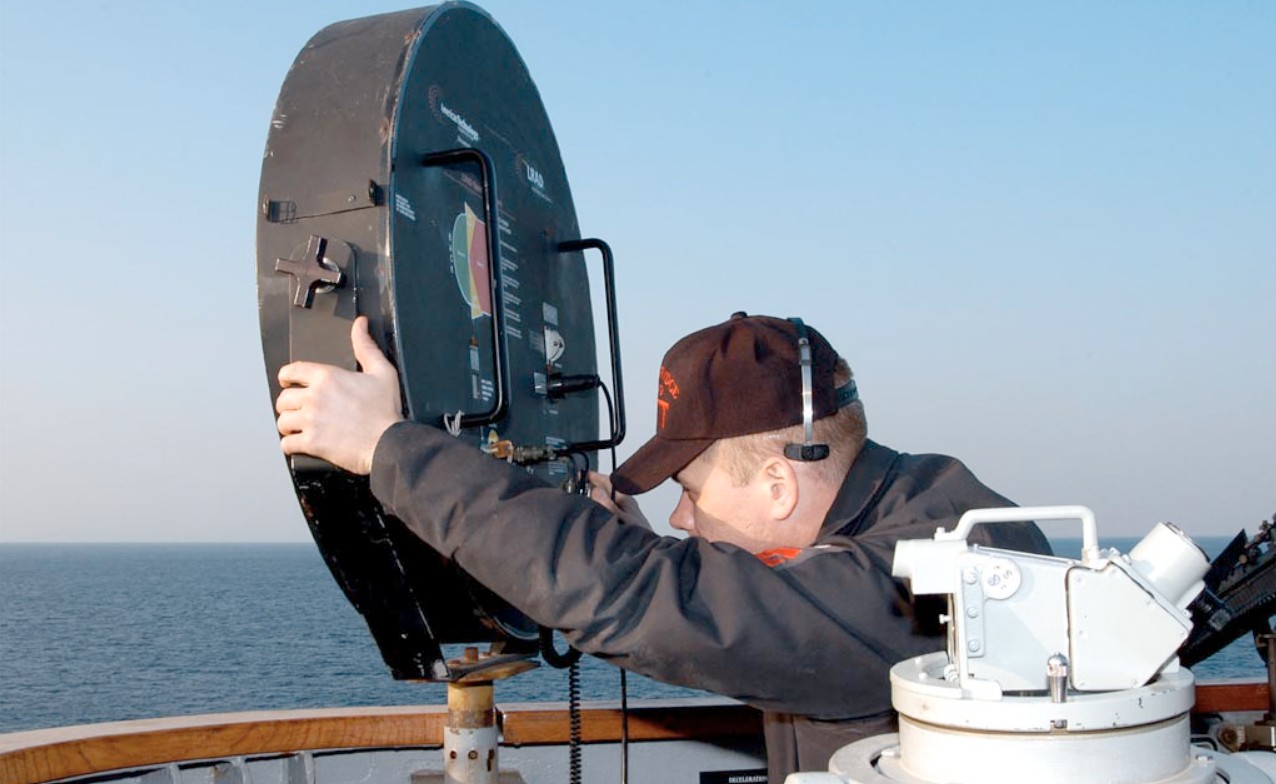
At its essence, a sonic weapon leverages sound waves, rarely discernible to the human ear, which can potentially incapacitate or disorient individuals. This aligns with reports of diplomatic personnel experiencing unusual symptoms possibly induced by similar mechanisms.
“What’s most unsettling is the invisible nature of these sound waves, transcending barriers and leaving no evidence.”
The Science Behind Sonic Devices
Sound, a mechanical wave propagated through a medium like air or water, can exert significant force. When weaponized, it’s capable of disrupting physical and psychological stability.
Ultrasound frequencies, above human hearing, might cause distressing physiological effects. Conversely, infrasound, frequencies below 20 Hz, is notorious for creating uneasy sensations, furthering the potential of sonic devices as covert tools.
Such experimental technology claims to harness sonic vibrations to achieve debilitating outcomes, exemplifying a powerful, if controversial, method of control.
Technical Specifications
| Feature | Specification |
|---|---|
| Operating Frequency | Infrasound & Ultrasound Range |
| Power Source | Classified High-Capacity Battery |
| Effective Range | Classified, Estimated Up to 1km |
| Deployment | Portable & Vehicle-Mounted Variants |
Historical Context of Sonic Weapons
Sonic devices have peppered history, from maintaining law enforcement to military applications. Reports of sonic harassment date back decades, yet questions about their efficacy persist.
During the Cold War era, sonic concepts drew significant interest, speculated to be tested extensively. Their allure lies in ambiguity, where documented incidents prove challenging to substantiate.
Ethical Considerations and Debates
The use of sonic technology raises significant ethical concerns, primarily due to its invisibility and potential harm without clear evidence of use. This opaqueness poses a substantial threat, potentially violating human rights and international warfare laws.
Academics, policymakers, and human rights advocates rally against the normalization of such undeclared weaponry, warning of its potential to unsettle global stability.
Political Implications in Venezuela
The narrative of a sonic weapon in Venezuela is as enthralling as it is complex. As Maduro faces international opposition, the possibility of technologically advanced maneuvers to destabilize his regime warrants intense scrutiny.
Should a sonic weapon be part of efforts against Maduro, it exemplifies the extreme lengths some may pursue for political advantage, involving tools that traditionally belong to the realm of science fiction.
Facing a myriad of conspiracies, Nicolas Maduro remains defiant. His administration’s discourse oscillates between dismissing these claims and leveraging them to reinforce internal control, framing them as attacks on national sovereignty.
As the debate over the alleged sonic weapon and its potential implication unfolds, it symbolizes broader themes of power, technology, and untold narratives in contemporary geopolitics.