

BAE Systems’ Amphibious Combat Vehicle (ACV) Program
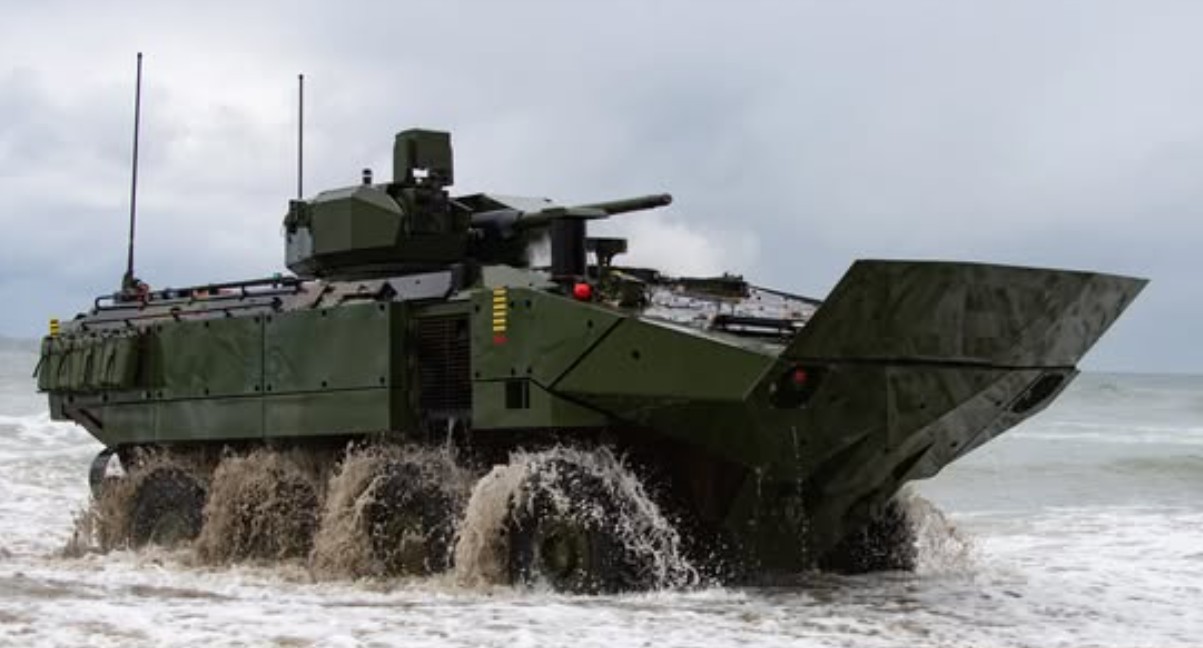
BAE Systems has established itself as a key player in the field of military vehicles with its Amphibious Combat Vehicle (ACV) program, a critical component for the modernization of the U.S. Marine Corps. The selection of BAE Systems’ ACVs by the U.S. Marine Corps, particularly those equipped with the powerful 30mm cannon, marks a significant advancement in the Corps’ amphibious capabilities.
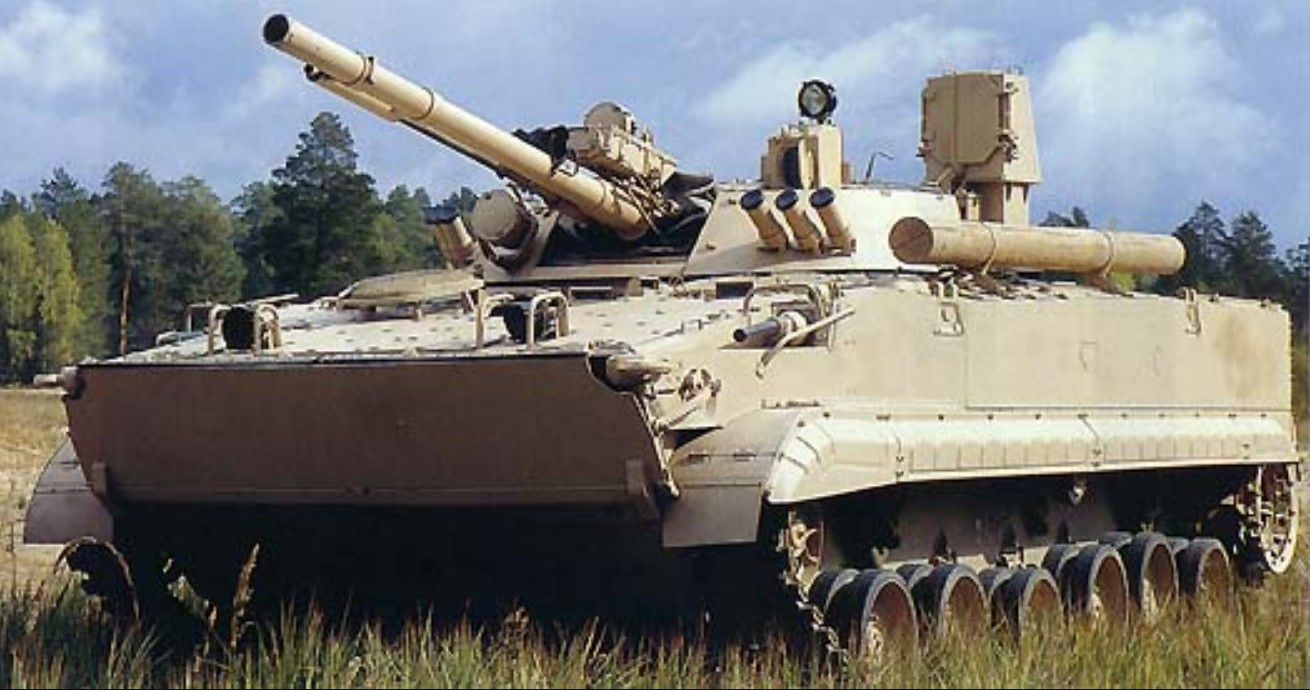
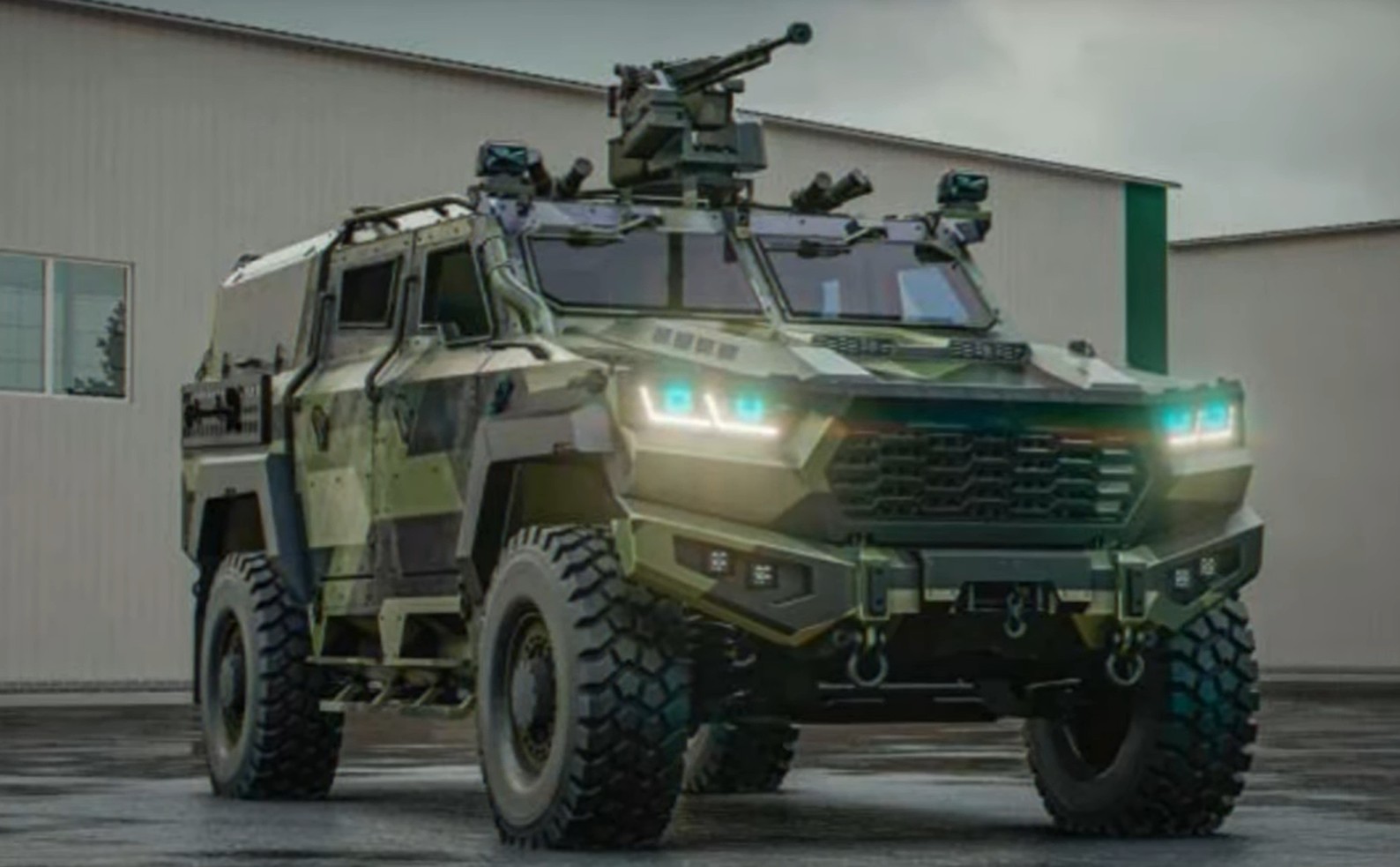
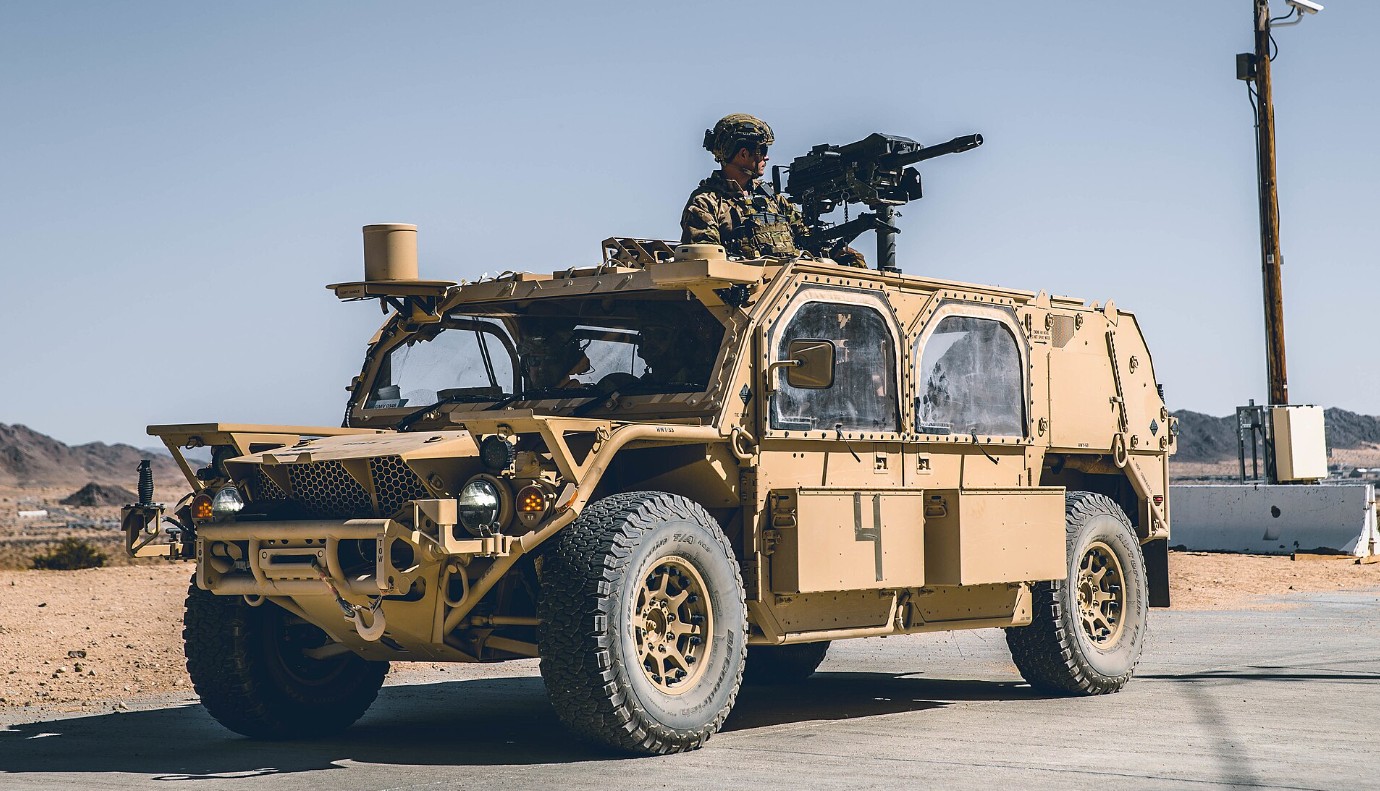
Features of the ACV 30mm
The ACV is designed to provide a significant boost in both lethality and survivability for Marines. The integration of a 30mm cannon into the ACV brings enhanced firepower that supports both defensive operations and offensive assaults on challenging terrains. This firepower upgrade is pivotal, providing the Marine Corps with the ability to neutralize a wide range of threats on the battlefield.
Key Specifications
| Feature | Specification |
|---|---|
| Primary Armament | 30mm autocannon |
| Secondary Armament | 7.62mm coaxial machine gun |
| Crew Capacity | Driver, gunner, and commander plus up to 13 infantry |
| Armor Protection | Advanced composite and layered armor |
| Mobility | Amphibious operations capable with high off-road mobility |
Enhanced Capabilities
The ACV is not just about offensive capability; it’s crafted to ensure survivability and tactical effectiveness. Featuring armor that is engineered to withstand small arms fire and artillery fragments, the ACV also incorporates C4ISR (Command, Control, Communications, Computers, Intelligence, Surveillance, and Reconnaissance) capabilities, allowing for seamless battlefield integration and situational awareness.
The versatility of the 30mm ACVs doesn’t end with firepower. The design accommodates various combat scenarios, enabling Marines to deploy swiftly in aquatic environments, thanks to its robust buoyancy capabilities. This attribute ensures that the vehicles can seamlessly transition from sea to land operations, a cornerstone of Marine Corps strategy.
Strategic Importance to the Marine Corps
The selection of the 30mm armored vehicles by the U.S. Marine Corps is a strategic game-changer. It not only replaces the aging fleet of Amphibious Assault Vehicles (AAV) but also fortifies the Marine Corps’ operational capabilities in coastal and littoral zones. With an emphasis on Expeditionary Advanced Base Operations (EABO), the new ACVs offer a path to future engagements that demand speed, flexibility, and adaptability against peer adversaries.
Lethality and Power Projection
The transformational impact of boosting the weaponry of these vehicles to a 30mm cannon cannot be overemphasized. This upgrade dramatically enhances lethality against enemy armored vehicles and fortifications. Additionally, the ability to project greater power from a single platform serves to deter potential adversaries and assure allies of the United States’ commitment to maintaining global security.
Development and Production
BAE Systems has prioritized a rigorous testing and evaluation process to ensure that their ACVs meet or exceed performance expectations. This approach involves sustained engagement with Marine Corps units to gather feedback and implement improvements, ensuring that the platform remains at the cutting edge of amphibious warfare technology.
Production timelines remain tight, as BAE Systems ramps up its manufacturing capabilities to supply the Marine Corps with these advanced vehicles. The transition to these new platforms also involves comprehensive training programs for operators, ensuring they are well-prepared to maximize the capabilities of their new vehicles.
Towards Modernized Military Operations
BAE Systems’ partnership with the U.S. Marine Corps signifies a transformational phase in combat vehicle design and deployment. The introduction of 30mm cannon-equipped ACVs promises to reshape amphibious assault strategies and capabilities. With a focus on improved firepower, survivability, and interoperability, these vehicles form a keystone in the Marine Corps’ mission to maintain a formidable, responsive, and efficient amphibious force ready for action in evolving combat scenarios.