


The Future of Hypersonic Flight: The SR-72 Darkstar
In the fast-paced world of aerospace innovation, few projects have generated as much intrigue and speculation as the Lockheed Martin SR-72 “Darkstar.” This proposed hypersonic aircraft, anticipated as the successor to the legendary SR-71 Blackbird, is designed to achieve speeds exceeding Mach 6. As with its predecessor, the SR-72 promises to redefine the boundaries of aerial reconnaissance and strategic capabilities in the modern era.

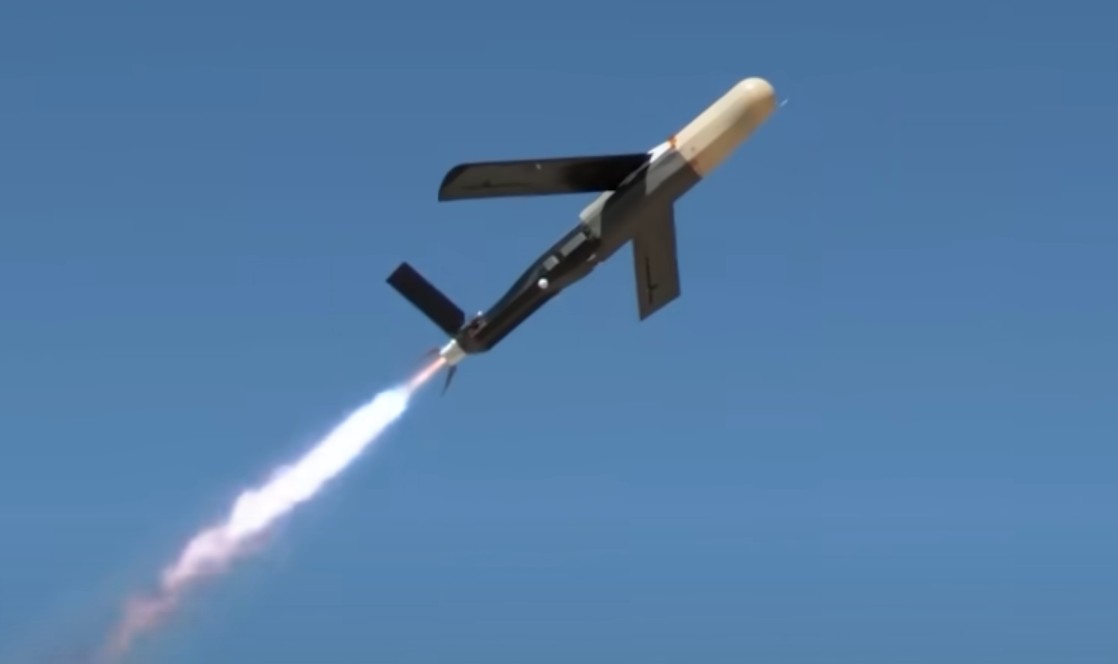
Unveiling the Mystique
Since its initial concept reveal, the SR-72 has been cloaked in a veil of secrecy, with Lockheed Martin adopting a cautious approach to its development disclosures. This stealthy strategy is not uncommon for military projects of such magnitude; however, it has led to a surge of speculation and intrigue. The development of the aircraft is believed to be overseen by the Skunk Works division, the team responsible for many of Lockheed Martin’s most groundbreaking aerospace projects.
Innovative Design and Engineering
At the core of the SR-72’s revolutionary design is its propulsion system. Achieving hypersonic speeds demands an advanced engine technology that only a few have dared to conceptualize. Reports suggest that the aircraft may employ a turbine-based combined cycle (TBCC) propulsion system. This system utilizes a combination of a jet engine and a ramjet, allowing the aircraft to accelerate to hypersonic speeds. The TBCC technology is crucial for an aircraft tasked with cutting through the stratosphere at speeds greater than 4,600 mph.
Technology and Tactical Advantage
The envisaged capabilities of the SR-72 are significant. High-speed reconnaissance missions will permit real-time intelligence gathering, a capability that is increasingly vital in a world where threats can emerge in moments. The ability to penetrate heavily defended airspace unnoticed grants military planners the foresight and agility necessary to adapt to unfolding scenarios rapidly.
The aircraft’s design is masterfully molded for stealth, with a focus on evading radar detection. Its sleek lines and advanced materials contribute to this low observability, ensuring it remains a ghost in the skies. Such design considerations are not just for military prowess; they represent technological marvels in engineering and material science, bringing to life an aircraft that functions as much as a piece of modern art as a machine.
Challenges and Controversies
One of the significant challenges in developing the SR-72 revolves around the materials needed to withstand the extreme conditions experienced during hypersonic flight. Temperatures experienced at these speeds can reach up to 2,000 degrees Fahrenheit, necessitating materials that can endure without degrading. Overcoming these technical hurdles is pivotal for the aircraft’s operational success, demanding innovation at the atomic level and embracing the cutting edge of material science.
Controversy surrounds the SR-72 not merely because of its breakthrough technologies, but also due to the broader implications of its deployment. Critics argue about the potential for escalating arms races focused on hypersonic capabilities, while proponents highlight the technological and strategic deterrence advantages the craft could offer. As nations race to secure their spot in the hypersonic game, the geopolitical landscape is poised for transformation.
A Glimpse Into the Future
The SR-72 is not merely a concept but an illustration of future warfare and aerospace capability. It exists at the intersection of science fiction and reality, where the limits of human technological achievement are constantly tested and expanded. As it stands, much about the SR-72 remains speculative, yet it undeniably signals the emerging frontier of military aviation.
The timeline for the SR-72’s full capability is still not fully disclosed, with some projections aiming for the 2030s. This uncertainty further fuels speculation, encouraging enthusiasts and critics alike to dissect each new piece of information that surfaces, analyzing potential timelines and capabilities with the fervor of a cryptologist.
Technical Specifications Table (Speculative)
| Specification | Details |
|---|---|
| Maximum Speed | Mach 6+ |
| Range | N/A |
| Propulsion | Turbine-Based Combined Cycle (TBCC) |
| Width | N/A |
| Height | N/A |
| Crew | Unmanned |
While the SR-72 Darkstar remains shrouded in secrecy, its potential impact on the future of aerial combat and reconnaissance is undeniable. The ongoing development, a tapestry of cutting-edge technology and strategic foresight, ensures that the world watches Lockheed Martin’s next move with bated breath.