


The U.S. Navy’s Conventional Prompt Strike (CPS) program represents a transformative leap in military capabilities, aimed at enhancing national security with cutting-edge technology. The CPS initiative seeks to provide the United States with the ability to strike targets with high precision at a considerable distance within less than an hour, thereby reinforcing deterrence and ensuring rapid response capabilities against emerging global threats.


Understanding the Conventional Prompt Strike Program
The Conventional Prompt Strike program is part of the United States’ broader strategic objective to maintain military superiority in a rapidly evolving global landscape. Designed to deliver conventional warheads at hypersonic speeds, CPS enhances the U.S. Navy’s capabilities dramatically, allowing for precise, long-range, and rapid strikes. This initiative significantly bolsters the U.S.’s ability to act in time-sensitive situations, where defeating adversaries swiftly could be crucial.
Technical Specifications and Development
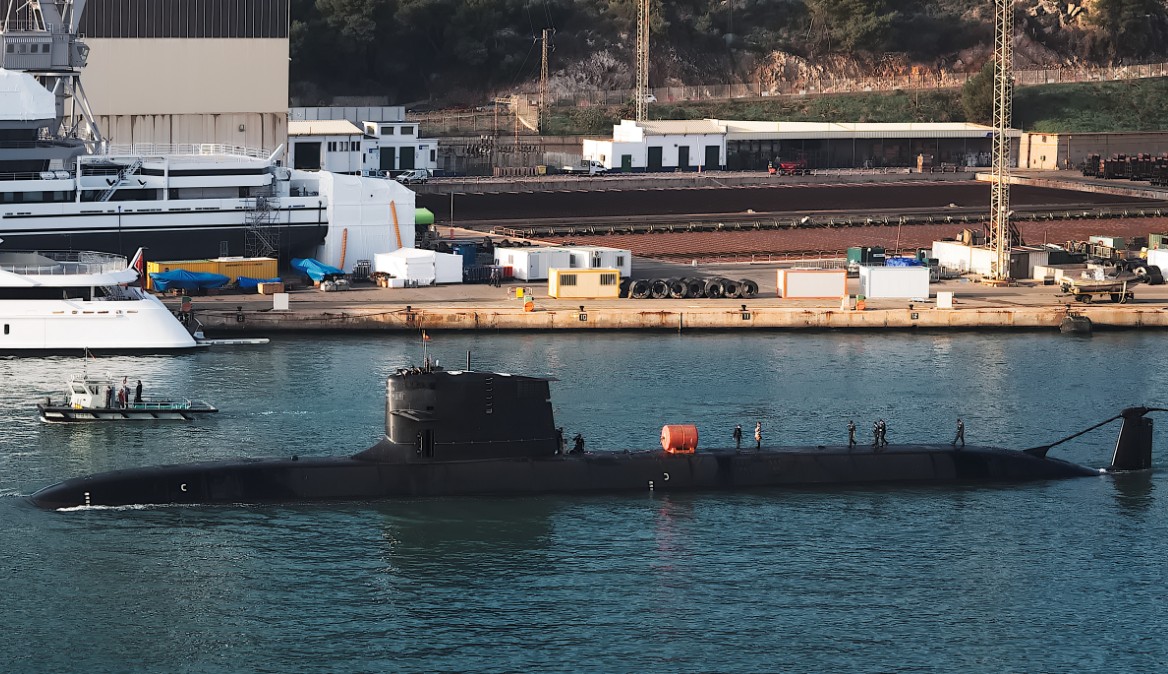
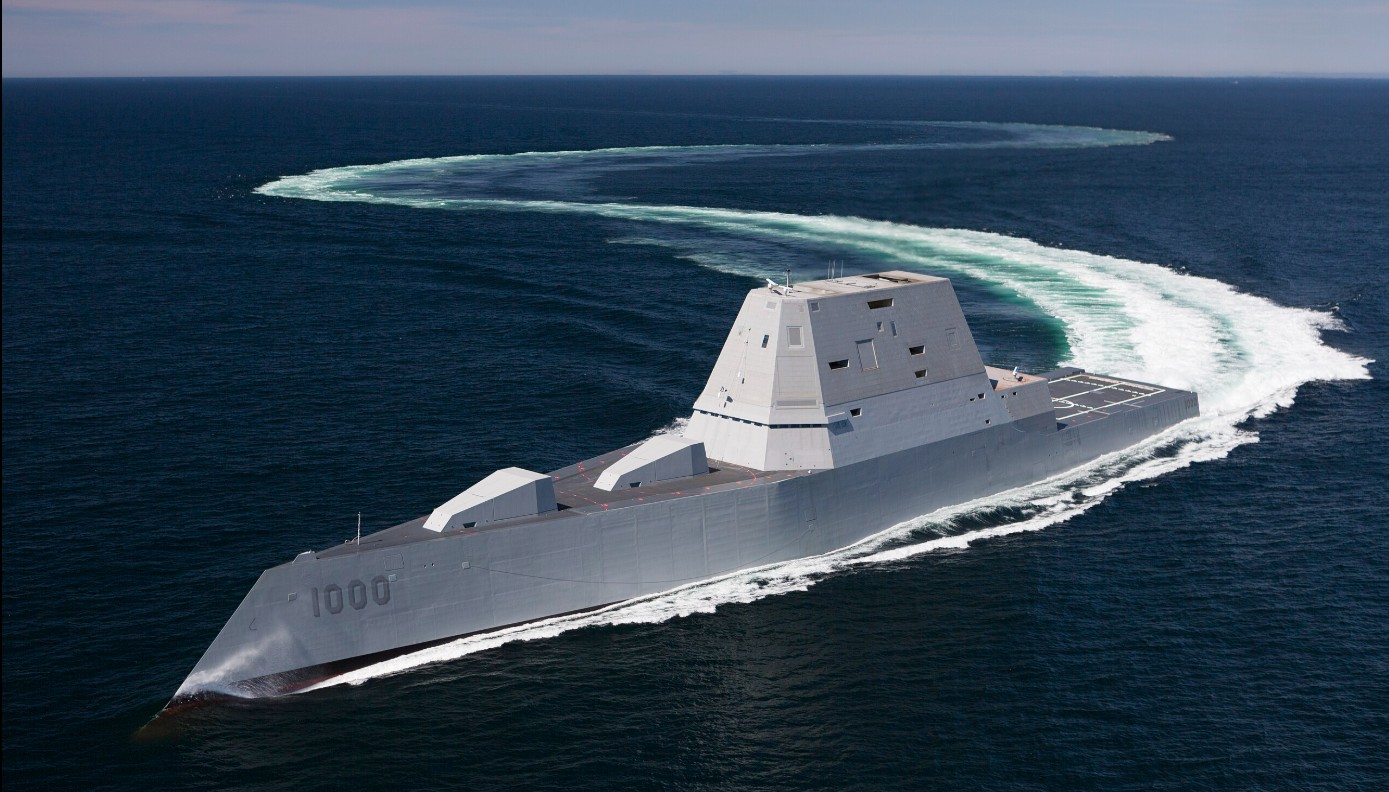
The development of the CPS program harnesses cutting-edge technologies, including advanced propulsion systems and high-precision navigation and guidance systems. The weapons are designed for maximum aerodynamics and speed, operating at hypersonic speeds greater than Mach 5. While specific technical details remain classified, the CPS is designed to be launched from both surface platforms and submarines, providing flexible launch options.
| Specification | Details |
|---|---|
| Speed | Mach 5+ (Hypersonic) |
| Range | Varies; exact ranges are classified |
| Launch Platforms | Surface vessels and submarines |
Strategic Importance and Benefits
One of the CPS program’s main advantages is its potential to enhance deterrence. By possessing the capability to neutralize threats rapidly and precisely, it serves to discourage potential adversaries from aggressive actions. Additionally, the development of such technologies further solidifies U.S. leadership in military advancements, particularly in the realm of hypersonic weaponry, which many view as the next frontier in modern warfare.
Strategic Flexibility: The CPS program enhances the U.S. military’s strategic flexibility, enabling decision-makers to opt for conventional strikes in scenarios where nuclear engagement would be disproportionate.
Risk Mitigation and Precision: By providing hyper-accurate targeting, CPS systems reduce civilian casualties and collateral damage, which aligns with the broader strategic goals of minimizing unnecessary harm during military engagements.
CPS and International Dynamics
Globally, the development of the CPS program affects international dynamics, particularly with significant geopolitical competitors such as China and Russia, who are also investing heavily in hypersonic technologies. It sparks an arms race, focusing on speed and precision rather than sheer destructive power, marking a shift in military strategic paradigms.
The CPS’s capability to bypass some traditional missile defense systems due to its high speed adds a complex layer to global security dynamics. This compels nations to advance their detection and interception technologies, adapting to the changing nature of warfare.
Future Prospects and Challenges
While the potential benefits of the CPS program are significant, it also faces several challenges. The technical hurdles of developing reliable and effective hypersonic systems are substantial, requiring ongoing research and substantial investment.
There is also the international legal and ethical debate concerning the deployment of such advanced weaponry, which may require new treaties or updates to existing arms control agreements to address potential destabilization concerns.
The CPS program stands at the forefront of future warfare innovation, with the U.S. Navy and its partners dedicated to overcoming these challenges. This commitment ensures the U.S. remains poised to secure its national interests while promoting stability and peace internationally.