

Revolutionizing Naval Combat
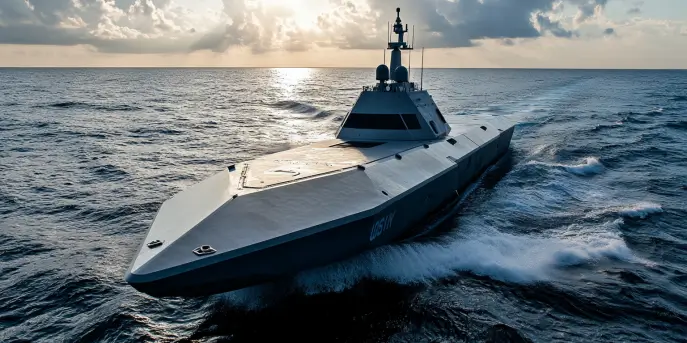
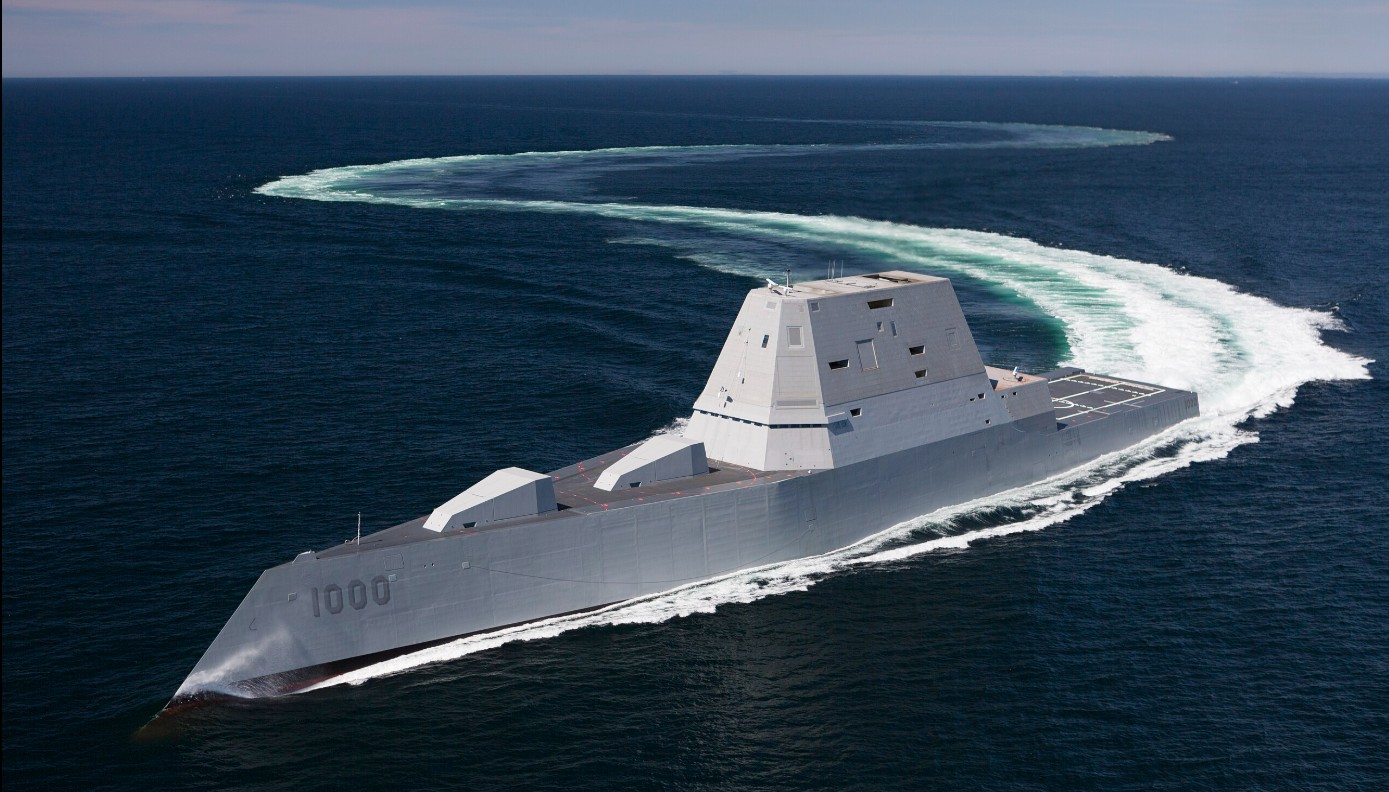
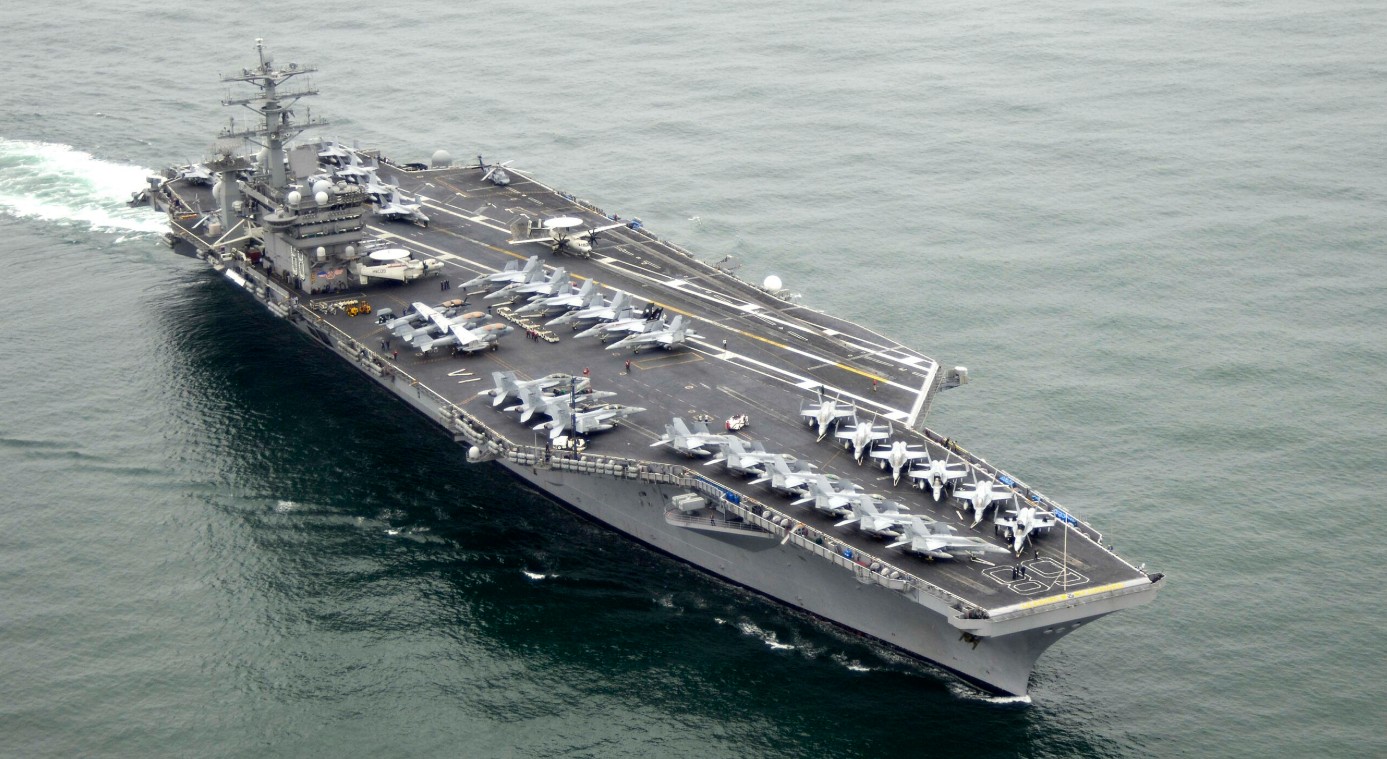
The United States Navy is ushering in a new era of naval warfare with the deployment of the Zumwalt-class destroyers. Designed for stealth and equipped with advanced technologies, these vessels represent a significant upgrade in the Navy’s capability to project power across the globe. The Zumwalt-class not only challenges the traditional conventions of naval engineering but also sets a new standard for maritime operation.
A Game-Changer in Stealth and Design
The Zumwalt-class destroyers are renowned for their sleek, angular design which minimizes the ship’s radar cross-section. This stealth capability allows the ships to engage opponents undetected, maintaining a strategic advantage in warfare. Unlike traditional destroyers, these ships employ a wave-piercing tumblehome hull form, improving stability as well as speed in various sea conditions.
Cutting-Edge Technology
At the heart of the Zumwalt-class destroyers are cutting-edge technologies that enhance performance and operational capabilities. A notable feature is the integrated power system (IPS), a pioneering design that provides power across the vessel, facilitating advanced weapon systems like electromagnetic railguns and laser weapons. This system not only allows for a fully electric ship but one that has the potential to power future high-energy systems.
Moreover, state-of-the-art software systems integrate seamlessly to ensure efficient operation and maintenance, leveraging IT-centric technology for better cyber operations and warfare resilience.
Specifications and Capabilities
| Specification | Detail |
|---|---|
| Length | 610 feet (185.9 meters) |
| Beam | 80.7 feet (24.6 meters) |
| Displacement | 15,000 tons |
| Speed | 30 knots (56 km/h; 35 mph) |
| Range | 8,000 nautical miles (15,000 km) |
| Crew | 158 officers and enlisted personnel |
| Armament | Peripheral Vertical Launch System, 155 mm Advanced Gun System, LRASMs, Tomahawk, ESSM |
Armament and Personalization
The Zumwalt-class destroyers are equipped with the Peripheral Vertical Launch System (PVLS) that offers flexible armament options. These can include Long-Range Anti-Ship Missiles (LRASMs), Tomahawk cruise missiles, and Evolved Sea Sparrow Missiles (ESSM), thus adapting to multiple combat scenarios. Additionally, the 155 mm Advanced Gun System provides precise support for ground operations with its long-range land attack functionality.
Unique Command System
With reduced manning requirements, the Zumwalt’s operational model is distinctly modern. Utilizing advanced automation, the ship operates more efficiently with fewer crew members compared to its predecessors, showcasing sophisticated command and control capabilities. The Distributed Common Ground System-Navy (DCGS-N) is a noteworthy component, offering enhanced situational awareness and seamless data sharing.
The Bigger Picture
As the Zumwalt-class destroyers embark on their sea trials, their deployment represents more than just technological advancement—it symbolizes the U.S. Navy’s commitment to maintaining global maritime superiority. The increased focus on stealth and speed allows the U.S. to project its power more effectively over vast expanses of ocean, deterring potential conflicts and ensuring allied nations’ security.
Furthermore, the adaptability of the Zumwalt-class makes them a crucial asset in diverse mission profiles, from traditional warfare to humanitarian aid, thus emphasizing their multifunctional role in modern conflict.
Challenges and Criticism
Despite its advancements, the Zumwalt-class has faced scrutiny regarding cost overruns and delays during its development. The initial budget projections were exceeded significantly, leading to critiques over military spending efficiency. However, advocates argue that the capabilities gained far outweigh the initial financial hurdles, projecting these expenditures as essential investments for future defense preparedness.
Looking Forward
As these formidable ships fully integrate into the naval structure, their true potential on the open waters remains a point of keen observation among military analysts and enthusiasts. The successful integration of the Zumwalt-class destroyers signals a shift toward embracing innovative ship designs and strategies in naval operations worldwide.
The impending success of the Zumwalt-class trials will likely shape future developments in naval engineering, encouraging a broader implementation of high-tech solutions across navies worldwide. For the U.S. Navy, the sea trials of the Zumwalt-class promise not only to enhance their strategic dominion but also to champion the forefront of maritime defense innovation.
The anticipation surrounding these destroyers is a testament to the evolving nature of warfare, where technological superiority can dictate the boundaries of power and strategy.