

Revolutionizing Modern Warfare: The Role of Unmanned Aerial Vehicles
In the rapidly evolving landscape of military technology, the development of unmanned aerial vehicles (UAVs) like Turkey’s Bayraktar drones is altering the dynamics of air combat. These drones are not merely tools of surveillance and reconnaissance, but formidable partners in combat operations, particularly when teamed with next-generation fighter jets.
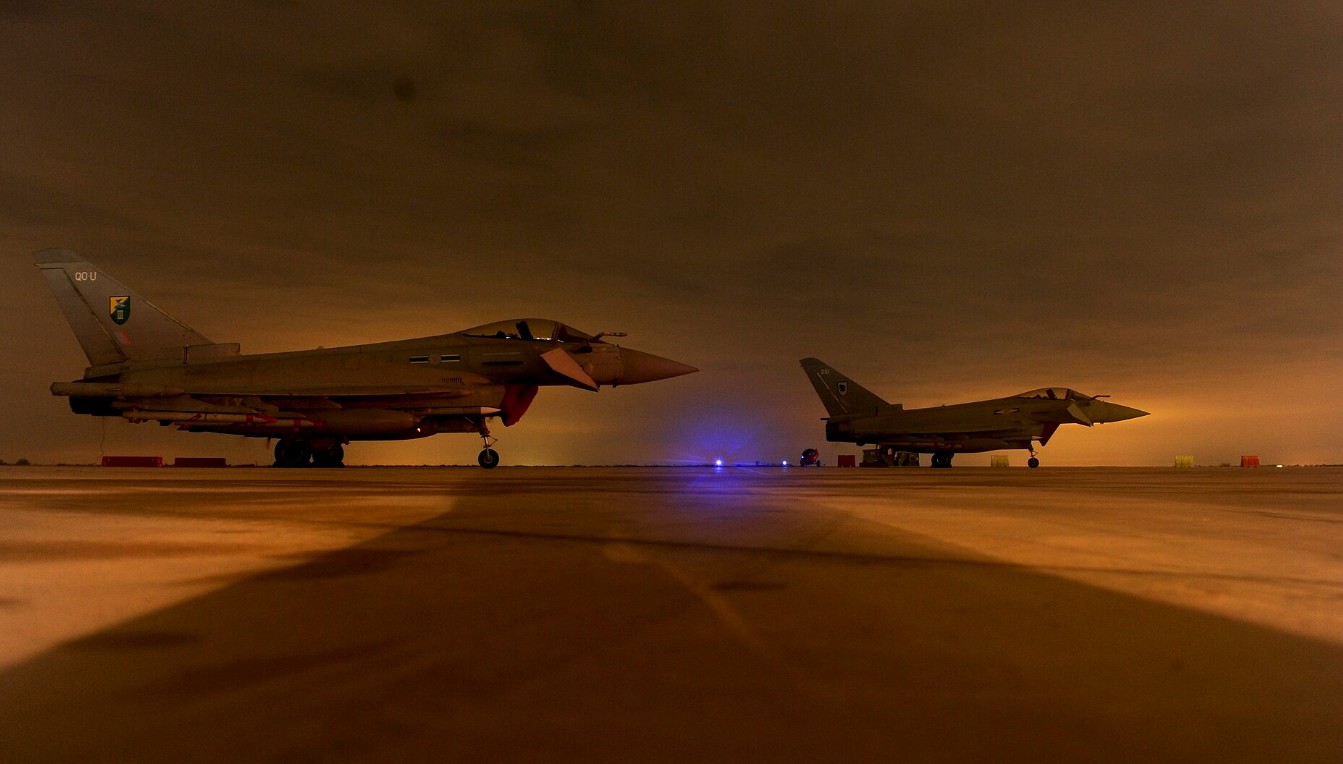
As countries race to develop sixth-generation fighter aircraft, the concept of a ‘loyal wingman’—an autonomous aircraft that supports manned fighters in missions—becomes increasingly critical. Turkey’s Bayraktars have emerged as pivotal players in this arena, enhancing capabilities and expanding the operational reach of these cutting-edge fighters.
The Bayraktar: A Proven Asset
The Bayraktar drones, developed by Turkey, have gained considerable attention globally due to their efficiency and effectiveness in various combat roles. These UAVs have been deployed in several conflicts, displaying their prowess in both ISR (intelligence, surveillance, and reconnaissance) and tactical attack missions. The performance of Bayraktar drones in real-world scenarios has provided invaluable data and experience for integrating UAVs with advanced manned aircraft systems.
Key Specifications
| Aspect | Detail |
|---|---|
| Manufacturer | Baykar |
| Range | 150 kilometers |
| Operational Altitude | 18,000 feet |
| Endurance | 27 hours |
| Payload Capacity | 150 kg |
Enhancing Capabilities with Loyal Wingman Concepts
The emergence of Generation 6 fighters signifies not just an evolution in speed and stealth, but also a shift towards a networked combat strategy. These fighters are anticipated to incorporate highly sophisticated artificial intelligence systems, augmented reality, and the capability to control multiple UAVs simultaneously.
The role of the Bayraktar within this framework is to function as a ‘force multiplier.’ In essence, deploying these drones in tandem with manned aircraft facilitates a broader situational awareness in the theatre of operations. Equipped with sensors and weaponry, Bayraktars can engage in direct combat or relay critical tactical data back to piloted jets, allowing human pilots to focus more on strategic decision-making.
- Advanced Data Relay: The drones act as nodes in a communication and data-sharing network, allowing real-time sharing of battlefield conditions and target acquisition.
- Cost-Effective Operations: UAVs offer a lower-cost alternative for missions that might otherwise endanger human pilots or require significant resources.
- Increased Mission Flexibility: By integrating UAV capabilities, armed forces gain the flexibility to conduct both offensive and defensive operations with greater precision and fewer assets.
Strategic Advantages on a Global Scale
Turkey’s strategic use of Bayraktar drones has already demonstrated significant geopolitical implications. In conflicts such as those in Syria and Libya, these UAVs have shifted tactical balances and showcased the strategic merit of having a reliable unmanned wingman. Furthermore, global interest in Turkey’s UAV technology has surged, with several countries seeking to integrate similar capabilities into their own defense strategies.
Building a modern air force around a combination of manned and unmanned platforms offers strategic advantages by maximizing force multipliers while minimizing risk to human life. This synergy allows for more diversified mission sets and the flexibility to adapt to rapidly changing battlefield conditions, a speed not possible in traditional setups.
Challenges and Future Developments
Despite their potential, there are challenges in fully integrating UAVs like the Bayraktar with new fighter generations. Issues related to airspace management, cybersecurity, and reliable AI decision-making systems are critical hurdles to overcome.
Research and testing continue to address these challenges. The development of robust AI systems that can dynamically navigate complex airspaces and engage in cooperative combat with manned aircraft is crucial. Furthermore, ensuring secure communications channels to prevent jamming or hijacking remains a priority.
Looking ahead, collaboration between countries in developing these systems highlights the importance of international standards and partnerships in UAV development. The future of air combat involves not only national defense concerns but also the broader implications of global security.
Conclusion: A New Era of Air Combat
The integration of Turkey’s Bayraktars as loyal wingmen for next-gen fighters marks a significant shift in military aviation, promising increased efficiency, safety, and effectiveness. As nations continue to develop and refine these technologies, the landscape of aerial warfare will continue to transform, casting a new era in the annals of military history where man and machine work in unison towards maintaining global security.