

Overview of Submarine Fleets
The underwater arena has long been a strategic battlefield where superpowers strive for dominance. The U.S. and Russia, possessing the world’s largest navies, have maintained significant submarine fleets that serve as a core component of their naval capabilities. Understanding the strengths, advancements, and roles of these fleets provides insight into their strategic maritime operations.
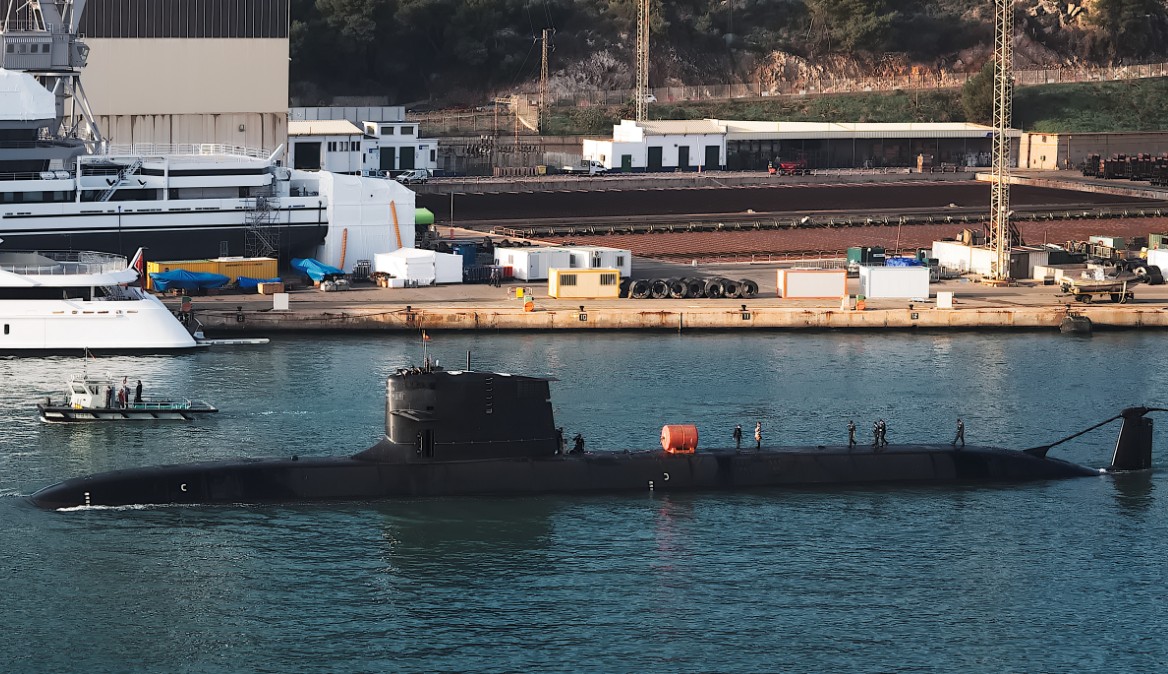
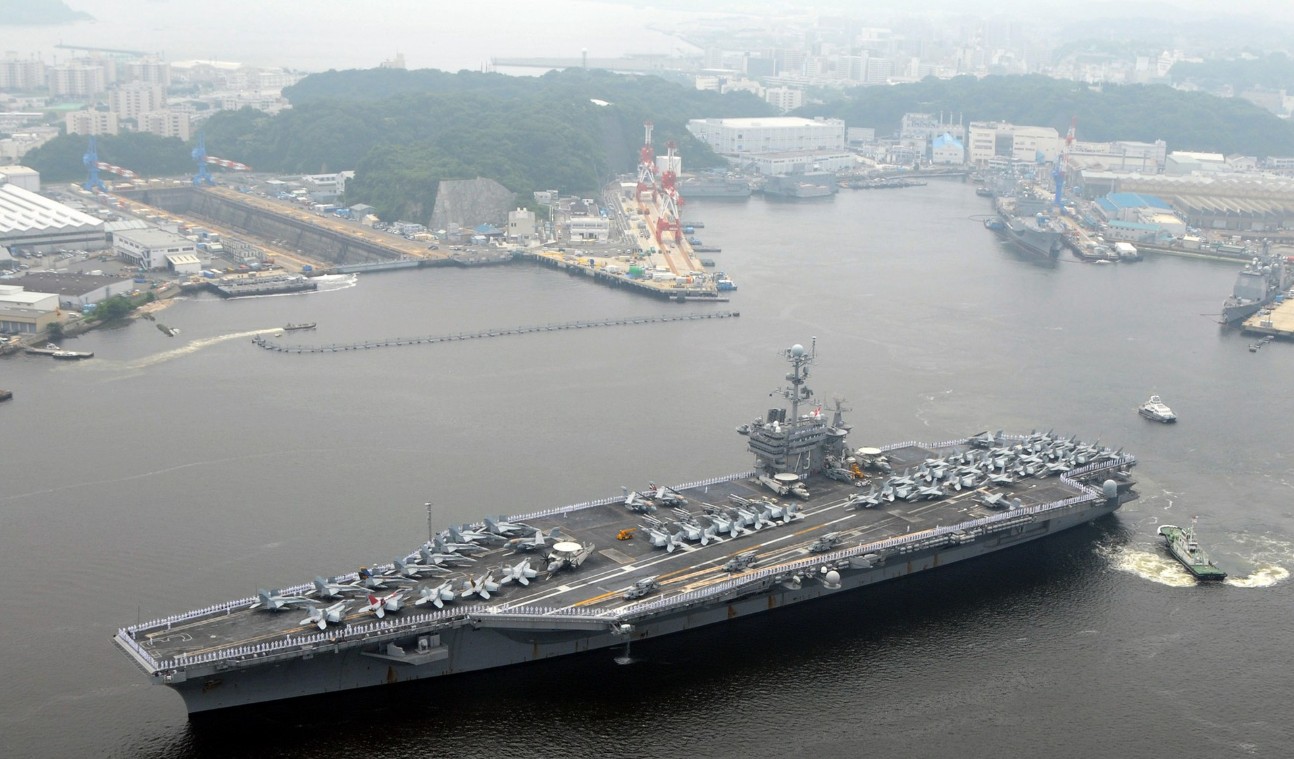
The U.S. Submarine Fleet
The United States Navy maintains one of the world’s most advanced and formidable submarine fleets. Comprising ballistic missile submarines (SSBNs), attack submarines (SSNs), and guided missile submarines (SSGNs), the fleet serves multiple roles in both offensive and defensive naval strategies.
- **SSBNs (Ballistic Missile Submarines):** Known as “boomers,” these vessels are pivotal in the U.S. nuclear triad. The Ohio-class SSBNs are nuclear-powered and can carry up to 24 Trident II D5 ballistic missiles each.
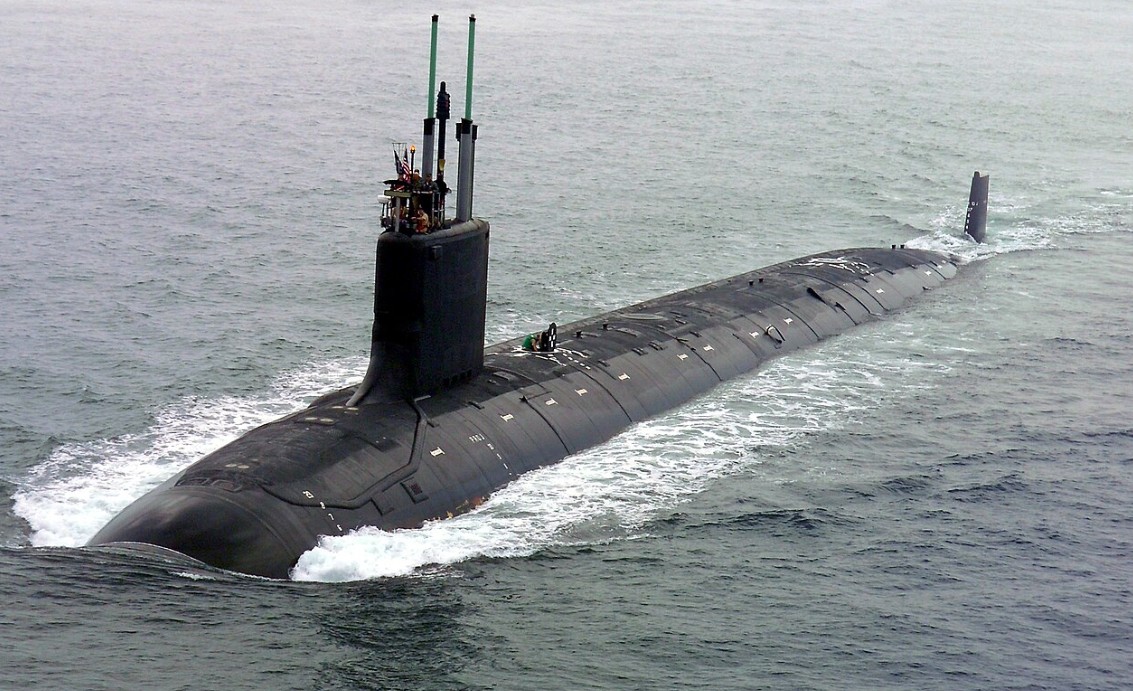
- **SSNs (Attack Submarines):** The Virginia-class and Los Angeles-class SSNs are engineered for covert intelligence, surveillance, reconnaissance, and destroying enemy vessels. Their versatility allows them to perform in open-ocean and littoral missions.
- **SSGNs (Guided Missile Submarines):** The converted Ohio-class submarines can deliver a significant payload of Tomahawk cruise missiles, acting as formidable stealth warfare platforms.
Technological Advantages
The U.S. submarine fleet is renowned for its technological innovation. Advanced sonar systems, quieting technologies, and superior nuclear reactors offer unparalleled operational capabilities. Autonomous underwater vehicles (AUVs) and unmanned subsea technology are becoming instrumental in extending surveillance and operational reach.
Russian Naval Power Beneath the Waves
Russia’s navy, characterized by its legacy and innovations, continues to invest in its submarine fleet to assert strategic dominance. The Russian submarine force includes a mix of ballistic missile submarines (SSBNs), attack submarines (SSNs), and cruise missile submarines (SSGNs).
- **SSBNs (Ballistic Missile Submarines):** The Borei-class submarines represent Russia’s strategic nuclear capability, each capable of carrying Bulava missiles with multiple warheads.
- **SSNs (Attack Submarines):** The Yasen-class is the latest in advanced Russian attack submarines, designed for multi-role missions, including anti-ship warfare and deep-sea operations.
- **SSGNs (Cruise Missile Submarines):** The Oscar II class remains an essential part of Russia’s ability to project power, equipped to launch several types of cruise missiles.
Modernization Efforts
Russia has undertaken significant modernization of its submarine fleet. Updated stealth technology, improved operational depth, and enhanced weapon systems illustrate a concerted effort to maintain critical underwater capabilities. Such upgrades are crucial given their emphasis on deterrence and forward-deployed offensive operations.
Comparison in Numbers and Capabilities
| Category | U.S. Submarines | Russian Submarines |
|---|---|---|
| Total Submarines | ≈70 | ≈58 |
| SSBNs | 18 | 15 |
| SSNs | 53 | 17 |
| SSGNs | 4 | 11 |
| Nuclear-Powered | All | 85% |
| Max Diving Depth (avg) | 800+ ft | 1000+ ft |
While numerical superiority gives the U.S. an edge in the number of active vessels, Russia’s deeper diving capabilities allow its submarines to undertake more covert operations, making them formidable in specific strategic scenarios.
Strategic Implications
The constant evolution of U.S. and Russian submarine fleets plays a critical role in global security dynamics. Both nations continuously adapt their designs and capabilities to address emerging threats and challenges within international waters, influencing global maritime policies.
Given the increasing focus on Arctic regions and contentious areas in the South China Sea, submarine deployments from both navies signify strategic interests and geopolitical posturing. The presence of ballistic missile submarines ensures second-strike capabilities, maintaining a delicate balance of power.
Future Trends and Developments
Looking forward, technological advancements such as artificial intelligence and hypersonic weapons are likely to shape future submarine designs and strategies. The U.S. and Russia’s investments into next-generation designs and stealth technologies aim to ensure their fleets remain competitive and technologically advanced.
The global community will continue to observe the development and deployment of these underwater assets as a critical indicator of military might and diplomatic negotiations.