

Rethinking Urban Warfare
Urban warfare is a complex and challenging environment that necessitates a unique approach far removed from traditional infantry tactics. Cities and urban sprawls present intricate terrains involving labyrinthine alleyways, towering edifices, civilian-populated zones, and infrastructural challenges, demanding comprehensive strategies to ensure both effectiveness and minimal collateral damage.

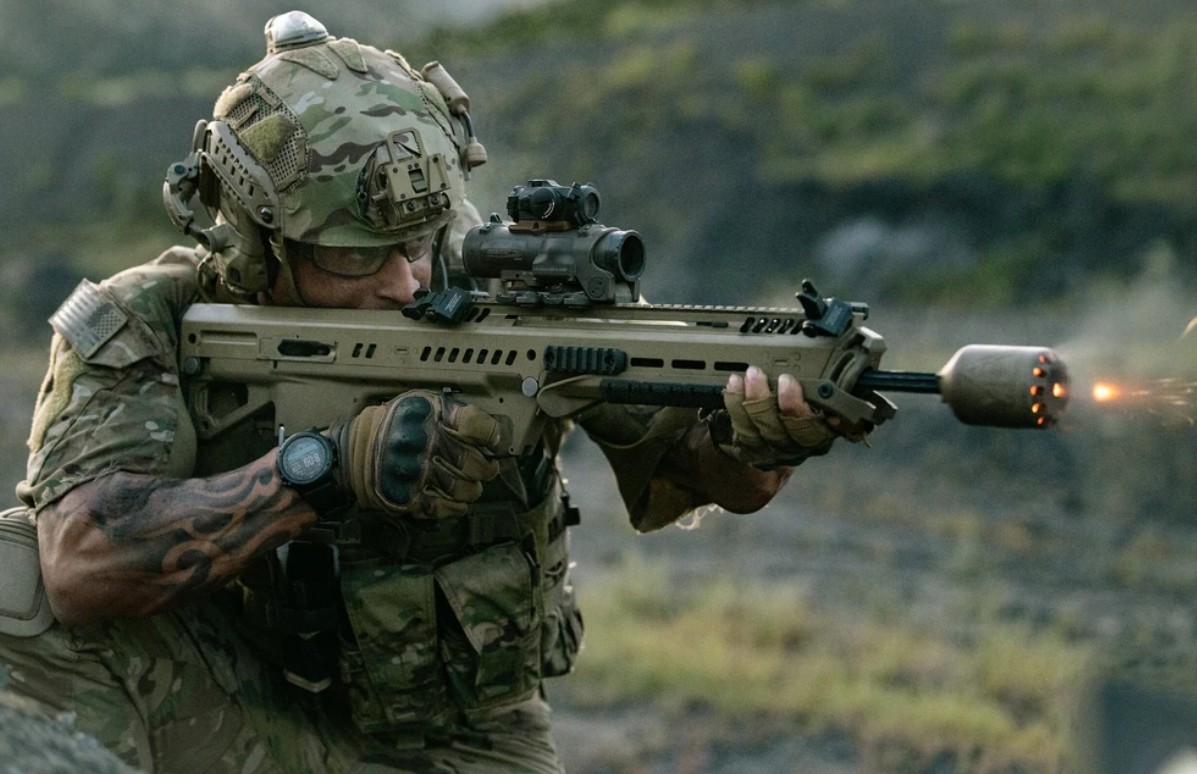
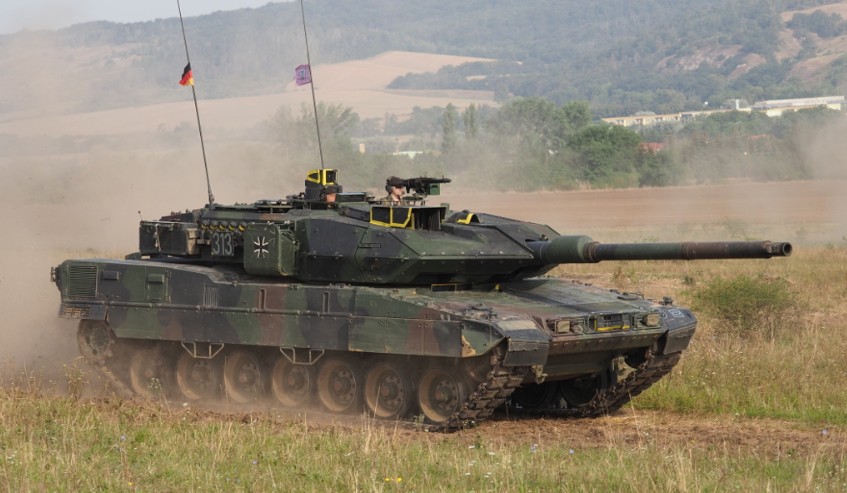
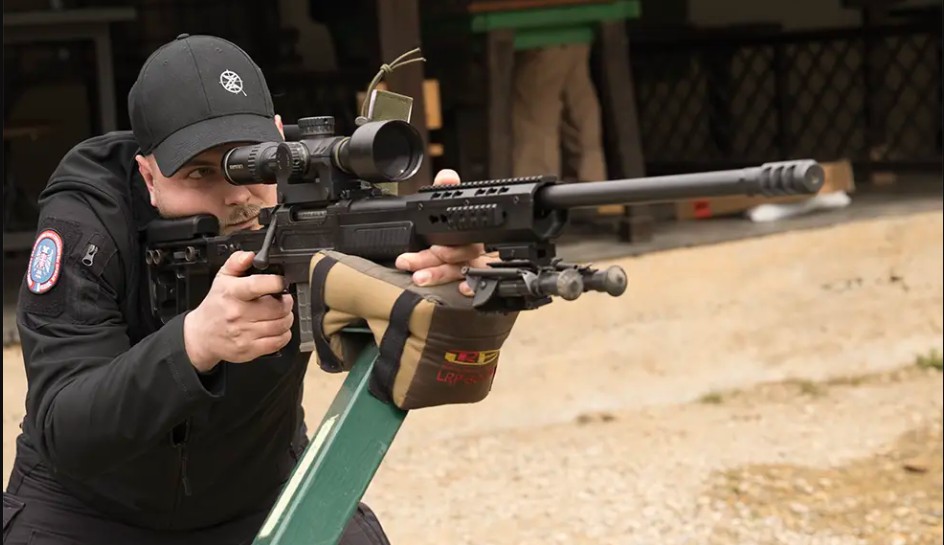
With over half the world’s population now residing in urban areas, militaries are increasingly focusing on urban doctrine — moving beyond the basic infantry tactics that once sufficed in less dense environments.
The Complex Terrain of Urban Areas
The urban landscape is multifaceted, involving not only the physical structure but also the challenges inherent in cultural and sociopolitical dimensions. Built-up areas are distinctive for their three-dimensional operational space, requiring vertical and subterranean awareness in planning and operations. The presence of civilians, host nations’ legal frameworks, and the necessity to maintain essential services further complicate operations.
Key Elements of Urban Doctrine
Modern doctrine emphasizes a multi-layered approach to urban warfare that includes intelligence, technological innovation, and adaptable tactics.
- Intelligence Gathering: Detailed intelligence operations must be conducted before engagement. This includes surveillance for layout understanding, demographic studies, local sentiment analysis, and threat assessment.
- Technological Integration: Utilization of technology such as drones for reconnaissance, AI for data analysis, and advanced communication systems for coordination among units is pivotal.
- Tactical Flexibility: Units must be trained to operate autonomously in intensely kinetic environments. The ability to adapt to shifting scenarios — from room-to-room clearing to handling humanitarian challenges — is critical.
Innovations in Urban Warfare
Military innovation has been spurred by the complexities urban environments present. Here’s a look at some of the critical advancements:
| Innovation | Description |
|---|---|
| Tactical Drones | Small, maneuverable drones are used for surveillance and delivering logistical support in tight urban settings. |
| Robotics | Robots providing support for dangerous tasks such as bomb disposal and safe passage creation. |
| Electronic Warfare (EW) Systems | Systems designed to disrupt communications and reduce adversaries’ operational capabilities, protecting units from IEDs and cyber threats. |
Advanced armor suits with exoskeleton-like capabilities are also in development, offering increased strength and protection for soldiers engaging in close quarters.
Training for Urban Environments
To effectively implement these sophisticated urban doctrines, specialized training programs are paramount. These extend beyond conventional combat training to include:
- Simulation exercises in mock urban settings to hone decision-making and adaptability.
- Collaborative training with municipal services to understand urban infrastructure and develop protocols for minimizing civilian harm.
- Cultural sensitivity programs to educate soldiers on the customs and nuances of occupied territories, reducing friction with local populations.
Such training hones soldiers’ skills not only in combat but also in quick-thinking and peacekeeping operations simultaneously.
Strategic Urban Operations
Strategically, successful urban operations require meticulous planning and the harmonious coordination of all involved elements — land forces, air support, intelligence units, and allied civilian authorities.
Commanders are tasked with balancing aggressive maneuvers and diplomacy, understanding that maintaining the support of the civilian population is often as critical as military victory. Neutralize potential threats while ensuring steady communication and collaboration with local leaders and law enforcement can prevent the alienation of civilians and foster post-conflict reconstruction and stability.
Future of Urban Doctrine
As technological advancements continue to evolve, so must the doctrines governing urban warfare. The future promises more integration of artificial intelligence, big data analytics, and cyber capabilities to enhance decision-making and operational efficiency.
Ultimately, the doctrine is growing to accommodate not just the immediate military objectives but also the long-term goal of securing a sustainable peace amidst increasingly urbanized future battlefields.
Urban doctrine now recognizes the narrative of the battlefield has expanded to include not just the adversary and allies, but the intricacies of human settlement and activity, underscoring the interconnectedness of security and community prosperity.