

The Conceived Promise of Innovation
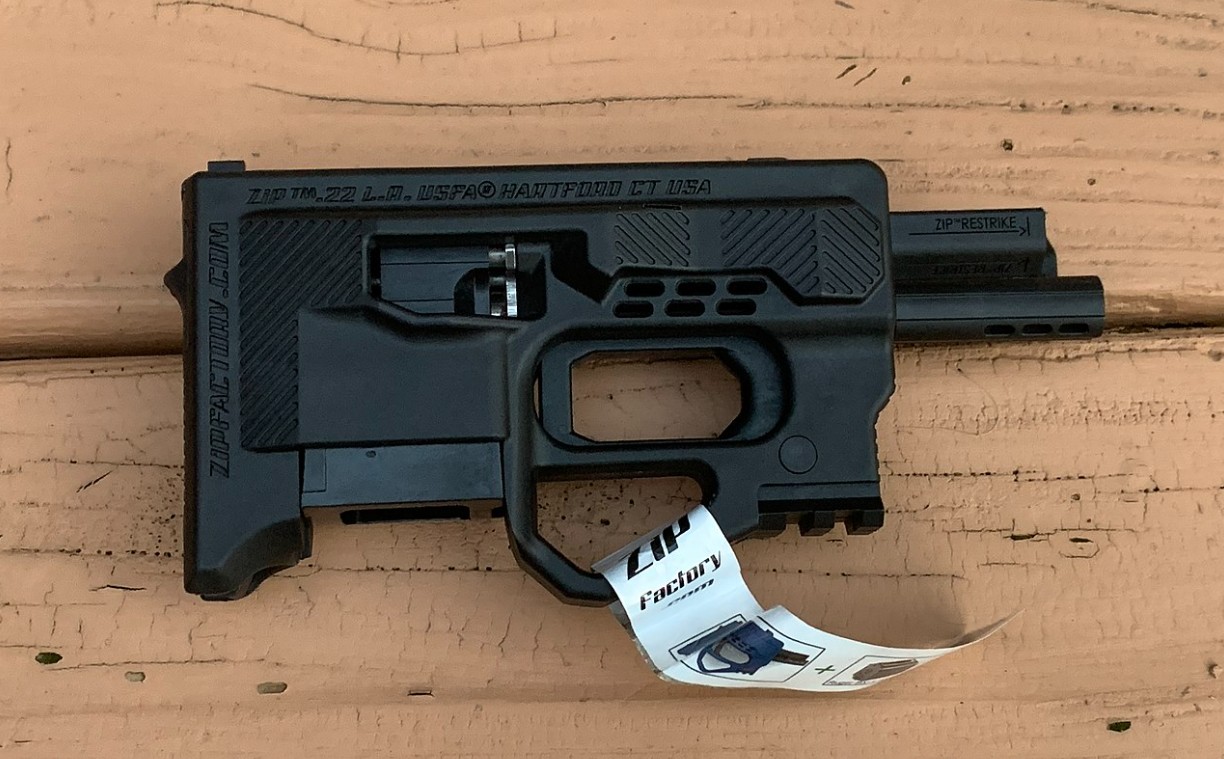
The ZIP .22 began with the promise of innovation and a nod towards futuristic design. Looking at the initial concepts, one could almost imagine a burst of inspiration akin to Tony Stark crafting the next advancement in firearms. The gun’s compactness and modular design concept seemed like steps toward a revolutionary stride in the gun industry. It aimed to be affordable, versatile, and uniquely designed, poised to carve its niche in the market with its zip-loaded feature that promised quick reloading.
Design and Ergonomics
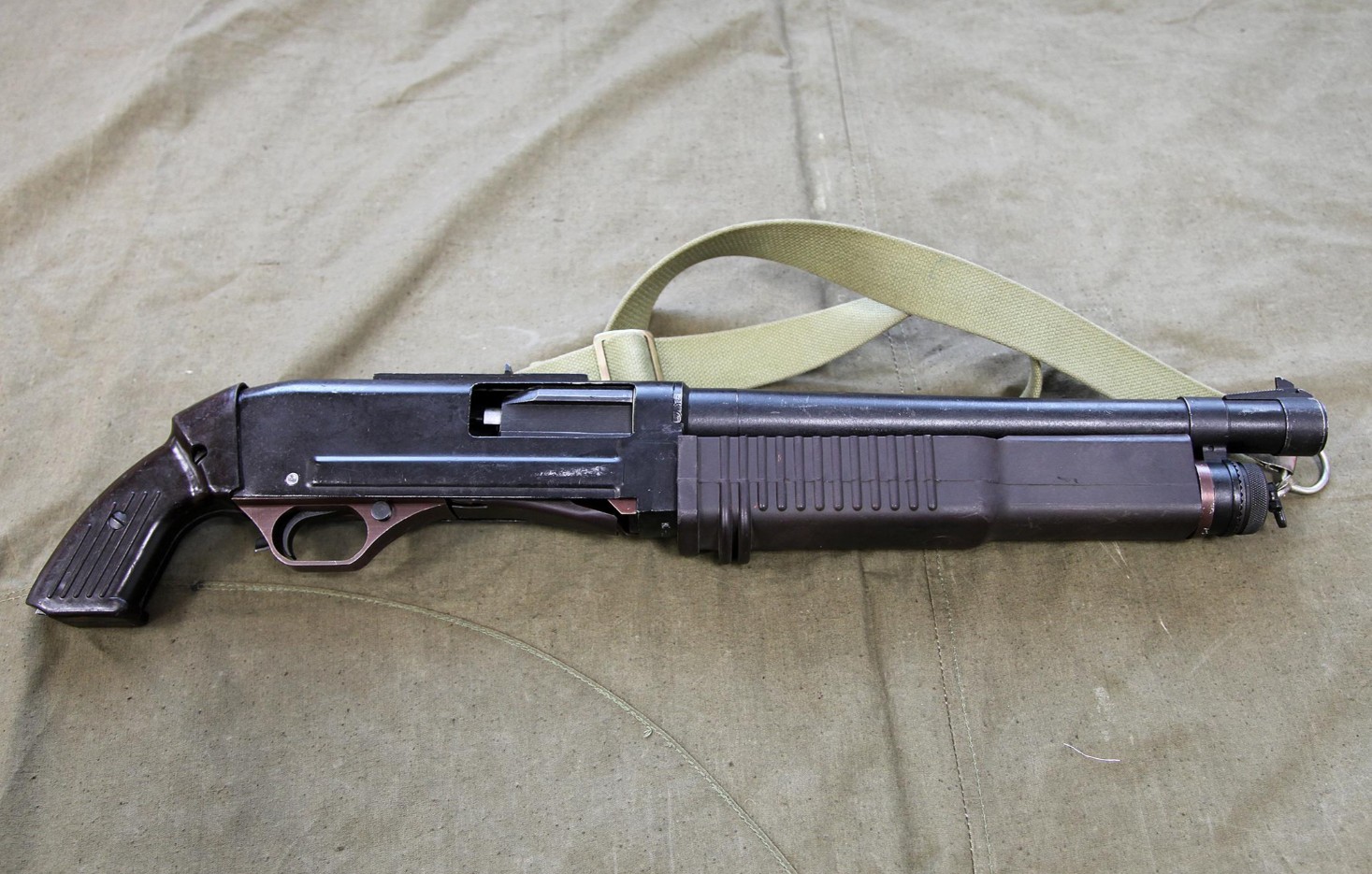
The initial appearance of the ZIP .22 caught many eyes with its avant-garde look. It avoided the traditional pistol design, opting for a more block-like, rail-less form factor that fit as a top attachment to various rifles. Indeed, its ability to mount on things like a Picatinny rail showcased its versatility in theory, offering multiple options for customization. However, the ambition faltered in practice. The absence of intuitive ergonomics led to awkward handling, rendering it uncomfortable for continued use in both standalone and mounted configurations.
Technical Specifications
| Specification | Details |
|---|---|
| Caliber | .22 Long Rifle |
| Action Type | Semi-automatic |
| Weight | Approximately 1.3 lbs |
| Barrel Length | 5.25 inches |
| Overall Length | 7 inches |
| Magazine Capacity | 10 rounds (extended for certain configurations) |
Functionality Issues Galore
The ZIP .22’s downfall was greatly cemented by its performance—or rather, its lack thereof. Functionality problems began almost immediately after its release. The ZIP .22 was notorious for frequent jams, misfires, and an almost unreliable cycling mechanism. Users reported that the weapon often failed to load rounds properly, which not only resulted in frustration but also posed safety hazards. Another flaw was the gun’s reliance on .22 ammunition, a round known for being less impactful and more prone to failures in semi-automatic mechanisms.
Adding to the frustration was the complex disassembly process, necessary for cleaning and maintenance. Many found that even basic cleaning could result in lost pieces or painstaking reassembly, an issue that was especially troubling for new gun owners.
Safety Concerns and Market Reception
Though designed with a theoretical understanding of modern modular weapons, the ZIP .22 manifested serious safety concerns. The design inadvertently placed the user’s hand near the muzzle, particularly when used as a top-mounted option, thus risking potential harm from muzzle flash or accidental discharge. Coupled with failure to feed and eject malfunctions, the inherent design issues cast a shadow over any semblance of market appeal.
Public reception and reviews were overwhelmingly negative, citing these safety and reliability issues. The initial anticipation quickly faded as enthusiasts and experts documented numerous experiences of malfunctions, leading the ZIP .22 to garner a reputation for being not only impractical but also hazardous.
Lessons from the ZIP Disaster
From an analytical standpoint, the ZIP .22 offers a textbook lesson in firearms design and market adaptation. Its failure was not just a function of poor execution but also a reflection of over-ambition unmatched by practical oversight. The firearm industry, despite its penchant for innovation, hinges critically on reliability and safety—areas where the ZIP .22 faltered prominently.
Manufacturers can glean valuable insights from this episode, most notably the importance of extensive testing and consumer feedback before market release. Moreover, while innovation invariably entails risk, balancing cutting-edge design with user-centric ergonomics and fail-safe mechanisms is crucial for success in any consumer-focused market.
A Footnote in Firearm History
Though hailed as the worst gun ever produced, the ZIP .22 continues to be a topic of discussion amongst firearm aficionados—a cautionary tale in the gun forums and collector circles. While serving as an example of what not to replicate, the gun remains a quirky yet poignant symbol of the intersection between ambition and the relentless realities of functional design.