

Precision Over Firepower
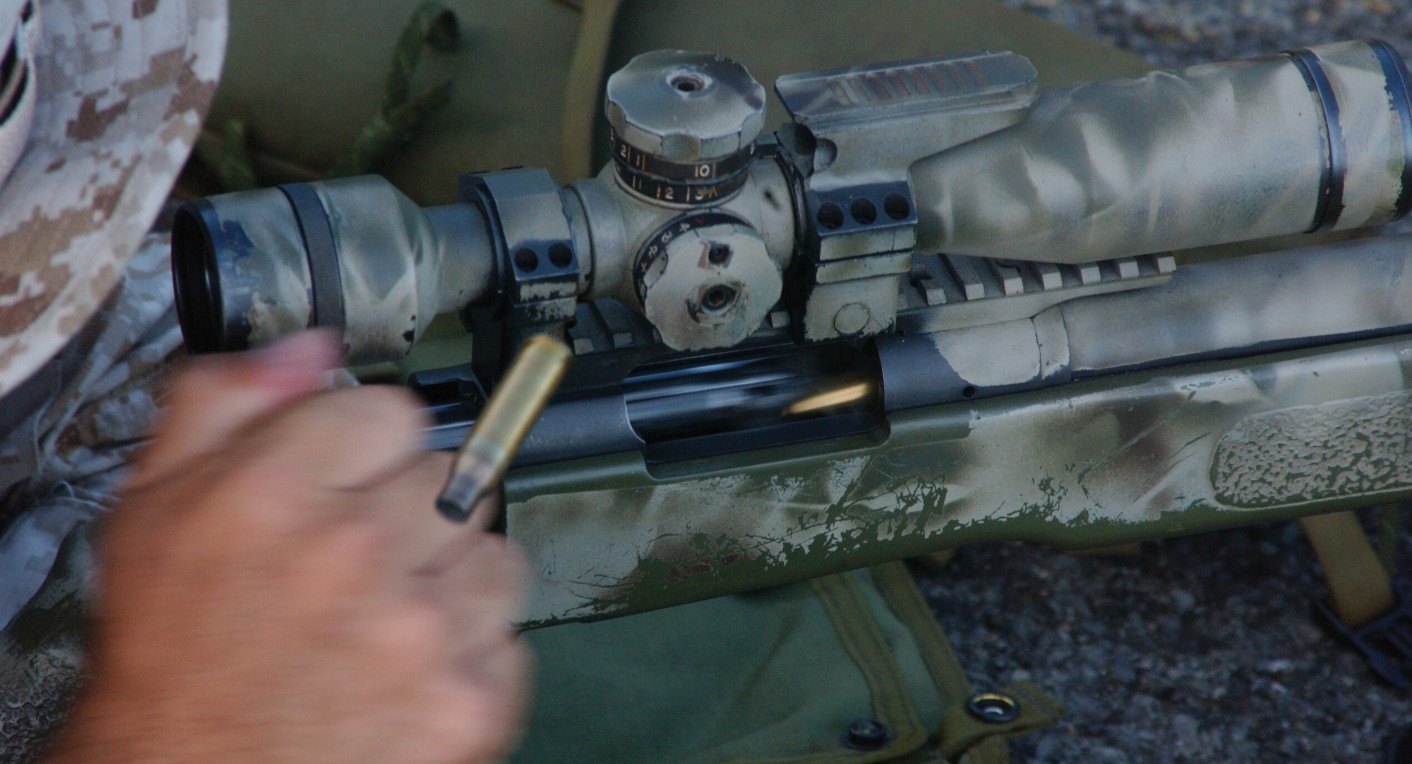
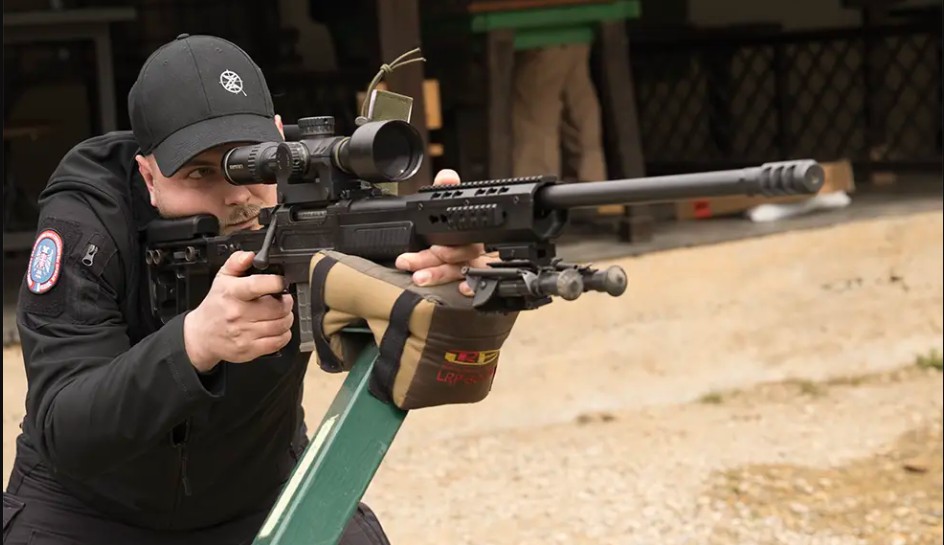
When it comes to the art of sniping, the focus has always been on accuracy, rather than volume of fire. This is where bolt-action rifles excel. Unlike semi-automatic rifles, which are designed for rapid fire, bolt-action rifles require the shooter to manually cycle the bolt between shots. This seemingly older design actually provides a key advantage: enhanced precision. The act of manually chambering each round gives the sniper an opportunity to recalibrate and focus on the next target without the distractions of continuous recoil and automatic cycling. The serene tranquility of lining up each shot with care makes bolt-action rifles an enduring favorite among snipers.
Simplicity and Reliability
One of the most significant advantages of bolt-action rifles is their mechanical simplicity. With fewer moving parts compared to their semi-automatic counterparts, bolt-action rifles experience fewer mechanical failures. In a field where reliability is paramount, having a weapon that is less likely to jam or malfunction under harsh conditions is a huge advantage. The straightforward nature of the bolt-action mechanism calls for less maintenance and reduces the probability of performance degradation due to wear and tear.
Superior Accuracy
Another reason snipers often prefer bolt-action rifles is the superior accuracy they provide. These rifles are known for their longer range capabilities and are generally more accurate over long distances. The inherent design of a bolt-action allows for a tighter lock of the cartridge in the chamber. This ensures that each bullet is fired with the least possible variance in its trajectory. When combined with high-quality optics, bolt-action rifles can achieve pinpoint accuracy that is difficult to match with semi-automatics.
Customization and Adaptability
Bolt-action rifles also offer superior customization options. Snipers can modify their rifles with different stocks, barrels, and triggers to suit particular mission requirements or personal preferences. This adaptability is crucial in tailoring the rifle to fit the specific shooting style of the sniper and the environmental conditions of a mission. Whether it’s a change in elevation, wind patterns, or the need for silent operation, bolt-action rifles provide the flexibility needed to adapt swiftly.
Historical Significance
The use of bolt-action rifles in military history adds an element of tradition and trust. These rifles have been trusted companions to snipers since World War I, proving their effectiveness in real-world combat scenarios. This longstanding history endorses their continued use and instills confidence in snipers carrying them into battle. Embracing the trusted reliability of bolt-action rifles offers a psychological edge, drawing from a century of trust and battlefield superiority.
Choosing the Right Bolt-Action Rifle
When choosing a bolt-action rifle, snipers often consider various factors such as the rifle’s weight, barrel length, and caliber. Here’s a brief look at some popular choices:
| Model | Caliber | Weight | Barrel Length |
|---|---|---|---|
| Remington M24 | 7.62x51mm NATO | 14.5 lbs | 24 inches |
| Accuracy International L115A3 | .338 Lapua Magnum | 15.3 lbs | 27 inches |
| M40A5 | 7.62x51mm NATO | 16.5 lbs | 25 inches |
In a world where technological advancements continue to push the boundaries of what modern firearms can achieve, bolt-action rifles maintain their prominence in the sniper’s arsenal. Favored for their accuracy, reliability, and customizable nature, they remain a testament to the art of precision shooting. As long as the need for pinpoint accuracy exists, bolt-action rifles will continue to carve their niche on the battlefield, serving as the unsung heroes in the hands of sharpshooters around the globe.