

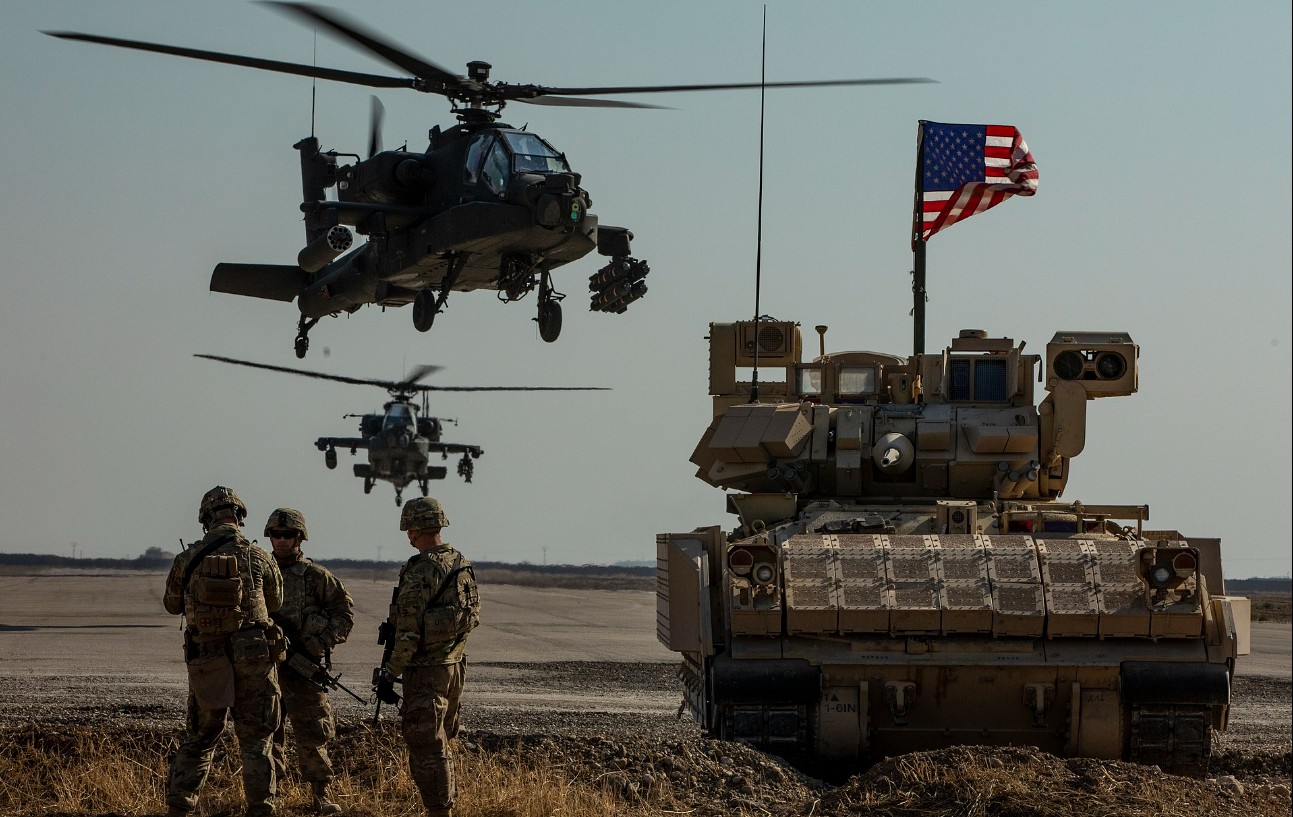
In the modern complex battlespace, the integration of different combat arms has become a pivotal factor in achieving battlefield supremacy. Many of the world’s leading militaries have demonstrated exceptional prowess in combining various branches of their armed forces to act in unison, enhancing their operational effectiveness.

The Importance of Joint Operations
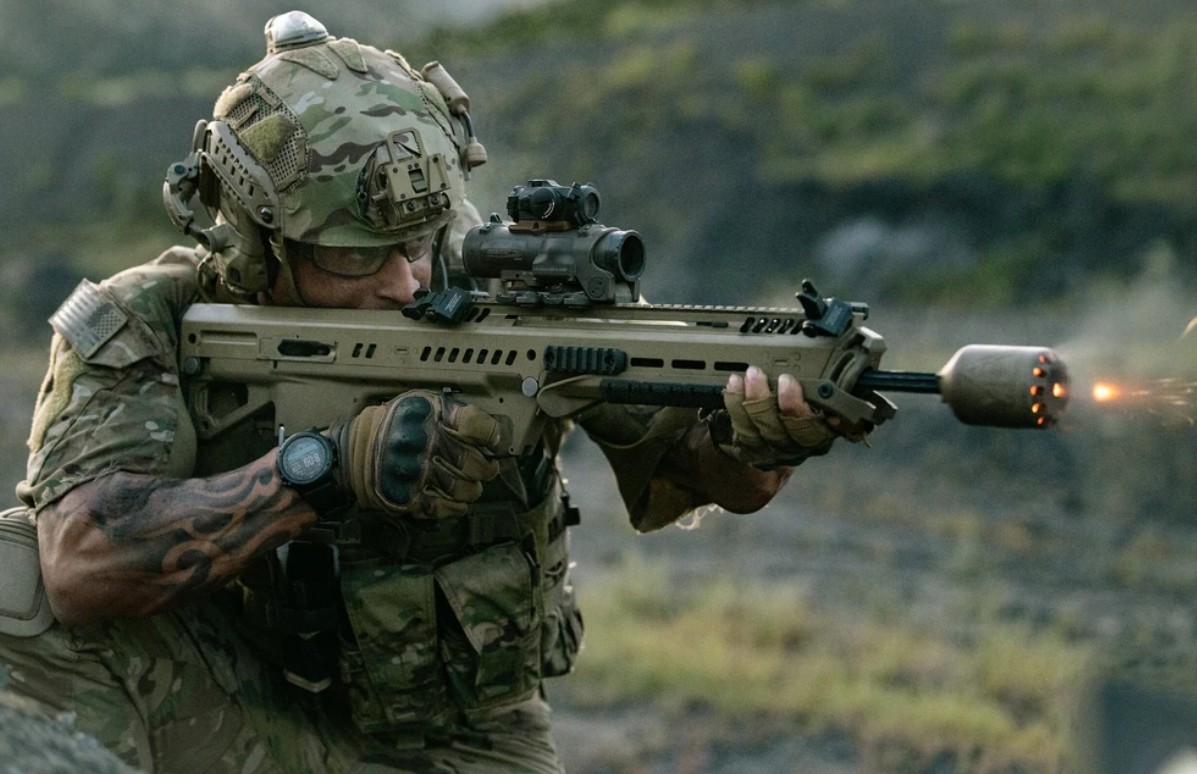
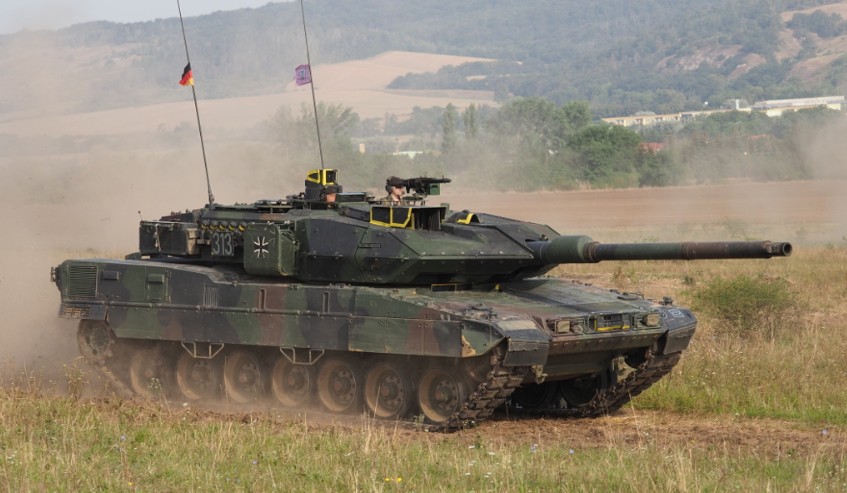
Joint operations involve the seamless integration of air, land, sea, and, increasingly, cyber capabilities. This approach allows for more adaptive, reactive forces that can exploit enemy weaknesses across multiple domains. The concept of jointness emphasizes the importance of integrated planning and execution among different military branches.
United States Armed Forces
The United States boasts one of the most advanced and capable militaries in the world, largely due to its emphasis on joint operations. The establishment of the Joint Chiefs of Staff has facilitated inter-branch coordination at the highest levels.
- U.S. Army: Provides significant ground capabilities and supports through logistical and direct combat operations.
- U.S. Navy: Ensures maritime dominance and supports amphibious operations, essential for power projection.
- U.S. Air Force: Dominates the airspace with superior air power, providing reconnaissance, support, and strategic bombing capabilities.
- U.S. Marine Corps: Specializes in rapid response force deployment, particularly in amphibious operations.
The integration of these branches is augmented by cutting-edge technology like the F-35 fighter jet and the use of drones for surveillance and attack.
Military Innovation and Technology
The adoption of integrated combat systems, such as the Joint Tactical Radio System (JTRS), which facilitates secure communication across services, exemplifies the technological integration achieved. Additionally, joint exercises like RIMPAC (Rim of the Pacific Exercise) further enhance interoperability between services.
Russian Armed Forces
Russia’s military forces also excel in the integration of different arms, specifically tailored to their geographic and strategic needs.
| Branch | Primary Focus |
|---|---|
| Russian Ground Forces | Predominantly tasked with land operations, they incorporate significant artillery and armored elements. |
| Russian Aerospace Forces | Controls air and space defense, equipped with advanced aircraft like the Su-57 fighter jet. |
| Russian Navy | Operates in diverse maritime environments, from the Arctic to the Black Sea, with an increasing focus on submarines and missile technology. |
The integration is further amplified by the use of Spetsnaz units, which provide special operations capabilities that support conventional forces.
People’s Liberation Army (PLA) of China
The PLA has undergone significant modernization, with increasing emphasis on joint operations to assert its influence and protect its interests.
- PLA Ground Force: Maintains numerous troops with advanced mechanized units and artillery capabilities.
- PLA Navy (PLAN): Plays a central role in enforcing territorial claims and extending China’s reach with a growing carrier fleet.
- PLA Air Force (PLAAF): Complements the naval and ground efforts with improved fighter jets and long-range bombers.
- Rocket Force: Previously known as the Second Artillery Corps, it manages China’s strategic missile arsenal.
China’s military academies emphasize joint leadership programs, grooming officers to operate effectively across different military arms.
United Kingdom Armed Forces
The British military is renowned for its professionalism and effective integration of different combat arms. The creation of Joint Helicopter Command is one such initiative that better coordinates air mobility across units.
The Royal Navy‘s fleet and the Royal Air Force‘s advanced aircraft systems, together with superior land forces, enable the UK to play a significant role on the international stage. UK forces routinely participate in joint exercises such as NATO’s Joint Warrior, enhancing their combat readiness and interoperability.
The strategic synergy achieved by these leading military powers showcases the importance of multi-domain operations in contemporary military strategy. As threats continue to evolve, the ability to integrate land, air, sea, and cyber operations will determine a nation’s capability to defend its interests and execute military objectives.