

Understanding the Strategic Importance of Yokosuka Naval Base
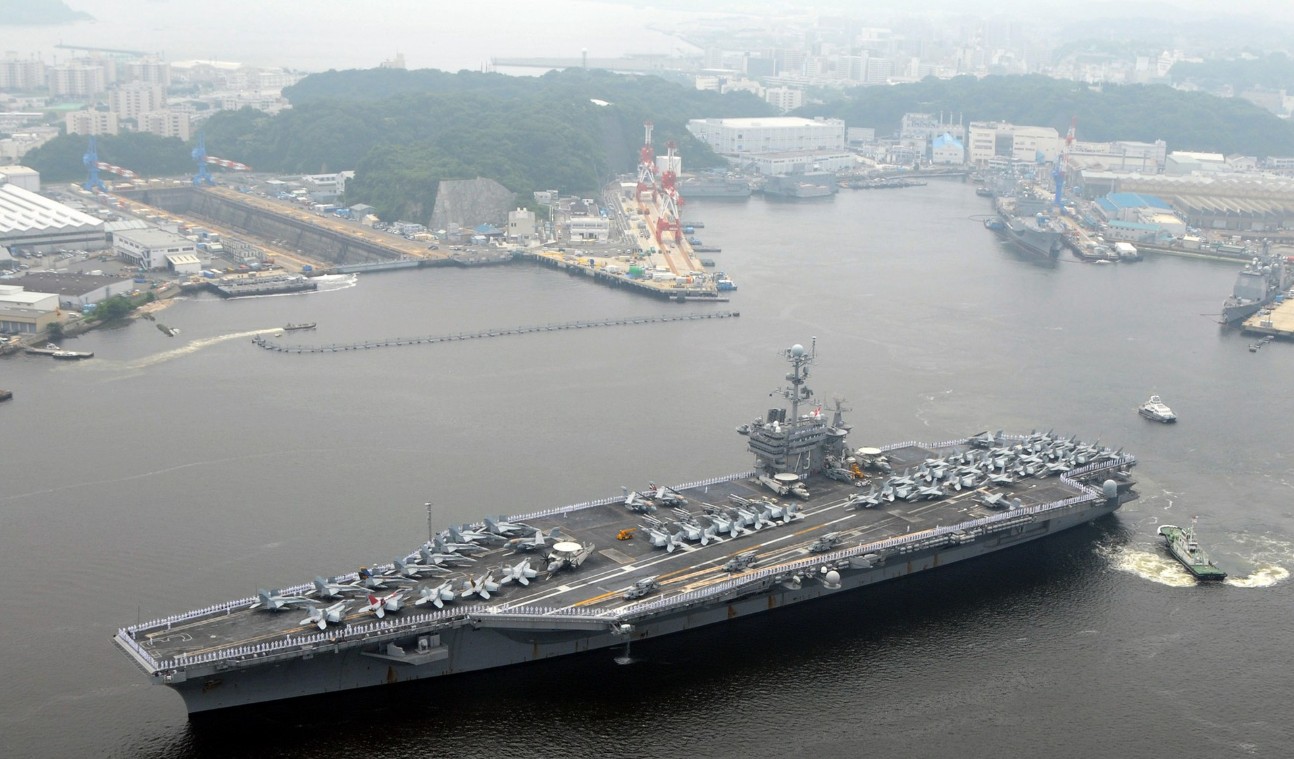
Yokosuka Naval Base, located in Kanagawa Prefecture, Japan, is pivotal in the United States’ strategic military presence in the Asia-Pacific region. As the largest U.S. naval installation outside of the continental United States, it serves a critical role by hosting the U.S. Seventh Fleet and acting as a primary forward-deployed port for American naval warfare operations.
Historical Context and Inception
The Yokosuka Naval Base was originally set up by the Japanese Imperial Navy in 1865, marking its strategic relevance long before becoming a crucial hub for U.S. naval operations. Post-World War II, the American military took control of the base, turning it into a joint U.S.-Japan operated facility. This transition was part of broader security agreements ensuring regional stability and deterring global threats during the Cold War period and beyond.
Facilities and Operations
The facilities available at the Yokosuka Naval Base are extensive and well-equipped to support a wide range of military and logistical operations. The base includes an impressive array of resources:
- Ship repair facilities capable of accommodating aircraft carriers, destroyers, and submarines.
- Comprehensive logistic support services.
- Ample housing for service members and their families.
- Recreational amenities such as schools, commissaries, and recreational centers.
Technical Specifications Table
| Specification | Details |
|---|---|
| Area | 568 acres |
| Personnel Capacity | Over 24,000 military personnel and civilian employees |
| Major Vessels Accommodated | USS Ronald Reagan (CVN-76), multiple destroyers |
| Operational Since | 1945 (under U.S. command) |
Strategic Role in the Indo-Pacific Region
The location of Yokosuka strategically enhances the U.S. Navy’s ability to conduct maritime operations throughout the Indo-Pacific, a region increasingly seen as significant in terms of global security and economic interests. The base provides a critical logistics hub that allows for rapid deployment and resupply of naval forces engaged in regional operations.
Collaborative Defense Initiatives
Yokosuka is not only a symbol of American power projection but also a cornerstone of U.S.-Japan bilateral security cooperation. Security partnerships foster enhanced capabilities and readiness, underpinning broader defense strategies aimed at maintaining a free and open Indo-Pacific.
Joint exercises between U.S. and Japanese forces are frequent, building interoperability and cementing the alliances necessary for collective defense. These activities underscore the commitment of both nations to peace and stability in the region.
Community and Cultural Impact
The relationship between the base and the local Japanese community is multifaceted. While the presence of international military personnel enriches cultural exchange, it also necessitates continuous diplomatic engagement to address social and environmental concerns associated with the base’s operations.
Efforts are regularly made to mitigate any adverse effects and to promote community relations through cultural events, open base days, and reciprocal local community involvement. This approach ensures ongoing cooperation and support from the local population.
Looking Ahead
As the geopolitical landscape evolves, the importance of Yokosuka as a hub for American naval activity is likely to increase. From supporting humanitarian missions to deterring potential threats, its role remains an essential part of ensuring security in the Asia-Pacific region.
Yokosuka continues its legacy as a beacon of allied cooperation, where naval heritage and modern strategic imperatives meet to foster a stable and secure future.