

Introduction to Carrier-Based Aircraft
Carrier-based aircraft play an essential role in naval operations, providing air superiority and support to naval fleets around the world. In this article, we’ll compare two renowned carrier-based aircraft: the F/A-18E/F Super Hornet from the United States and the Sukhoi Su-33 from Russia. Both aircraft serve as the backbone of their respective naval aviation, showcasing advanced technology, design, and capability.
The F/A-18E/F Super Hornet
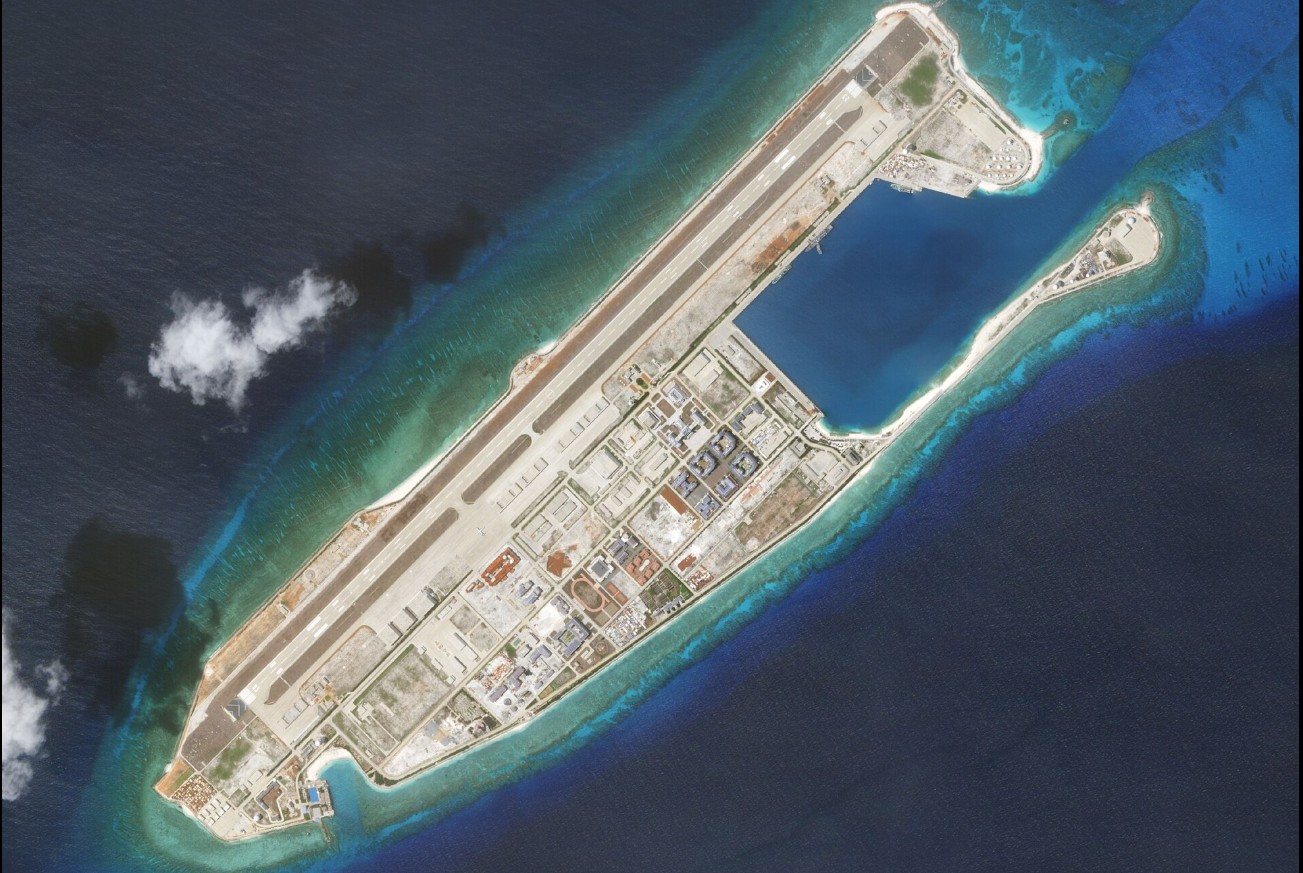
The F/A-18E/F Super Hornet, manufactured by Boeing, is a versatile aircraft designed with multi-role capabilities. It serves both the United States Navy and the Royal Australian Air Force as a fighter and attack aircraft. The Super Hornet is known for its reliability, all-weather operation capability, and striking power.
Design and Features
The Super Hornet features several enhancements over its predecessor, the Hornet, including a larger airframe, increased payload capacity, and advanced avionics. Specific design improvements include:
- Increased wing area and fuselage stretch for better aerodynamic performance and fuel capacity
- Upgrade to more powerful engines with larger air intakes
- Enhanced radar systems such as the APG-79 Active Electronically Scanned Array (AESA) radar
- Reduced radar cross-section for improved stealth capabilities
| Specification | F/A-18E/F Super Hornet |
|---|---|
| Crew | 1 (E model), 2 (F model) |
| Length | 60 ft 1¼ in (18.31 m) |
| Wingspan | 44 ft 9½ in (13.62 m) |
| Maximum Speed | Mach 1.6+ |
| Combat Range | 390 nmi (721 km) |
| Service Ceiling | 50,000 ft (15,000 m) |
| Armament | 1× 20 mm M61A2 Vulcan rotary cannon, 11 hardpoints for rockets, bombs, missiles |
In terms of operational versatility, the Super Hornet can seamlessly switch between air-to-air, air-to-ground, and reconnaissance missions. Its compatibility with modern weapons and systems makes it a formidable aircraft in the U.S. Navy’s inventory.
The Sukhoi Su-33
The Russian Sukhoi Su-33, known initially as the Su-27K, is a naval adaptation of the Su-27 ‘Flanker’ and was designed by Sukhoi, one of Russia’s premier aerospace companies. The Su-33 serves as a primary fleet defense and air superiority fighter for the Russian Navy.
Design and Features
Incorporating the robust design of the Su-27, the Su-33 offers significant modifications for carrier suitability. Key features include:
- Strengthened landing gear and tailhook for carrier operations
- Folding wings and stabilators for storage aboard ships
- Powerful AL-31F engines providing thrust vectoring for enhanced maneuverability
- Advanced electronic warfare and radar systems for effective threat management
| Specification | Sukhoi Su-33 |
|---|---|
| Crew | 1 |
| Length | 21.19 m (69 ft 6 in) |
| Wingspan | 14.70 m (48 ft 3 in) |
| Maximum Speed | Mach 2.17 |
| Combat Range | 560 nmi (1,040 km) |
| Service Ceiling | 55,000 ft (16,765 m) |
| Armament | 1× 30 mm GSh-30-1 cannon, 12 hardpoints for rockets, bombs, missiles |
The Su-33 excels in air superiority with its powerful engines and agile flight performance. Its capability to perform high-speed interceptions and complex maneuvers has made it a stalwart for Russian naval operations.
Operational Roles and Real-World Applications
Both the F/A-18E/F Super Hornet and Su-33 have been tested in various operational theaters, demonstrating their respective strengths. The U.S. Navy has deployed the Super Hornet in multiple conflicts, including the Iraq War and ongoing operations in the Middle East, emphasizing its multirole capability and adaptiveness to various combat scenarios.
Conversely, the Su-33 has been primarily stationed on Russia’s Admiral Kuznetsov aircraft carrier, showcasing its prowess during exercises and limited combat roles in Syria, highlighting its air superiority role in the fleet.
Factors Influencing Their Development
Several geopolitical and technological factors have influenced the development of these aircraft. For the Super Hornet, the emphasis on versatility and integration with Western military systems has guided its evolution. The aircraft’s ongoing upgrades ensure it remains at the forefront of carrier aviation technology.
The Su-33, however, emphasizes ruggedness and traditional air superiority capabilities, reflecting Russia’s military aviation doctrines. Its technology focuses on creating a durable platform capable of holding its own in contested airspace.
A Comparative Analysis
When comparing the two aircraft, several distinctions stand out:
- Speed and Agility: The Su-33 holds an edge in maximum speed and maneuverability, largely due to its powerful engines and thrust vectoring capability.
- Operational Range: The Su-33 also features a slightly longer operational range, beneficial for extended missions over vast maritime canyons.
- Versatility: The Super Hornet’s advantage lies in its multirole capability, allowing for seamless transitions between different mission profiles without significant platform changes.
- Technology Integration: The F/A-18E/F benefits from sophisticated avionics and compatibility within the NATO framework, enhancing its operational efficacy in multinational efforts.
Ultimately, both aircraft reflect the priorities and operational philosophies of their respective nations. The Super Hornet demonstrates a balance of modern technology and flexibility, while the Su-33 highlights robust performance and air superiority focus.
As carrier-based aviation continues to evolve, both Boeing and Sukhoi will likely advance these platforms to incorporate new technologies and address emerging challenges on and above the seas.