

Overview of the S-70UAS U-Hawk
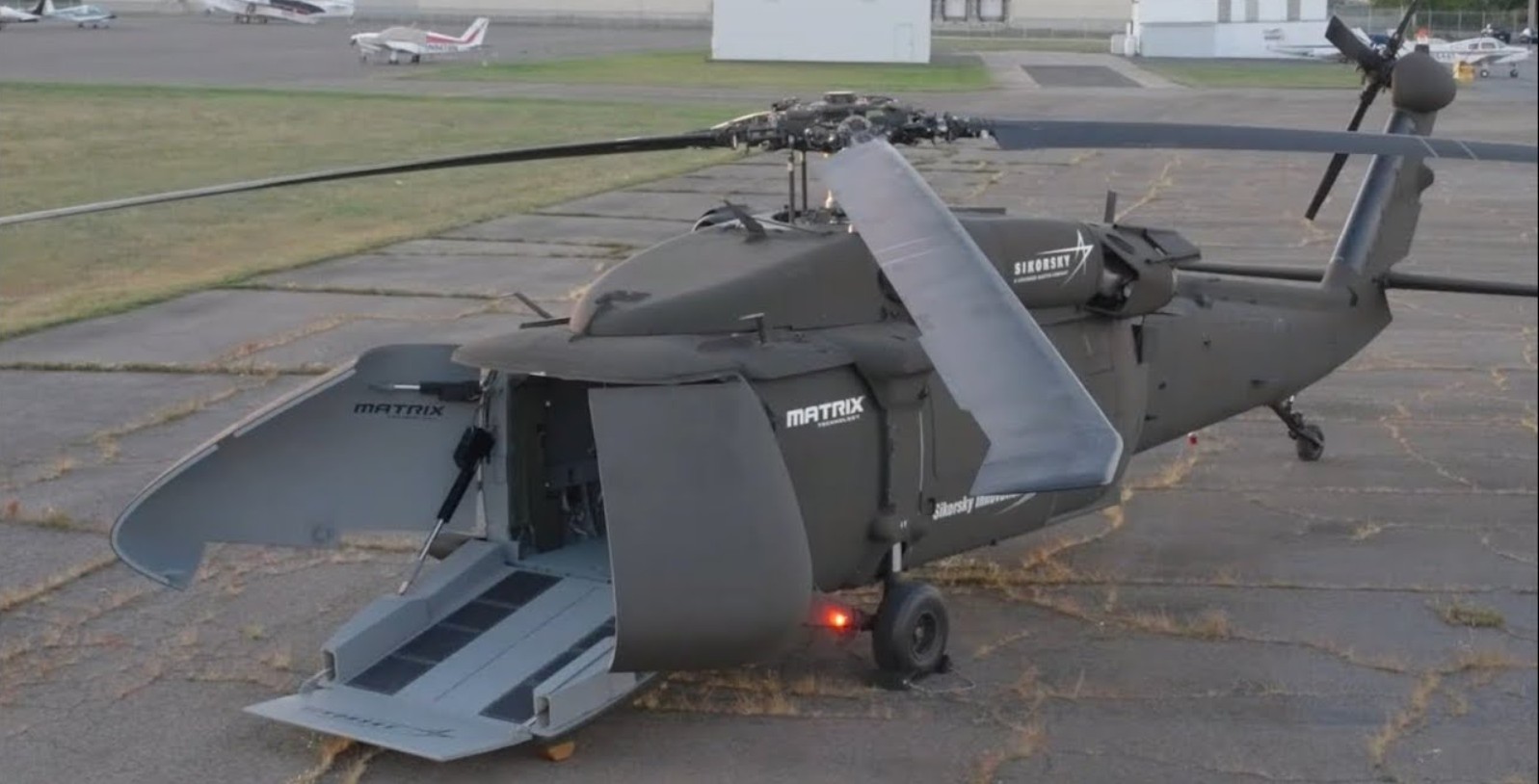
The S-70UAS U-Hawk, developed by Lockheed Martin, represents a significant leap forward in autonomous aviation technology. Positioned as a fully autonomous helicopter, it draws on the robust legacy of the original Black Hawk platforms while integrating cutting-edge technology to redefine operational capabilities in various sectors, from defense to emergency response.

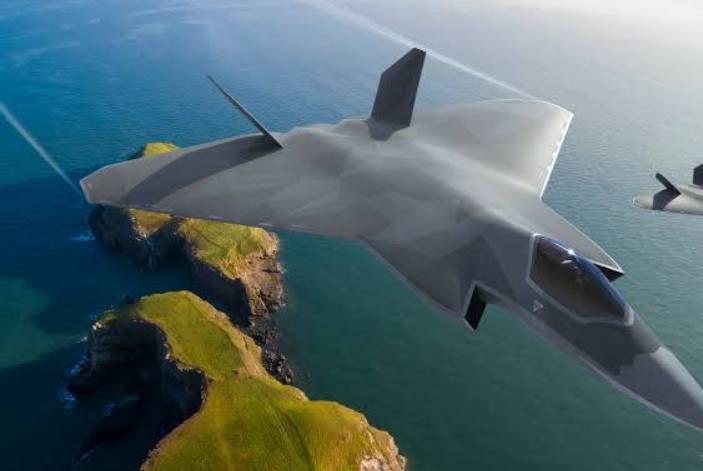
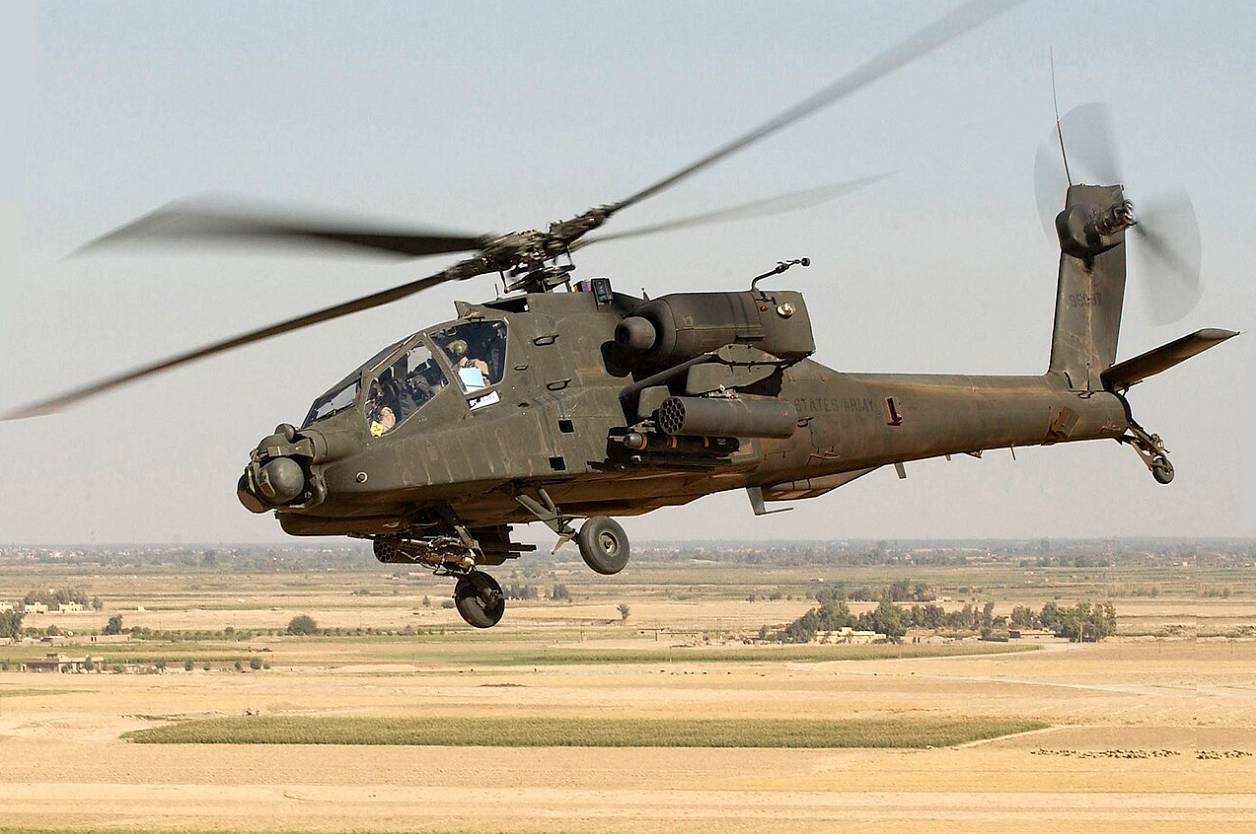
This impressive aircraft embodies the future of aviation by bridging traditional helicopter designs with revolutionary unmanned systems, potentially transforming how missions are conducted through its autonomy, reliability, and efficacy.
Design and Engineering
The S-70UAS U-Hawk maintains the iconic silhouette of the Black Hawk helicopter but integrates advanced materials and design elements that enhance durability and operational efficiency. Engineers at Lockheed Martin have focused on blending the aerodynamic strengths of conventional helicopters with state-of-the-art autonomous systems to create this sophisticated aircraft.
Using lightweight composite materials, the helicopter’s frame is designed to withstand varying operational scenarios while minimizing fuel consumption. Additionally, the integration of smart technologies ensures that the S-70UAS U-Hawk is capable of prolonged operation under demanding conditions.
Autonomous Capabilities
One of the defining features of the S-70UAS U-Hawk is its fully autonomous operation capability. Built on advanced AI algorithms and machine learning, the helicopter can execute missions without human intervention, relying on sophisticated sensors and real-time data processing. These capabilities are crucial for executing unmanned missions in hostile or inaccessible environments.
The autonomous system allows for seamless navigation, obstacle detection, and mission adaptation, making the U-Hawk versatile and reliable. The autonomy is complemented by secure communication channels that ensure it can receive updates or new commands at any point during its mission.
Applications and Use Cases
The potential applications for the S-70UAS U-Hawk are vast, spanning both military and civilian sectors. In military operations, the U-Hawk can be deployed for reconnaissance, logistics support, and even combat missions, greatly reducing the risk to human pilots and enhancing the strategic reach of military forces.
In civil applications, the U-Hawk is poised to revolutionize humanitarian aid delivery, disaster response, and search-and-rescue operations. Its ability to autonomously navigate to affected areas while carrying essential supplies or equipment makes it a vital tool for crisis management.
Technical Specifications
The technical specifications of the S-70UAS U-Hawk reflect its advanced engineering and operational versatility. Below is a table summarizing some of these specifications:
| Specification | Details |
|---|---|
| Maximum Takeoff Weight | 10,500 kg (23,150 lbs) |
| Payload Capacity | 2,500 kg (5,511 lbs) |
| Range | 463 km (288 miles) |
| Endurance | Over 11 hours |
| Maximum Speed | 278 km/h (172 mph) |
| Autonomous Navigation | Advanced AI and sensor fusion |
Safety and Reliability
Safety remains a paramount concern for Lockheed Martin, and the S-70UAS U-Hawk is equipped with robust systems to ensure operational reliability. The helicopter is designed with multiple redundancies, ensuring that the failure of any single system does not compromise the entire mission.
The integration of sophisticated diagnostic tools enables real-time health monitoring of the aircraft, allowing for predictive maintenance and ensuring long-term reliability. Through rigorous testing, the U-Hawk has met and, in many instances, exceeded international safety standards for unmanned aerial vehicles.
Environmental Impact
As awareness of environmental sustainability continues to grow, Lockheed Martin has prioritized reducing the environmental footprint of the S-70UAS U-Hawk. The helicopter’s design incorporates fuel-efficient engines and noise-reducing technologies, minimizing its impact in both urban and rural environments.
Furthermore, Lockheed Martin is committed to exploring alternative energy sources, including hybrid and fully electric powertrains, to further reduce the environmental impact of the U-Hawk and its operational footprint.
The Future of Autonomous Helicopters
With the introduction of the S-70UAS U-Hawk, Lockheed Martin is setting the stage for the next era of aerospace technology. The success and efficiency of this platform could catalyze further developments in autonomous vehicles, encouraging more widespread adoption across various sectors.
As Lockheed Martin continues to innovate and refine their designs, we can expect to see even more advanced versions of autonomous helicopters, each iteration pushing the boundaries of what is possible in unmanned aviation.