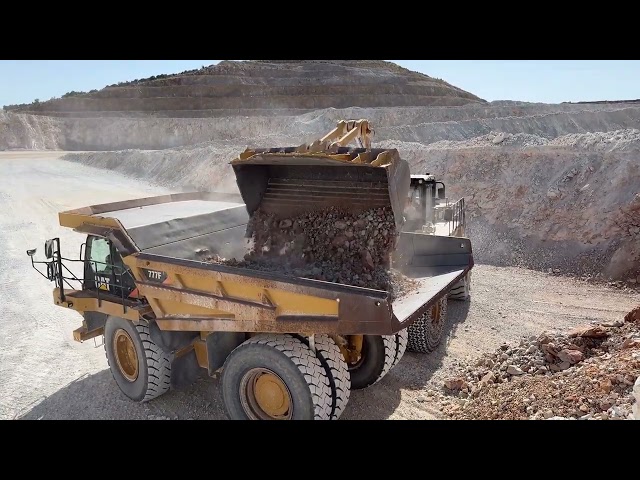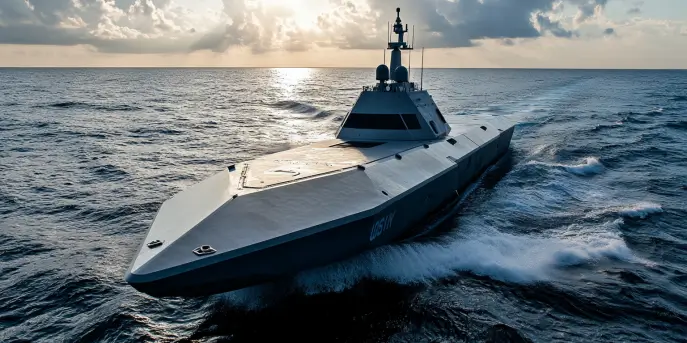


Mega machines stand as towering testaments to human ingenuity and our relentless pursuit of progress. These engineering marvels not only embody the cutting-edge technology of our time but also serve pivotal roles in shaping the future of industries and everyday life. In a world where efficiency, capacity, and power are paramount, mega machines are leading the charge into a new era.
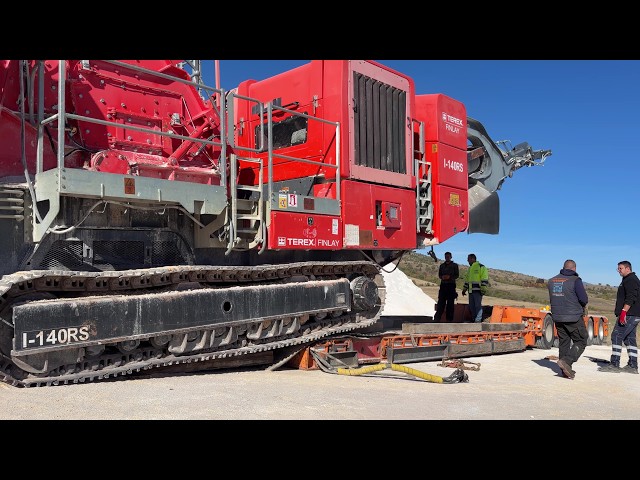
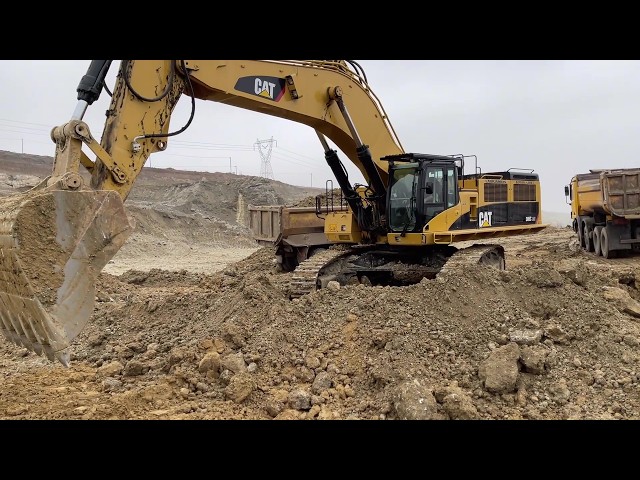
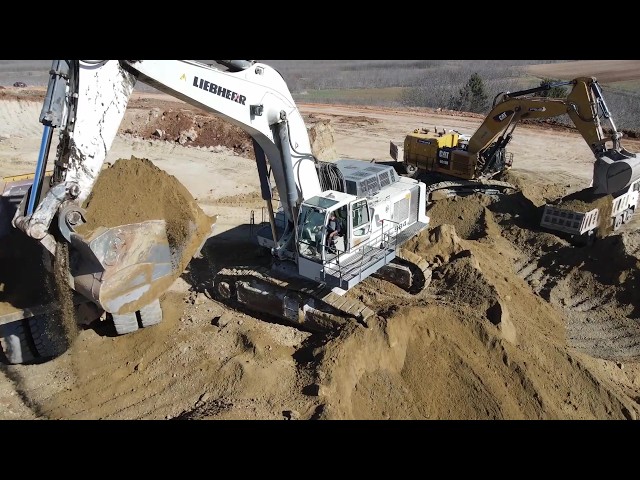
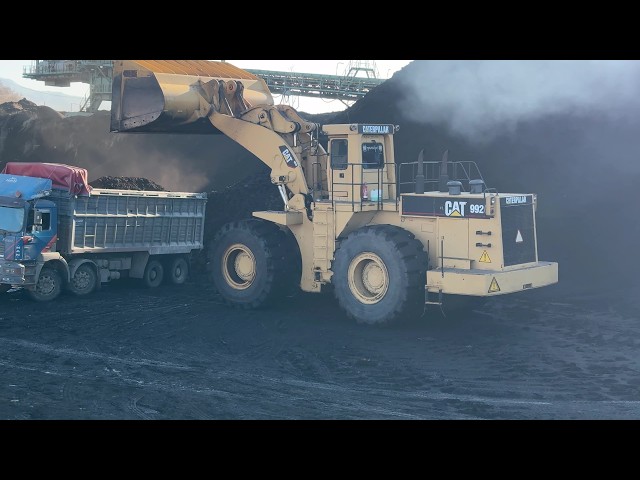
The Titans of Construction
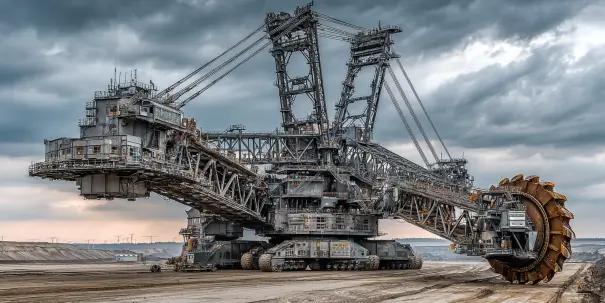
The construction industry is one of the most visible arenas where mega machines operate. Machines like the Bagger 293, a bucket-wheel excavator that’s often cited as the world’s largest terrestrial vehicle, exemplify the immense scale and power involved. This mammoth machine stands at 96 meters tall, stretches 225 meters in length, and weighs an astonishing 14,200 tons. It’s designed for open-cast mining and can move over 240,000 cubic meters of earth per day, playing a vital role in resource extraction and land development.
Another giant reshaping the construction landscape is the Mammoet PTC 200 DS, one of the largest cranes on the planet, equipped to handle a load capacity of up to 5,000 tons. Its precision in heavy lifting operations is critical in industries such as oil and gas, where it aids in erecting massive infrastructure components.
Transforming Transportation and Logistics
Mega machines are instrumental in advancing the transportation sector, both on land and at sea. The rise of super-sized ships, such as the Prelude FLNG, the world’s largest floating facility, revolutionizes how natural gas is extracted and processed. It measures 488 meters long and displaces about 600,000 tons of water, capable of producing enough liquefied natural gas to meet a substantial portion of global demand.
In aviation, the Antonov An-225 Mriya holds the title for the largest airplane ever built. With its impressive wingspan of 88.4 meters and a maximum takeoff weight of 640,000 kg, it is designed to transport outsized cargo that no other aircraft can manage, thus setting new standards for logistical flexibility and efficiency.
Powering the Energy Sector
The quest for sustainable energy solutions has seen mega machines play an essential role. In the realm of wind energy, the Haliade-X offshore wind turbine is a breakthrough, standing 260 meters tall with blades spanning 107 meters. It can generate up to 14 megawatts (MW) of electricity, capable of powering thousands of households annually.
Environmental Impact and Challenges
Despite the benefits, mega machines pose significant environmental challenges. Their sheer size and power consumption can lead to increased emissions and resource depletion. For instance, although the Bagger 293 is a marvel of efficiency in mining, it underscores the ongoing reliance on fossil fuels and the associated environmental toll.
Innovations are being made to mitigate these impacts, such as the development of eco-friendly materials and energy-efficient technologies. The pursuit of greener and more sustainable operations is influencing the design and deployment of future mega machines.
The Future Landscape of Engineering Giants
As technology evolves, so too will the scope and application of mega machines. We are witnessing the emergence of autonomous construction vehicles, AI-driven logistics solutions, and smarter energy systems that promise even greater efficiency and adaptability. These innovations are likely to redefine what mega machines are capable of achieving, pushing boundaries and setting new standards.
The future promises a landscape where mega machines are not only larger and more powerful but also smarter and more sustainable. As they continue to evolve, they will undoubtedly play a crucial role in shaping industries, boosting global economies, and paving the way for a more advanced and interconnected world.