

Understanding Trench Warfare
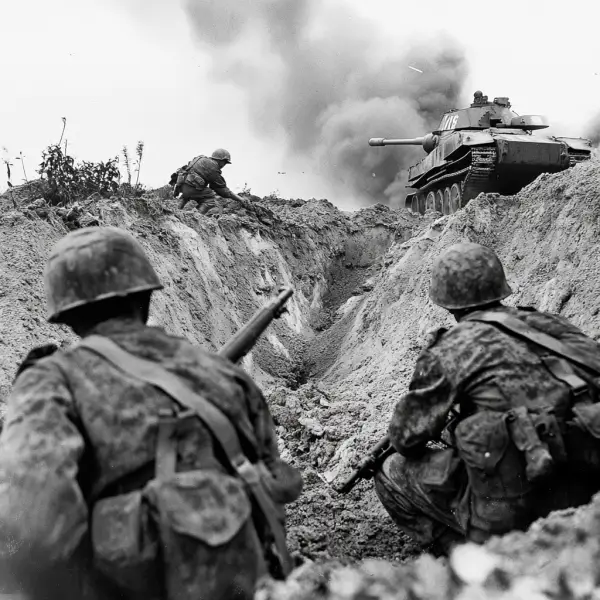
Trench warfare is a type of land warfare using occupied fighting lines largely comprising military trenches, in which troops are well-protected from the enemy’s small arms fire and are substantially sheltered from artillery. This method of warfare is most famously associated with World War I, where it became a hallmark of the conflict on the Western Front.


The extensive system of trenches, stretching from the Belgian coast through France and into Switzerland, created a battleground where soldiers fought in horrific conditions. Life in the trenches was grueling, characterized by mud, disease, and the constant threat of enemy attack. Yet, despite these hardships, trench warfare was not merely an accident of war but a strategic evolution influenced by advances in weaponry and military tactics.
The Mechanisms Behind Trench Warfare
At the heart of trench warfare was the concept of attrition. The strategy involved wearing down the enemy through continuous losses in personnel and material. This was rooted in the stalemate that emerged on the Western Front, where offensive movements were met with devastating defensive firepower, including machine guns and artillery.
Trenches themselves included several key components:
- Front-line trench: Primary position for launch and defense.
- Support trench: Backup and reserve troops ready to aid the front-line.
- Communication trenches: Linking the front-line, support trenches, and rear areas.
- Reserve trench: Deepest position for reserve forces, supplies, and command posts.
From Strategy to Stalemate
The trench warfare strategy turned the Western Front into a seemingly intractable stalemate. Several factors contributed to this:
- Technological advancements: Rapid-firing artillery, machine guns, and barbed wire created deadly zones of crossfire.
- No Man’s Land: The expanse between opposing trenches, which was heavily mined and dangerous.
- Resource strain: The logistical challenge of continually supplying troops in forward positions.
Despite numerous attempts to break the deadlock, including notable battles such as the Somme and Verdun, forces found themselves largely entrenched in the same positions for extended periods.
Shifts in Modern Warfare
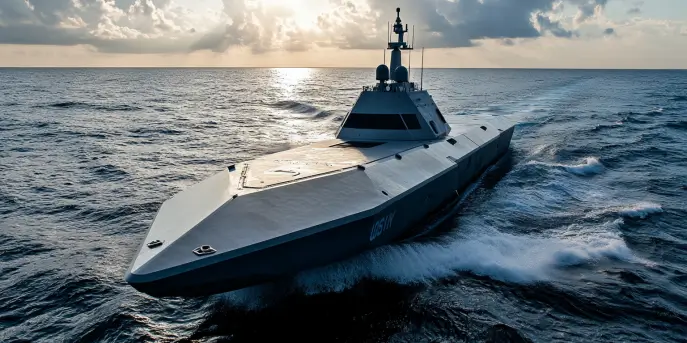
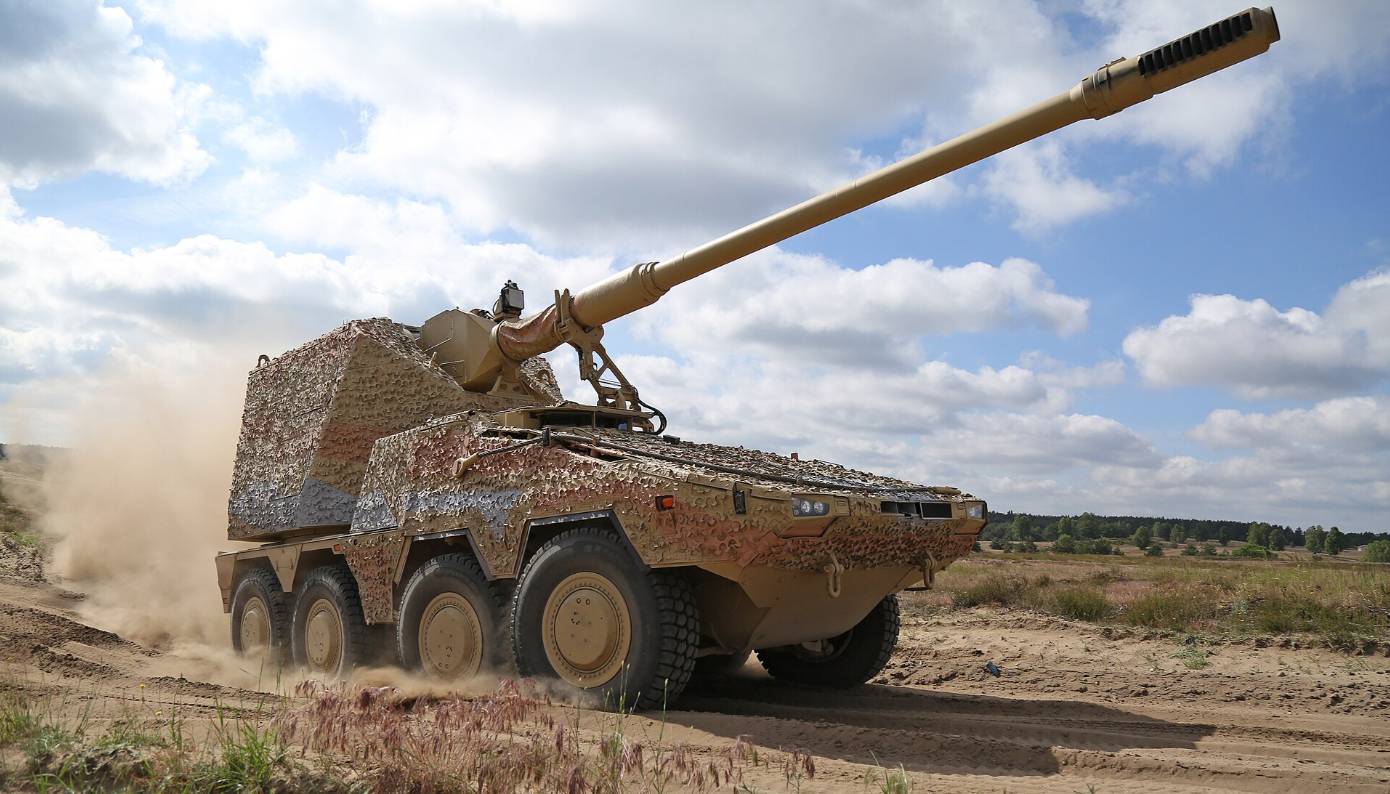
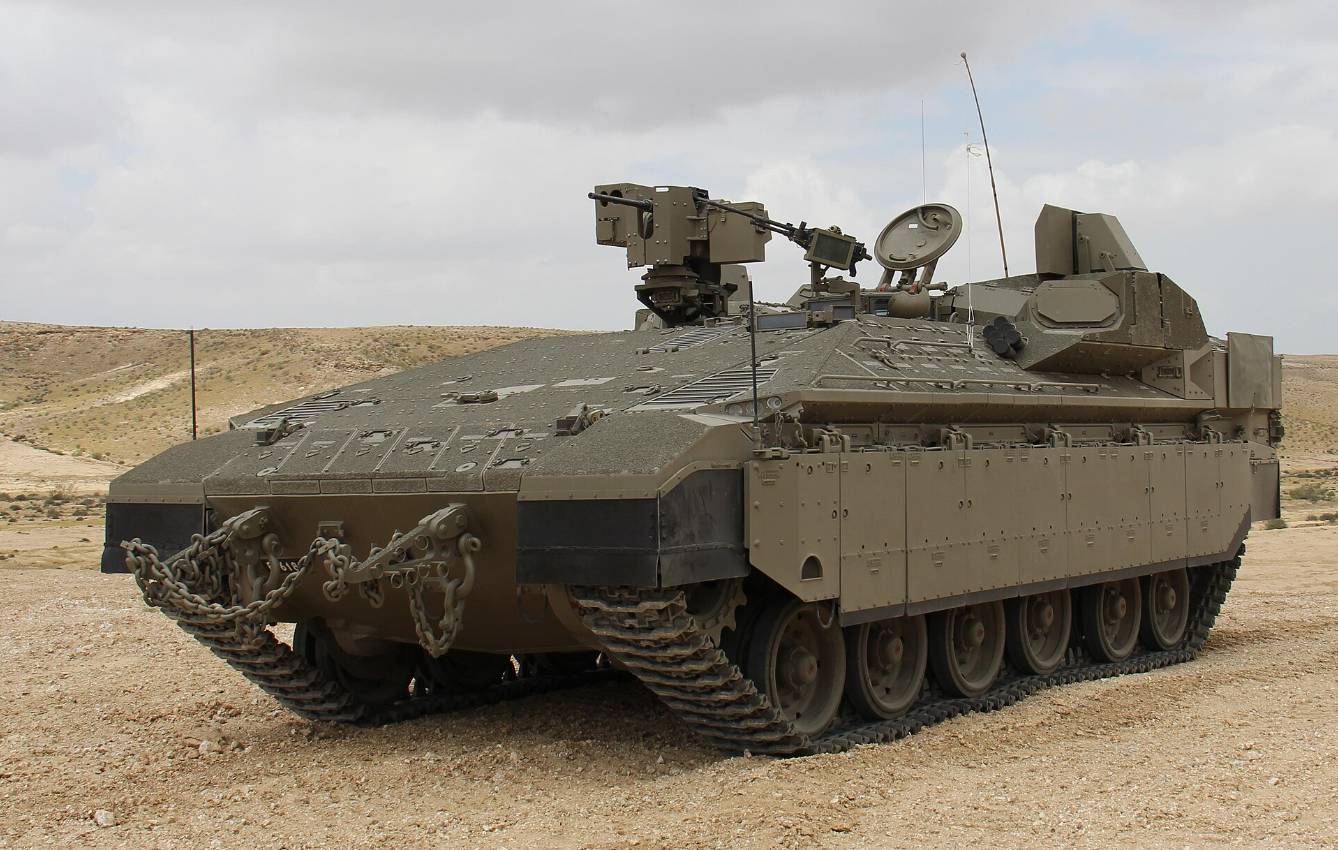
As military technology and strategies have evolved, the nature of armed conflict has shifted considerably away from the static defenses of trench warfare. The introduction of tanks, more mobile infantry, air power, and precision-guided munitions has transformed battle strategies.
World War II, for example, saw the Blitzkrieg tactics employed by Germany which emphasized speed, coordination, and the element of surprise, thus reducing the war to trenches and protracted sieges. Similarly, modern conflicts often involve rapid, high-intensity skirmishes rather than prolonged engagements across fixed lines.
Modern Conflicts and Legacy
Despite changes in tactics, the lessons of trench warfare still echo in modern military strategy. The emphasis on fortifications, understanding the terrain, and the psychological impact on soldiers remain relevant factors in planning and executing military operations.
For instance, conflicts where forces have imposed extensive defensive works, such as in the Korean War and in certain Middle Eastern conflicts, echo trench warfare principles albeit with modern technology. However, the prevalence of aerial reconnaissance, drones, and satellite communications makes static trench defenses largely ineffective in the face of dynamic warfare capabilities.
| Specification | World War I Trench Warfare |
|---|---|
| Main Weaponry | Rifles, Machine Guns, Artillery |
| Tactics | Attrition, Static Defense |
| Primary Objective | Exhaustion of Enemy Resources |
| Living Conditions | Muddy, Disease-ridden, Trench Foot |
Are Trenches Obsolete?
In modern military doctrine, trench warfare as it was known in World War I is largely considered obsolete. The speed of modern mechanized forces, the power of air support, and the precision of modern artillery and missiles render fixed trench systems impractical. However, understanding trench warfare provides valuable historical insights into the evolution of military strategies and the consequences of technological advancements on the battlefield.
The brutal reality of trench warfare has reminded military strategists of the importance of mobility, intelligence, and adaptability in battle. The pivot towards more mobile and flexible forms of warfare demonstrates the ongoing evolution of military tactics to meet new technological and strategic challenges.
The fundamental principles of defense and fortification, however, persist in modern warfare. Trenches have evolved into bunkers, underground tunnels, and fortified positions, illustrating that while the specific form of trench warfare may be a relic of the past, the underlying military principles continue to influence contemporary conflicts.