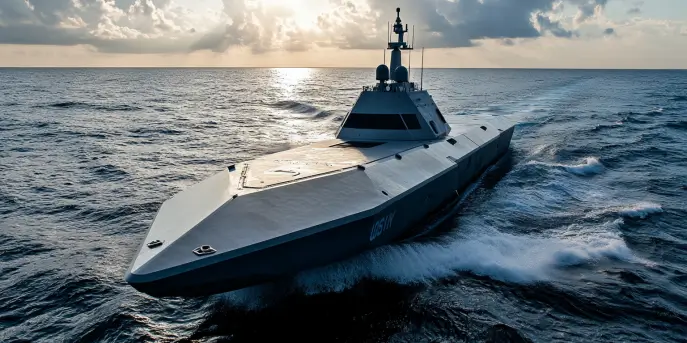


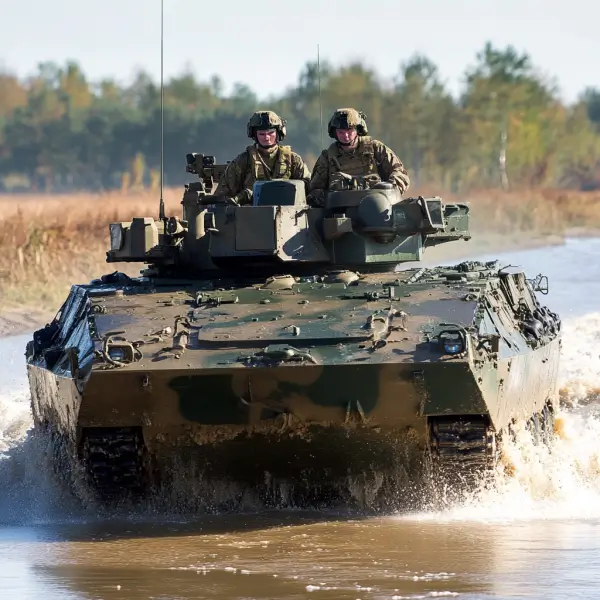
The Amphibious Combat Vehicle (ACV) is an innovative and versatile vehicle designed to replace the aging fleet of the U.S. Marine Corps’s Assault Amphibious Vehicles (AAV). The ACV is aimed at offering enhanced survivability, mobility, and transport capabilities for Marines. However, despite the initial excitement and potential benefits, various challenges have led to concerns about whether the ACV project is still feasible or if it’s becoming obsolete.

A Bold Concept with High Expectations
The ACV’s ambition was to create a state-of-the-art amphibious vehicle capable of efficiently transporting Marines from ship to shore while providing a formidable presence on land. The design emphasized enhanced armor protection, increased payload capacity, and advanced communication technologies. With a particular focus on improving amphibious capability, the vehicle boasted superior sea-handling features to navigate harsh maritime conditions.
Technical Specifications
| Specification | Details |
|---|---|
| Top Speed (Land) | About 105 km/h (65 mph) |
| Top Speed (Water) | Around 11 km/h (7 mph) |
| Crew | 3 (Commander, Driver, and Gunner) |
| Passenger Capacity | 13 Marines |
| Armor | Classified but significantly improved over AAV |
| Main Armament | Remote Weapon Station with 30mm autocannon |
Challenges and Controversies
Despite its promising design, the ACV project has not been without its setbacks and criticisms. Some of the key issues have included technical challenges, budget constraints, operational performance, and timeline delays. These factors have caused some defense analysts and military personnel to question the project’s long-term viability.
The ACV has faced serious technical hurdles during testing phases. Problems with buoyancy, reliability in rough seas, and transmission issues have raised alarms over the vehicle’s capability to meet operational requirements effectively. Furthermore, the complexity of integrating advanced systems has led to significant maintenance and logistics burdens.
Financial and Logistical Hurdles
Moreover, the economic aspect has been a major concern. With defense budgets under constant scrutiny, the cost-effectiveness of the ACV program is often debated. Initial development costs coupled with maintenance and potential production overruns have triggered concerns about financial sustainability. Critics argue that the funds allocated for the ACV might be diverted to other defense priorities without clear and immediate outcomes.
Performance Expectations vs. Reality
In military operations, performance expectations must align closely with real-world requirements. The ACV was intended to bridge the gap between conventional land vehicles and specialized amphibious craft. However, achieving the balance where the vehicle excels both on land and in challenging marine environments is a complex engineering feat. This dual capability might sound idealy, but the practical challenges have led to skepticism about whether the ACV can live up to its expectations.
Future of Amphibious Warfare
Contemplating the future of the ACV also involves looking at the broader strategy of amphibious operations within the U.S. Marine Corps. As geopolitical situations evolve and warfare dynamics change, amphibious warfare tactics are constantly being reassessed. While some military strategists highlight the importance of sea-to-land capabilities in future conflicts, others suggest that technological advancements such as drones and autonomous systems could redefine amphibious operations.
The Marine Corps continues to evaluate and adapt its strategies, which impacts the direction of projects like the ACV. Whether the program will see continued support or face redirection is largely dependent on defense priorities and emerging threats.
Conclusion: A Project in Limbo or on the Verge of Next-Generation Achievement?
The Amphibious Combat Vehicle project stands at a critical juncture. As the military weighs its options and assesses the vehicle’s capability to meet modern operational demands, the ACV could either see renewed investment and development or face gradual phasing out in favor of alternative solutions. For now, the fate of the ACV hangs in the balance, with both supporters and skeptics closely monitoring its progress and potential refinements.
Is the Amphibious Combat Vehicle a dead project? Not entirely, but its future uncertain, dependent on how well it can navigate both bureaucratic and technological waters to eventually serve the Marine Corps’s evolving needs.