

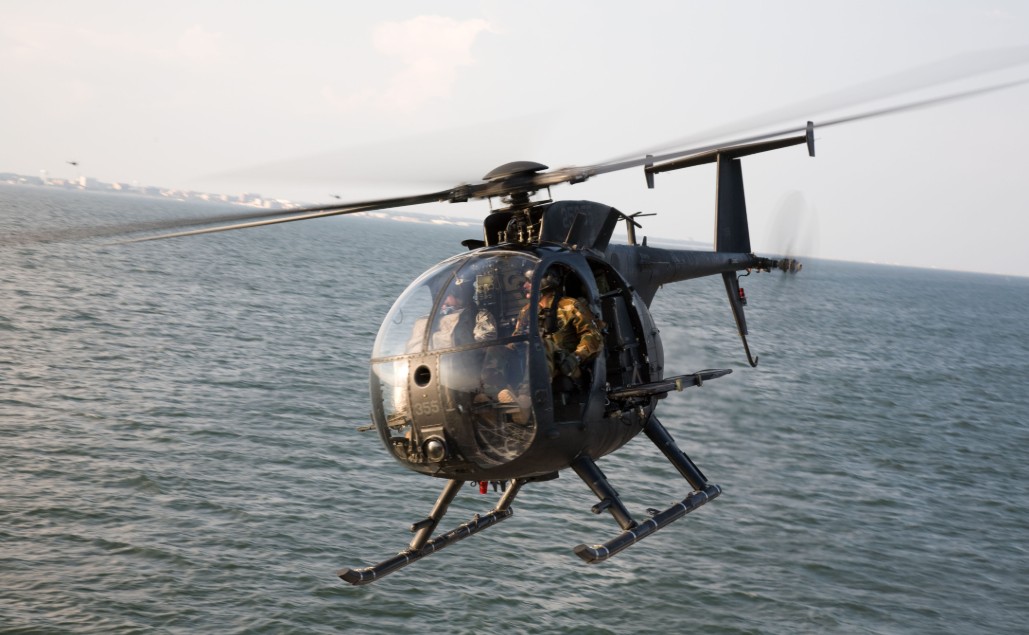
The MH-6 Little Bird is an iconic helicopter known for its agility and versatility, a critical element of United States Special Operations. This lightweight, highly maneuverable aircraft has carved a niche for itself in military aviation history, especially for operations requiring precision and stealth.
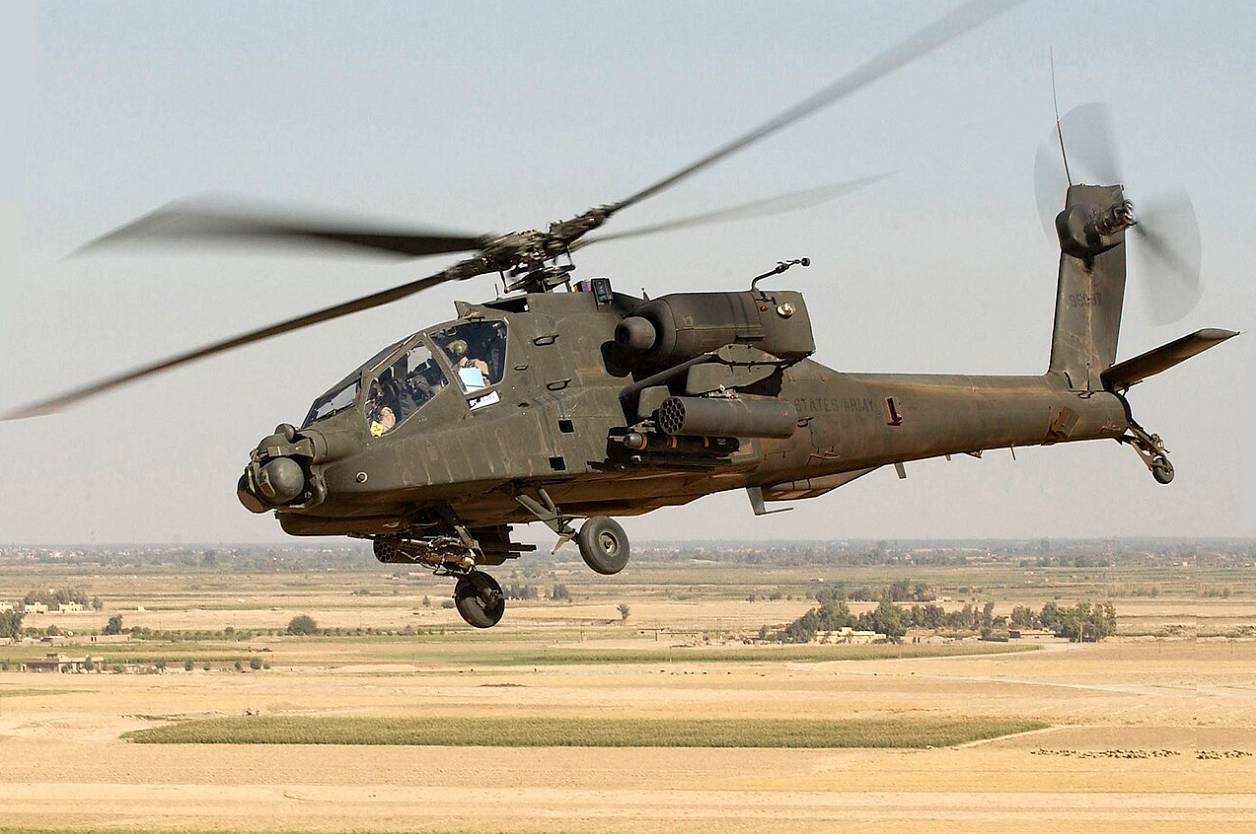
Design and Capabilities
The MH-6, developed by Boeing and originally manufactured by Hughes Helicopters, is a militarized variant of the civilian MD 500 helicopter series. It is known for its compact size and ability to operate in confined spaces where larger helicopters would falter.
Key features of the MH-6 include:
- Single engine design for ease of maintenance and reliability.
- A flexible cabin configuration that can quickly adapt to various mission requirements, whether transporting personnel, cargo, or specific equipment.
- Lightweight airframe enabling air transport capabilities by larger cargo planes for rapid deployment.
One of the most distinguishing aspects of the MH-6 is its “egg-beater” shape, allowing it to hover, pivot, and navigate through tight urban environments and rugged terrain.
Role in Special Operations
The MH-6 Little Bird is crucial in special operations due to its versatility. It can insert and extract special forces in operations that require subtlety and speed. Deployed by the coveted 160th Special Operations Aviation Regiment (SOAR), the Little Bird serves alongside its armed version, the AH-6, providing cover and additional force.
For missions involving hostage rescues, reconnaissance, or rapid troop insertion, the MH-6 is unmatched. Its low-profile and nimble characteristics make it an asset in the kinds of tactical, high-risk missions special forces undertake.
Missions and Operational History
Originating in the Vietnam War era and influenced by lessons learned in combat, the MH-6 has been a staple in U.S. military engagements including:
- Operation Urgent Fury – 1983 invasion of Grenada.
- Operation Just Cause – 1989 intervention in Panama.
- Operation Gothic Serpent – 1993 mission in Somalia, famously depicted in the film Black Hawk Down.
Its contributions extend to the conflicts in the Middle East, being a vital component in both Operation Enduring Freedom and Operation Iraqi Freedom.
Technical Specifications
The MH-6 is tailored for efficiency and impact. Below is a table highlighting some of its technical specifications:
| Specification | Details |
|---|---|
| Engine | Allison 250-C30 turboshaft |
| Max Takeoff Weight | 4,100 lb (1,860 kg) |
| Crew | 2 pilots, capacity for 6 passengers |
| Range | 232 nautical miles (267 miles, 429 km) |
| Max Speed | 152 knots (175 mph, 282 km/h) |
Training and Development
Operating the MH-6 requires rigorous training, given its deployment in some of the most precarious environments. The 160th SOAR, known as the “Night Stalkers,” is renowned for their expertise in this aircraft, undergoing demanding training to maximize the aircraft’s capabilities.
The training programs encompass night flying, quick-reaction drills, and in-mission adaptability exercises, ensuring pilots and ground crew are prepared for any conceivable scenario.
Future Prospects
Despite the debut of newer technologies, the MH-6 continues to fulfill essential roles due to its adaptable nature and the strategic advantage it bestows upon special operations units. Upgrades and modernizations have kept this agile bird in the air and relevant in the evolving landscape of modern warfare.
Innovations in avionics, flight control systems, and structural improvements have extended its operational life and enhanced safety features, ensuring it remains a worthy adversary in complex and diverse battlefield conditions.
The partnership between technology and tradition embodied in the MH-6 exemplifies how tried and tested platforms can continue to develop, serving security needs and evolving threats. The Little Bird remains an invaluable tool for special operational strategies to this day.