

A Legacy of Aircraft Innovation and Excellence
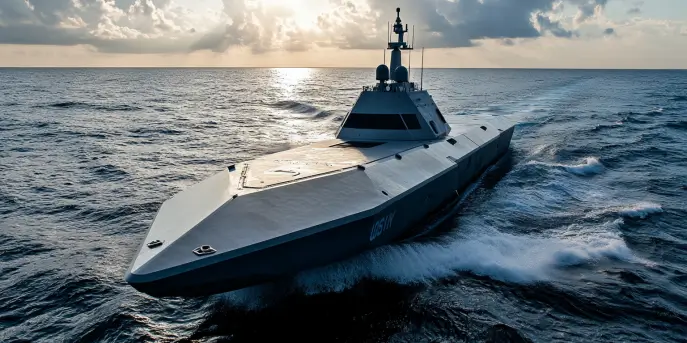
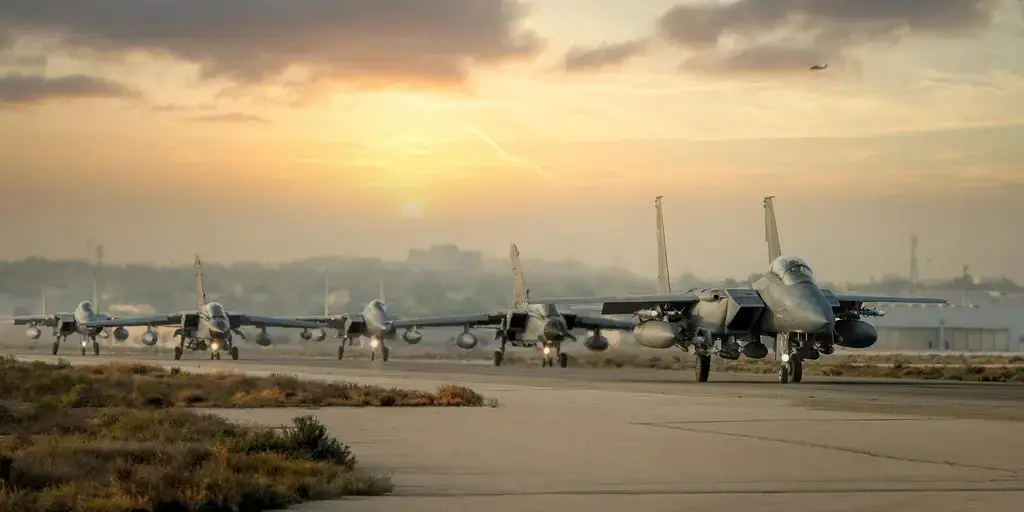
Israel, a nation renowned for its technological innovation and robust defense strategies, stands out particularly in the aerospace sector. The country’s aircraft, developed indigenously or modified from international models, have played vital roles in ensuring its defense capabilities and contributing to global aerospace technology.


The Origins of Israeli Aircraft Development
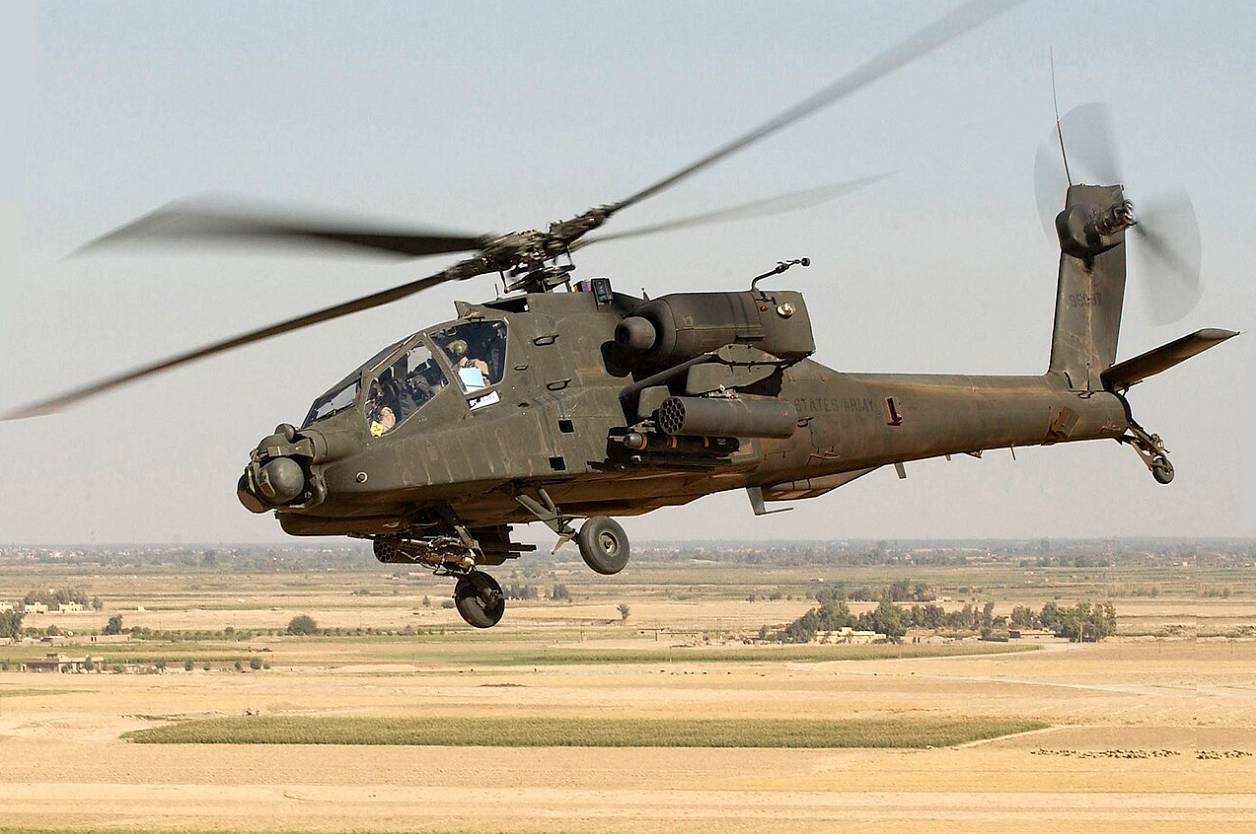
Following its establishment in 1948, Israel quickly realized the need for a strong air force to defend its sovereignty. In the early years, the Israeli Air Force (IAF) relied heavily on foreign aircraft, including models from the United States and France. Yet, the geopolitical realities soon necessitated the development of local capabilities, leading to the inception of Israel Aerospace Industries (IAI) in the 1950s, setting the stage for independent aerospace production.
Key Israeli Aircraft Models
- IAI Kfir: Derived from the French Dassault Mirage 5, the Kfir is an all-weather, multirole combat aircraft. Strengthened with Israeli-made electronics and a locally produced aerodynamic design, it symbolizes self-reliance in aircraft production.
- IAI Lavi: Although its development was halted, the Lavi project highlighted Israel’s prowess in fighter technology. Despite its cancellation, the technological advancements paved the way for future projects.
- IAI Heron: A hallmark of Israel’s growing drone technology capability, the Heron is a Medium Altitude Long Endurance (MALE) Unmanned Aerial Vehicle (UAV) used for reconnaissance and surveillance.
- Elbit Hermes 900: This UAV is crucial for extended reconnaissance missions and features advanced systems for intelligence gathering.
- IAI Eitan (Heron TP): Known for its endurance and operational range, the Eitan is used in various international operations and missions.
Table of Specifications: IAI Kfir
| Specification | Details |
|---|---|
| Role | Multirole Combat Aircraft |
| Length | 15.65 m (51 ft 4 in) |
| Wingspan | 8.22 m (27 ft) |
| Maximum Speed | 2,287 km/h (1,421 mph) |
| Engine | 1× General Electric J79-GE-J1E |
| Operational Range | 1,300 km (810 mi) |
Technological Innovations and Export Achievements
Israeli aircraft are oftentimes characterized by cutting-edge technologies. These include advanced avionics, electronic warfare systems, and the integration of sophisticated weapons systems. The unique combination of innovation and necessity has propelled Israeli aviation technology to being some of the most sought-after around the world.
Countries have sought Israeli designs not just for their innovative performance, but for the tactical flexibility they offer. Notable examples include the Kfir, which has been used by air forces in Colombia, Ecuador, and Sri Lanka. Such exports contribute significantly to Israel’s economy and its reputation in the global market.
Laying the Groundwork for Future Developments
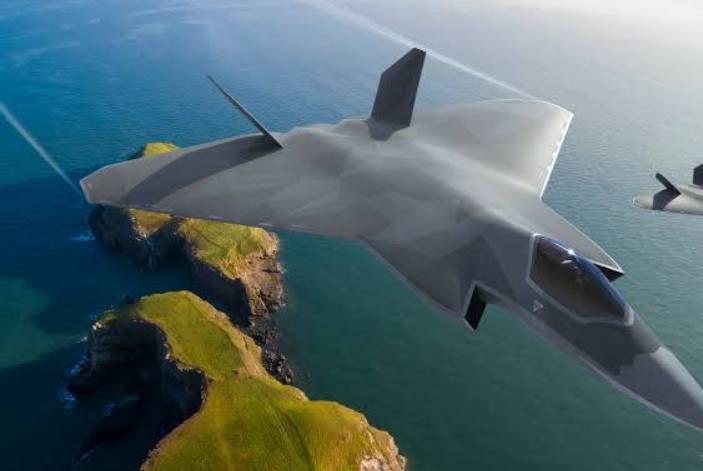
Looking ahead, Israel continues to invest in fields like UAVs, implementing AI for enhanced autonomous missions. The push for smaller, more agile drones is on the rise, reflecting strategic shifts in military tactics worldwide.
The successful pioneering in UAV technology anticipates even more breakthroughs; researchers and military strategists alike work symbiotically to respond to various challenges that arise on and off the battlefield.
The Role of Israeli Aerospace in Global Defense
While Israel’s advancements in aircraft technology primarily cater to its defense needs, they also play a part in shaping global defense ecosystems. Collaboration with superpowers like the United States, Europe, and rising nations contribute to collective security and peacekeeping efforts worldwide.
Through this synergy, Israeli aircraft models have been integrated into multinational defense exercises and operations, lending their advanced capabilities to joint international efforts.
Ultimately, the journey of Israeli aircraft development exemplifies the nation’s enduring commitment to security and innovation. Synthetic progress in aerospace technology not only fortifies national defense but extends its influence beyond borders, cultivating a foundation of global collaboration and advancement.