


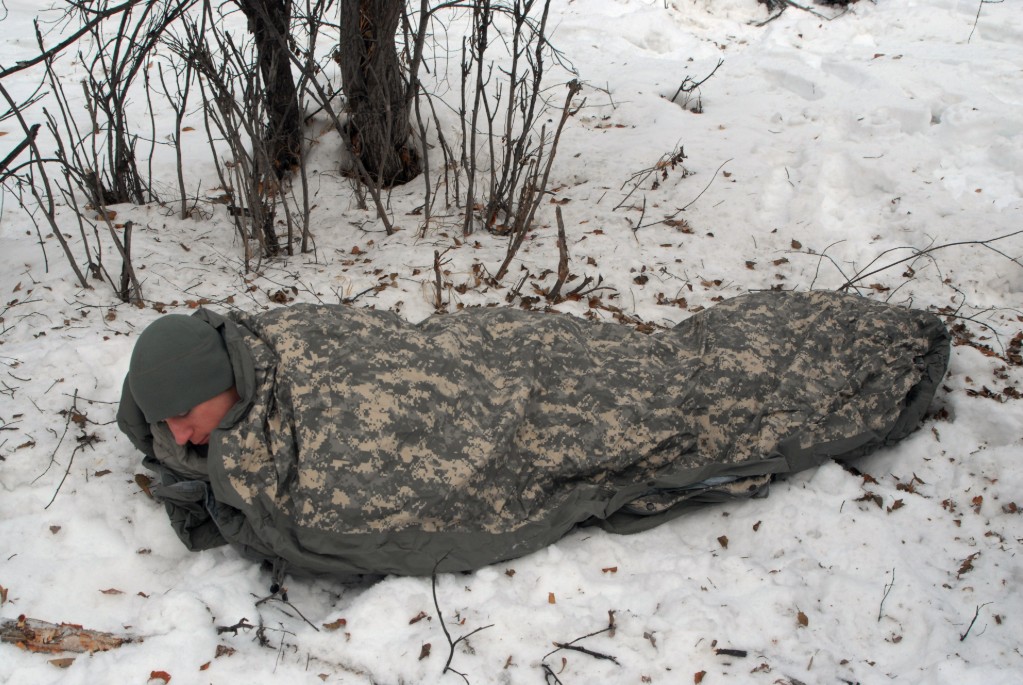
Have you ever tossed and turned in bed, unable to fall asleep despite feeling utterly exhausted? You are not alone. Sleep problems affect millions of people worldwide, leading them to search for the ultimate solution. One intriguing technique that has gained attention is the military method to fall asleep in just two minutes.


A Battle-Tested Approach
The military method, officially known as the “Relaxation Technique,” was developed by the U.S. military to ensure that soldiers could fall asleep quickly, even in the most stressful environments. It’s a part of what is termed “progressive muscle relaxation”, combined with a mental focus on a peaceful scene.
Step-by-Step Overview
- Relax Your Face: Begin by relaxing the muscles in your face, including your tongue, jaw, and around the eyes. Focus on letting every muscle go limp.
- Drop Your Shoulders: Let go of any tension in your shoulders by dropping them as low as you can. Then, relax your upper and lower arms on one side, and then the other.
- Breathe Out and Relax Your Chest: Exhale deeply, releasing any tightness in your chest.
- Relax Your Legs: Begin with your thighs and let the relaxation travel down to your calves and feet.
- Clear Your Mind: Once your body is in a relaxed state, focus on clearing your mind for ten seconds. Imagine a peaceful scene like lying in a canoe on a calm lake with a clear blue sky. If you’re distracted, repeatedly say the words “don’t think, don’t think” for about ten seconds.
Why It Works
This technique serves a dual purpose. Physically relaxing the muscles helps release tension accumulated during the day. Mentally, the visualization focuses your mind away from stressful thoughts and encourages tranquility. Temporarily shifting the focus helps the autonomic nervous system calm down, creating conducive conditions for sleep.
The Science Behind It
Cognitive scientists have long understood that calming the mind and body is crucial for initiating sleep. The military method leverages the body’s natural relaxation responses, aided by breathing techniques and visualization, both shown to reduce physiological arousal and lower heart rates, making falling asleep more achievable.
Even though the technique promises sleep in two minutes, it’s important to note that it might take longer for beginners or those with high levels of anxiety or persistent sleep issues. Consistent practice is key to mastering and optimizing the technique.
The Importance of Sleep Discipline
Incorporating the military method into a broader sleep routine can amplify its effectiveness. Here are a few complementary tips:
- Maintain a Regular Sleep Schedule: Try to go to bed and wake up at the same time every day, even on weekends.
- Create a Restful Environment: Ensure your bedroom is conducive to sleep; consider comfortable pillows, and blackout curtains, and eliminate noise with earplugs if necessary.
- Limit Screen Time Before Bed: The blue light emitted by phones and laptops can interfere with your body’s natural melatonin production.
- Avoid Stimulants: Reduce consumption of caffeine and nicotine in the hours leading up to bedtime.
Adapting the Technique to Your Needs
Like any skill, the military method requires practice and adjustments. Tailor it to suit your specific needs. Some find that repeating phrases or focusing on a different visualization enhances their method’s effectiveness. Remember, effectiveness varies based on the individual’s mental state, stress levels, and overall health.
You might also want to pair the method with mindfulness practices or deep breathing exercises that can help quiet a racing mind further. Techniques such as 4-7-8 breathing or meditation can be compelling preludes or complements to the military method.
Potential Challenges and Solutions
For some, the initial attempts to employ the military method might not yield immediate results. It’s crucial not to become disheartened.
- Consistency Over Perfection: Don’t aim for perfection on your first try. Ease into it and allow your body to adjust to the new routine.
- Address Underlying Stress: Sometimes, sleep techniques only work effectively when underlying stressors are managed. Look into stress management techniques that may need to accompany your sleep routine.
- Consult Professionals: If severe sleep issues persist, consider consulting a medical professional or sleep therapist who can offer personalized advice and treatments.
While the military method is not a panacea for all sleeping woes, it stands as a proven tool in the arsenal against insomnia, offering a structured way to relax and transition into sleep quickly. By understanding how to use and adapt this method, anyone can work towards achieving a more peaceful night’s rest.