

Designing the modern combat helmet as a connected platform
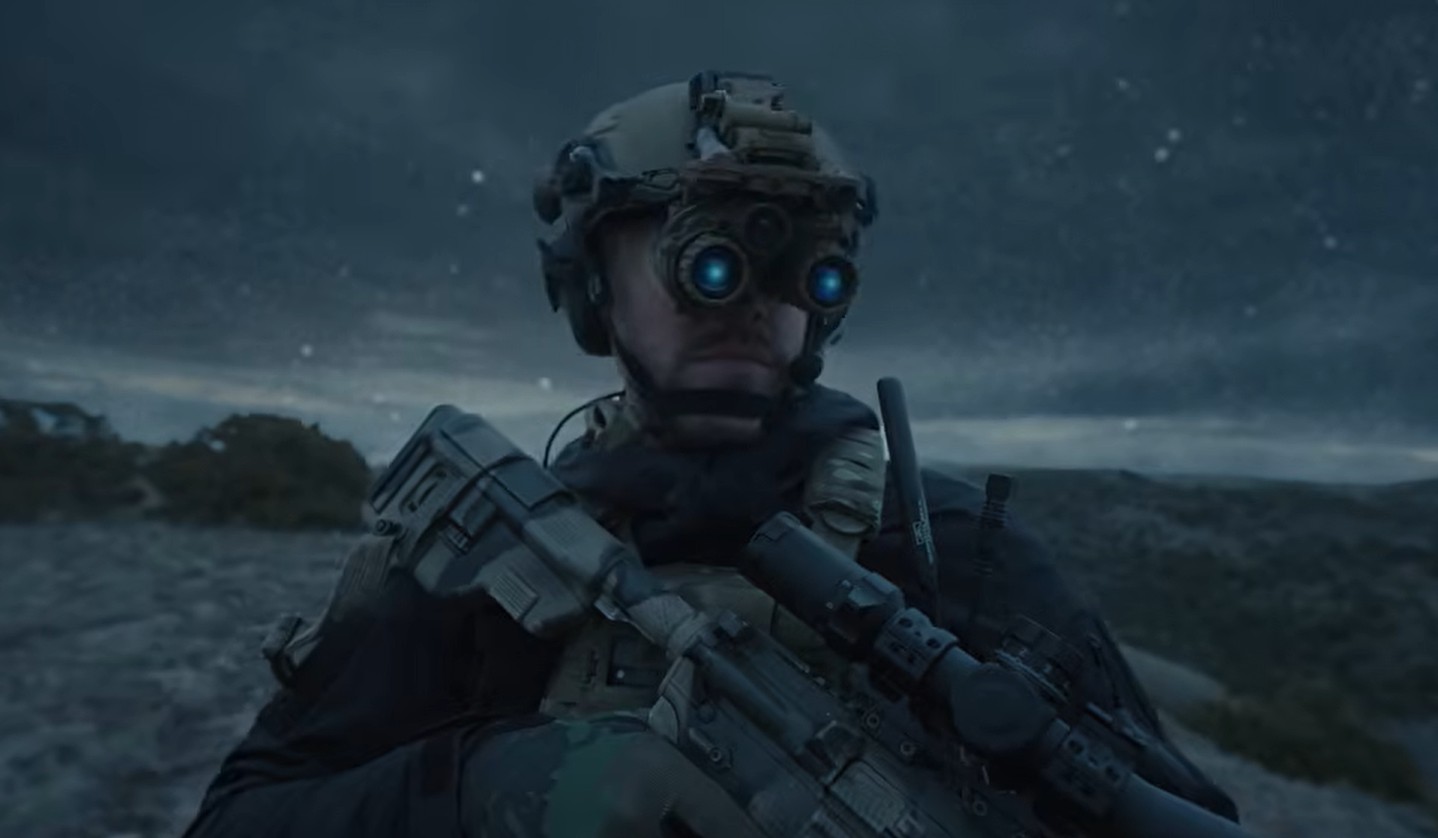
The battlefield has become increasingly digital, and head protection is now expected to do far more than absorb impact. The Galvion Cortex Evo represents this shift with a modular architecture built around power management, data integration, and mission adaptability. Rather than treating the helmet as a standalone protective shell, it is conceived as the central node of a soldier-worn system, capable of supporting communications, situational awareness, sensors, and future add-ons without turning the user into a tangled bundle of cables and separate batteries.
What makes this approach notable is the balance between protection, ergonomics, and electronics integration. Smart helmet systems often struggle because each added feature can create weight, heat, or complexity. Galvion’s design philosophy emphasizes distributed intelligence and modularity, giving commanders and end users the ability to tailor the helmet for patrol, training, vehicle operations, maritime work, or high-tempo combat tasks.
Why smart helmets are moving beyond simple accessory mounts
Traditional helmets are increasingly being asked to host vision devices, radios, sensors, hearing protection, and power sources. That can create a patchwork of aftermarket attachments that compete for space and strain the wearer’s neck. The Cortex Evo approach aims to reduce that fragmentation by providing a purpose-built architecture that anticipates electronic loads from the start.
In practical terms, this means a helmet can be configured to support integrated accessories while maintaining a cleaner profile. Cable routing becomes more deliberate, battery placement more efficient, and the overall user experience more stable under movement, recoil, or vehicle vibration. This matters because small ergonomic gains can translate into measurable reductions in fatigue over long missions.
Modular architecture built for mission scaling
The Cortex Evo concept is centered on adaptability. A basic configuration can remain light and streamlined, while more advanced setups can be layered in as mission requirements change. That flexibility is important for militaries and special operations units that may need a common helmet platform across multiple roles.
Rather than forcing every user into the same configuration, the architecture supports a spectrum of equipment levels. A dismounted infantry soldier may need integrated comms, night-vision support, and power distribution. A vehicle crew member may prioritize low-profile protection and hearing compatibility. A trainer may need simpler equipment with easy maintenance. The value of a modular helmet architecture is that all of these users can share the same base platform while customizing the electronics package.
Power management as the hidden core
One of the defining features of any smart helmet is not the visible hardware, but the invisible power architecture behind it. The Cortex Evo is designed around the idea that mounted devices should not rely on a chaotic collection of independent power sources. Instead, power can be distributed more intelligently to accessories and sensors, helping reduce clutter and simplify the user’s battery burden.
This matters because power logistics are one of the most overlooked constraints in wearable battlefield tech. Every additional battery adds weight, replacement cycles, charging demands, and failure points. A more unified power strategy can improve endurance and reduce the risk of a critical device going dark at the wrong time. In a helmet system, good power design also helps with balance, since batteries can be positioned to minimize strain rather than simply attached wherever space is available.
Comfort, balance, and long-wear usability
Combat helmets are worn for hours, sometimes days, at a time. If a helmet is too front-heavy, if accessories pull unevenly, or if the suspension system creates pressure points, the user pays for it quickly. The Cortex Evo concept appears focused on improving the total wear experience by pairing smart integration with ergonomic discipline.
That includes attention to how electronics affect the helmet’s center of gravity. A helmet that carries optics and communication gear without proper load distribution can cause neck fatigue, reduce alertness, and make rapid head movement less natural. By treating the helmet as an integrated platform rather than a set of add-ons, the design can better preserve mobility and comfort under operational stress.
Interoperability with modern mission systems
Another major advantage of the smart helmet model is interoperability. As units increasingly use digital radios, heads-up displays, situational awareness tools, and sensor feeds, the headborne system becomes a critical interface point. The Cortex Evo architecture is built with this broader ecosystem in mind.
That means the helmet is not just a protective item, but a communications and data gateway. In future-proofed systems, helmets may help connect the user to mapping tools, team tracking, remote video, or threat alerts. Even when not all capabilities are deployed at once, a platform designed for interoperability gives organizations a better upgrade path as new technology matures.
Potential use cases across operational environments
The smart helmet category is especially useful because different environments demand different priorities. The same platform can be adapted for multiple operational contexts:
- Infantry operations: support for comms, eye protection, night-vision mounting, and battery distribution.
- Vehicle crews: compatibility with headsets and reduced bulk for confined spaces.
- Maritime and boarding teams: integration with wet-environment gear and streamlined accessory layouts.
- Training and force development: simplified configurations for repeat use and easy maintenance.
- Specialized units: room for mission-specific sensor packages and custom communications.
In each case, the same underlying logic applies: the helmet should help the operator stay lighter, better connected, and more efficient rather than burdened by separate systems.
Representative platform characteristics
Publicly available details can vary by configuration, but the Cortex Evo class of helmet system is generally associated with features such as modular accessory integration, power distribution support, and adaptable mission setup. The table below summarizes the kind of specifications and architectural elements commonly associated with this platform approach.
| Specification | Representative capability |
|---|---|
| Platform type | Smart combat helmet architecture |
| Design focus | Integrated power, communications, and accessory management |
| Modularity | Mission-scalable configuration options |
| Accessory support | Comms, lighting, sensors, and mounted mission equipment |
| Ergonomics | Weight distribution and long-wear comfort emphasis |
| Interoperability | Designed for connected soldier systems |
| Primary benefit | Reduced clutter and improved operational adaptability |
The broader shift in soldier-worn technology
The significance of the Cortex Evo lies not only in the product itself, but in what it signals about the future of soldier systems. Military hardware is moving away from isolated devices and toward integrated ecosystems. In that environment, the helmet becomes one of the most valuable real estate zones on the body. It already occupies a central position, and it naturally supports line-of-sight tools, communications, and power routing.
This shift also reflects a broader procurement logic. Defense organizations are increasingly looking for platforms that can evolve over time instead of being replaced every time a new accessory arrives. A modular smart helmet can remain relevant longer if its architecture allows for incremental upgrades. That can help lower lifecycle costs while improving operational readiness.
What users and procurement teams will care about most
For end users, the key questions are straightforward: Is the helmet comfortable? Does it stay balanced? Can it support the gear I need without creating extra friction? For procurement teams, the questions expand to include maintainability, interoperability, training burden, and long-term upgrade potential.
The Cortex Evo’s architecture is compelling because it addresses both sets of concerns at once. Users want something wearable and unobtrusive. Program managers want something scalable and supportable. A smart combat helmet platform succeeds only when it can satisfy both realities. That is why the blend of ergonomics, power management, and modularity is so central to its appeal.
Why this architecture matters now
As combat environments become more sensor-rich and communications-heavy, the soldier’s helmet is no longer just personal protective equipment. It is becoming a digital foundation layer. The Galvion Cortex Evo sits squarely in that trend, offering an architecture that can support the next generation of connected warfare tools without overwhelming the user.
Its importance lies in the shift from accessory-driven design to system-driven design. By treating the helmet as a structured platform for power and mission data, the architecture helps bridge the gap between protection and connectivity. In a future where every gram, watt, and cable matters, that kind of integration is more than a convenience. It is a capability multiplier.
For defense users evaluating future headborne systems, the Cortex Evo demonstrates how the next generation of combat helmets may be judged: not only by how well they protect, but by how effectively they connect, distribute power, and adapt to the mission at hand.